Saxophone Quartets
(and larger Saxophone Ensembles)



   
|
|
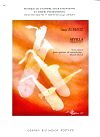
S208: Sevilla by Isaac Albeniz arranged for saxophone quartet (SATB) by Marcel Mule. Billaudot, 1978, SS, (includes score and parts). This familiar piece (originally for piano) is a lot of fun. Early college level. |
16.95

|
|
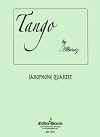
S987: Tango by Isaac Albeniz arranged for saxophone quartet (SATB) by Bela Kovacs. EditionDarok, 2013, SS, (includes score and parts). A popular slow tango which Kovacs has also arranged for clarinet quintet. With a duration of 2 minutes this is suitable for high school quartets and up. (Except other items with free shipping.) |
15.95
|
|
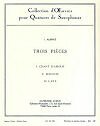
S209: Trois Pièces (Three Pieces) by Isaac Albeniz arranged for saxophone quartet (SATB) by Marcel Mule. Leduc, 1922, SS, (includes score and parts). Three pieces by Spanish composer Albeniz (1860-1909) that can be enjoyed by quartets from advanced high school to professional. The pieces are 1. Chant d'Amour (Allegretto), II. Berceuse (Andante), and III. L'Été (Allegro). |
37.35
|
|
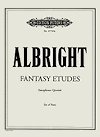
S1070: Fantasy Etudes for Saxophone Quartet (SATB) by William Albright. Edition Peters, 1995, SS, parts only. Fantasy Études was written with the virtuoso solo and chamber music abilities of the PRISM Saxophone Quartet in mind. This is an unusual piece with many of the movements intentionally conceived “against type,” that is, inspired by sounds not usually associated with the saxophone, or, at least, the “polite” saxophone. American jazz, is a constant presence. The six etudes are: 1. A Real Nice Number, 2. Pypes, 3. The Fives for Steve, 4. Phantom Galop, 5. Harmonium (Heiliger Dankgesang), and 6. They only come out at night. This is an advanced work with a duration of about 30 minutes. There are many recordings of the movements of this piece on YouTube (and it least one that says it is from this piece and isn't). Here is a recording of movement 6. We can also order the score. |
40.50
|
|
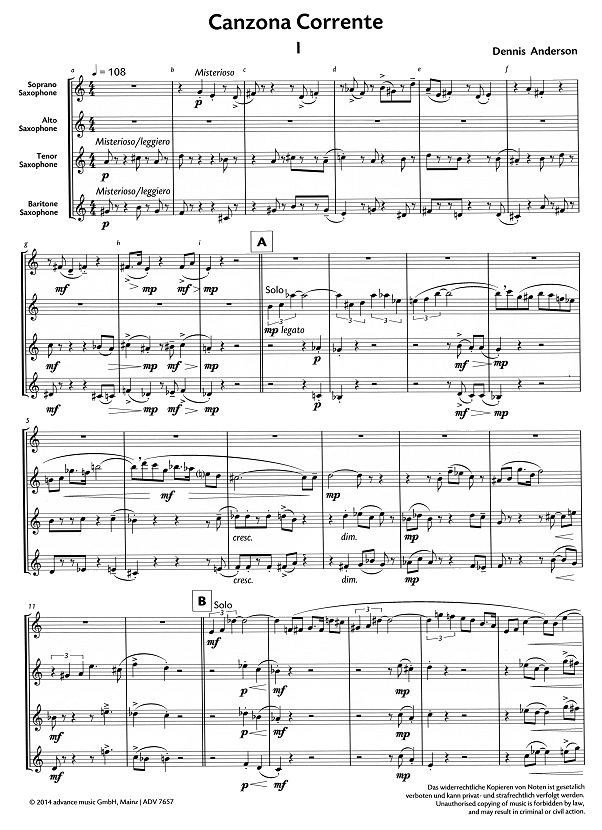
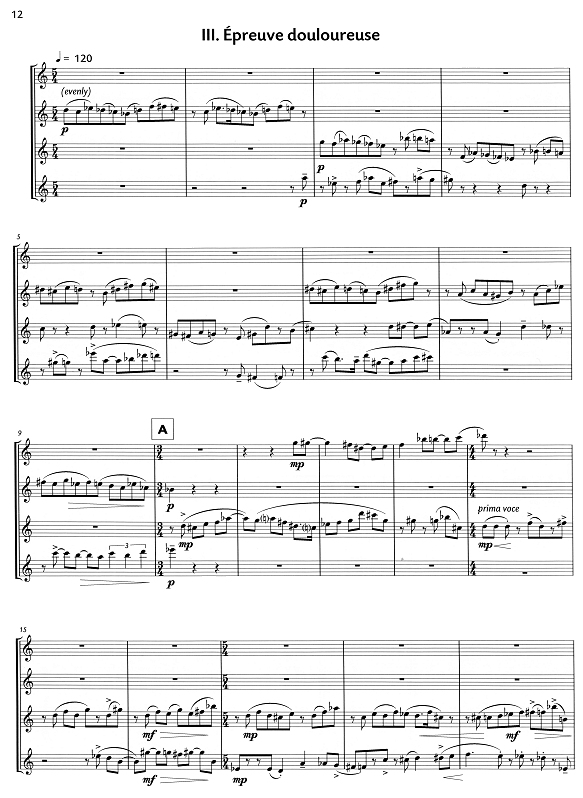
S1108: Canzona Corrente for Saxophone Quartet (SATB) by Dennis C. Anderson. Advance Music, 2014, SS, (includes score and parts). Inspired by John Williams’ brilliant film score for Catch Me If You Can (2002), this highly creative original features three contrasting movements that can be performed as a complete work or programmed separately. Each movement has a recurring theme, often modified with augmentation, agogic accents, jazz-influenced solos, meter changes, and improvised solo cadenzas. Overall it’s richly scored, technically demanding (college level), and yet completely accessible. Click on the cover image to view the first page of the score. |
24.95
|
|
S1114: Elégie à nos mères for Saxophone Quartet (SATB) by Dennis C. Anderson. Advance Music, 2014, SS, (includes score and parts). Written in tribute to all mothers, but especially the composer’s mother Florilyn, who died at the age of 90 in 2008, each of the four movements in this suite may be performed independently of the others with excellent results. Movement 1 is a plaintive waltz with lush romantic harmonies. Movement 2 is a comedic interpolation featuring portions of two etudes by Muzio Clementi and the “tick-tick” sound of the typewriter. Conflict, reconciliation, resolution, and acceptance is the conveyed essence of Movement 3. With a reverent duet introduction, the final movement commemorates the end of Florilyn’s long life. Click on the cover image to view a sample page from the score. |
19.95
|
|
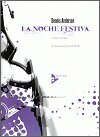
S862: La Noche Festiva, I. Preludio for Saxophone Quartet (SATB) by Dennis Anderson. Advance Music, 2010, SS, (includes score and parts). This is the first of a five movement suite for saxophone quartet which may be performed separately or together. The beginning of this movement opens with a soprano saxophone solo and a pronounced dissonance and polytonality before developing into a fugue statement that resolves with excitement and vigor. This is an opening bravura statement of what is to follow. Click on the cover image to view the first page of the score.
(Except other items with free shipping.) |
5.95
|
|
S721: La Noche Festiva, II. Tango del amor for Saxophone Quartet (SATB) by Dennis Anderson. Advance Music, 2010, SS, (includes score and parts). The second of a five movement suite for saxophone quartet. This slow tango (con laguida) has an authentic rhythmic feel with lilting melodies, rich harmonies, and intriguing chordal structures. The tenor saxophone has an improvised solo (from chord changes) in the middle of the piece. Click on the cover image to view the first page of the score. |
15.95
|
|
S849: La Noche Festiva, III. Balada rómantica for Saxophone Quartet (SATB) by Dennis Anderson. Advance Music, 2010, SS, (includes score and parts). The third of a five movement suite for saxophone quartet. This ballad, replete with luscious harmonies and singing melodic lines, stars alto and soprano saxophones telling the story of a romantic interlude. The music weaves, twists, turns and jumps, culminating in a rewarding resolution. Click on the cover image to view the first page of the score. |
15.95
|
|
S738: La Noche Festiva, IV. Vals cómico for Saxophone Quartet (SATB) by Dennis Anderson. Advance Music, 2011, SS, (includes score and parts). The fourth of a five movement suite for saxophone quartet. This movement is a quirky, fun-loving waltz with musical phrases seemingly misplaced, but intentional. Click on the cover image to view the first page of the score. |
15.95
|
|
S831: La Noche Festiva, V. Final enégico for Saxophone Quartet (SATB) by Dennis Anderson. Advance Music, 2011, SS, (includes score and parts). The last movement of a five movement suite for saxophone quartet. This movement is a samba, one of the most expressive of all Latin dance forms, and represents the end of a festive evening. Although the movement begins and ends in compound 3/2 meter, it swings and sways, employing complex and contrapuntal harmonies, rhythms, and percussive accents. The baritone sax provides a soloistic bass line throughout. Click on the cover image to view the first page of the score. |
15.95
|
|
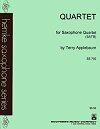
S498: Quartet for Saxophone Quartet (SATB) by Terry Applebaum. Southern Music Co. 1968, SS, (includes score and parts). This is a sectional piece (fast/slow/fast) with some meter changes. The publisher rates this at (US) grade 4 (and it is). |
6.50
|
|
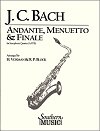
S494: Andante, Menuetto and Finale by J.C. Bach arranged for saxophone quartet (AATB) by Himie Voxman and Robert P. Block. Southern Music Co. 1985, SS, (includes score and parts). Three movements. The publisher rates this at (US) grade 3. |
13.95
|
|
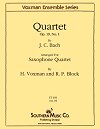
S499: Quartet Op. 19, No. 1 by J.C. Bach arranged for saxophone quartet (AATB) by Himie Voxman and Robert P. Block. Southern Music Co. 1991, SS, (includes score and parts). One movement: Allegro. The publisher rates this at (US) grade 3. |
11.95
|
|
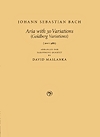
S962: Aria with 30 Variations (Goldberg Variations) (BWV 988) by Johann Sebastian Bach arranged for Saxophone Quartet (SATB) by David Maslanka. Maslanka Press, 2012, SB/SS, includes parts and score. Published in 1741, this piece was originally for harpsichord and is considered one of the most important examples of variations. This is a substantial work. The score is 92 pages and the soprano saxophone part is 31 pages. Because of the weight of this music, Media Mail shipping charges will be based on the actual cost of postage. |
138.95
|
|
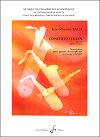
S943: Concerto Italien (BWV 971) by Johann Sebastian Bach arranged for Saxophone Quartet (SATB) by Katsuki Tochio. Billaudot, 1997, SS, includes parts and score. Published in 1735, this popular piece was originally for two-manual harpsichord (this music says piano). In three movements: 1. Without tempo indication, 2. Andante, and 3. Presto. While the soprano has the most difficult part overall, the tenor has the leading role in much of the second movement. College level with a duration of about 13 minutes. Here are video performance by three saxophone quartets: first, second, and third movements. |
33.95
|
|
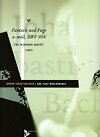
S569: Fantasie and Fuge in A minor (BWV 904) by Johann Sebastian Bach arranged for Saxophone Quartet (SATB) by Olaf Mühlenhardt. Advance Music, 2009, SS, includes parts and score. Probably composed around 1725, this two movement work was probably performed on organ and well as keyboard. It is a particularly fine example of the craftsmanship of J.S. Bach. Advanced high school and up. |
18.95
|
|
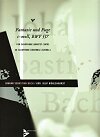
S601: Fantasie and Fuge in C minor (BWV 537) by Johann Sebastian Bach arranged for Saxophone Quartet (SATB) or Ensemble (SATBBs) by Olaf Mühlenhardt. Advance Music, 2009, SS, includes parts and score. Written for organ, the original date of composition is unkown with the only know source a copy from one of Bach's students in 1751. Advanced high school and up. |
23.95
|
|
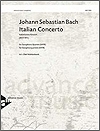
S1028: Italian Concerto (BWV 971) by Johann Sebastian Bach arranged for Saxophone Quartet (SATB) by Olaf Mühlenhardt. Advance Music, 2013, SS, includes parts and score. This piece was written for keyboard during the period 1731-1741. It is in three movements: I. (no tempo marking), II. Andante, and III. Presto. College level. Click here to view sample pages from the score on the publisher's website. Overstock special! The regular price is $29.95. |
21.95
|
|
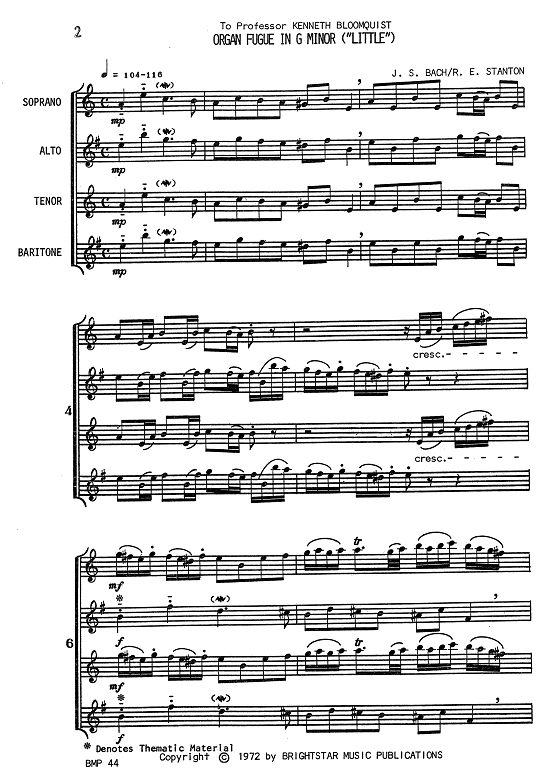
S1163: The Little Organ Fugue in G Minor by Johann Sebastian Bach arranged for Saxophone Quartet (SATB) by Robert Stanton. Western International Music, 1972, SS, includes parts and score. A very familiar piece. This arrangement is on the festival lists for Indiana, Ohio, Texas and Virginia. Click on the cover image to view the first page of the score. |
14.95
|
|
S497: Prelude and Fugue No. 6 by Johann Sebastian Bach arranged for saxophone quartet (AATB or SATB) by Stephen A. Anthenien. Southern Music Co. 1979, SS, (includes score and parts). Two movements. The publisher rates this at (US) grade 4 (it is certainly on the easier side of this grade). | |
|
S581: Three Bach Chorales by Johann Sebastian Bach arranged for Saxophone Quartet (AATB) by Nicholas J. Contorno. Kendor Music Inc, 2010, SS, includes parts and score. The chorales are Gott Lebet Noch (BWV) 320, Jesu Joy of Man's Desiring (BWV 147), and Jesu Non Sei Gepreiset (BWV 362). The publisher rates this as (US) grade 3 and the first and last chorales are easy. However, the arranger has put his own twist on the familiar Jesu, Joy of Man's Desiring by setting the tempo at Ala Irish Jig (mm=92-100) and using a time signature of 6/8 switching to 3/4 at the end of phrases. |
12.50
|
|
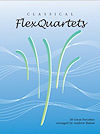
G322: Classical FlexQuartets for B-flat Instruments arranged by Andrew Balent. Kendor Music, 2018, SS, 20 pages in score format. For any combination of four B-flat instruments or may be used with other books in this series for instruments in other keys. These are grade 3 arrangements which contain well-known classical melodies. Contents: Can Can(Offenbach), French Song (Tschaikowsky), German Dance (Mozart), The Happy Farmer (Schumann), Minuet (Bach), Rosamunde (Schubert), Slavonic Dance (Dvorak), Surprise Symphony (Haydn), Trumpet Voluntary (Clarke), and Turkish March (Beethoven). Click on the cover image to view pages from the score. |
11.95
|
|
|
G322: Classical FlexQuartets for E-flat Instruments arranged by Andrew Balent. Kendor Music, 2018, SS, 20 pages in score format. For any combination of four E-flat instruments or may be used with other books in this series for instruments in other keys. These are grade 3 arrangements which contain well-known classical melodies. Contents: Can Can(Offenbach), French Song (Tschaikowsky), German Dance (Mozart), The Happy Farmer (Schumann), Minuet (Bach), Rosamunde (Schubert), Slavonic Dance (Dvorak), Surprise Symphony (Haydn), Trumpet Voluntary (Clarke), and Turkish March (Beethoven). Click on the cover image to view pages from the score. |
11.95
|
|
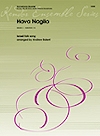
S1063: Hava Nagila for Saxophone Quartet (AATB) arranged by Andrew Balent. Kendor Music Inc., 2014, includes parts and score. This is an easy arrangement (US grade 3) of the popular Israeli folk song. Click on the cover image to view the first two pages of the score. |
11.95
|
|
S866: Adagio arranged for Saxophone Quartet (SATB) by Samuel Barber arranged by Michael Warner. G. Schirmer, 1937/1997, SS, (includes score and parts). The familiar Barber Adagio arranged for saxophone quartet. In 4/2 (with 6/2, 5/2, and 3/2 measures) at Molto adagio (half note = 48). High school quartets and up. |
22.95
|
|
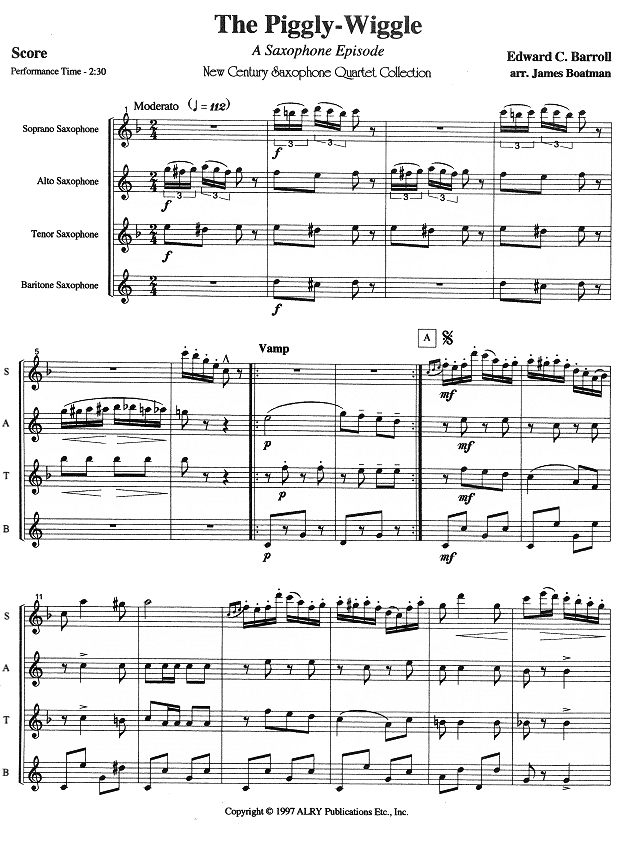
S911: The Piggly-Wiggle, A Saxophone Episode by Edward C. Barroll arranged for saxophone quartet (S/AATB) by James Boatman. Alry Publications, 1997, SS, (includes score and parts). Edward C. Barroll (1881-1933) was an American from Missouri who worked in advertising and played and composed for the saxophone. This work is believed to have been first published for saxophone and piano in 1922. It was made popular by the Vaudeville musical act “The Six Brown Brothers.” This rag is a favorite encore of the New Century Saxophone Quartet. Most of the difficulty is in the first part. Click on the cover image to view the first page of the score. (Except other items with free shipping.) |
19.95
|
|
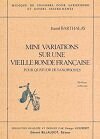
S212: Mini Variations sur une Vielle Ronde Française for Saxophone Quartet (SATB) by Raoul Barthalay. Billaudot, 1983, (includes score and parts). A quick (2:15) set of variations on a French round. The soprano has most of the melody but the others saxes all have short solos. Upper intermediate level but fun for more advanced quartets as well. |
9.50
|

|
 S1234: Romanian Christmas Carols (Rumänische Weihnachtslieder) by Bela Bartok arranged for saxophone quartet (SATB) by Andreas van Zoelen. Universal Edition, 2016, SS, (includes score and parts). Something different for your saxophone quartet at Christmas time. Bartok took great pleasure in transcribing the folk music of Hungary, including his two series of Romanian Christmas Carols. Twenty little tunes from various towns and villages were compiled into two sets, originally for piano solo. The phenomenal saxophonist Andreas van Zoelen (a current member of the Rascher Quartet) has transcribed the first series for Saxophone Quartet (SATB). The shifting rhythms and melodic variety are suitable for more advanced ensembles. Click on the cover image to view the first page of the score. S1234: Romanian Christmas Carols (Rumänische Weihnachtslieder) by Bela Bartok arranged for saxophone quartet (SATB) by Andreas van Zoelen. Universal Edition, 2016, SS, (includes score and parts). Something different for your saxophone quartet at Christmas time. Bartok took great pleasure in transcribing the folk music of Hungary, including his two series of Romanian Christmas Carols. Twenty little tunes from various towns and villages were compiled into two sets, originally for piano solo. The phenomenal saxophonist Andreas van Zoelen (a current member of the Rascher Quartet) has transcribed the first series for Saxophone Quartet (SATB). The shifting rhythms and melodic variety are suitable for more advanced ensembles. Click on the cover image to view the first page of the score. |
33.50
|
|
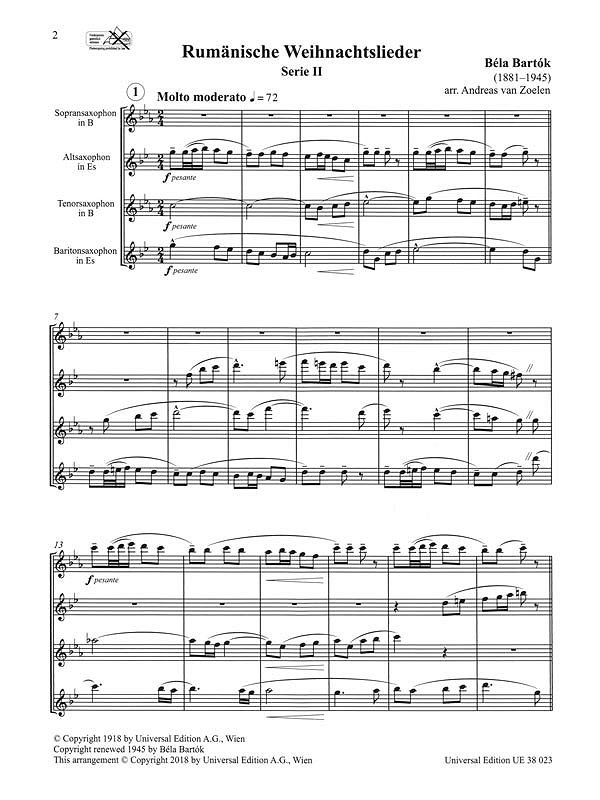
 S1304: Romanian Christmas Carols (Rumänische Weihnachtslieder) Series II by Bela Bartok arranged for saxophone quartet (SATB) by Andreas van Zoelen. Universal Edition, 2018, SS, (includes score and parts). Something quite a bit different from the usual Christmas program fare, Bartok's collection of Romanian Christmas Carols springs from his lifelong fascination with folk music of the region. Bartok arranged several of these folk songs for the Christmas season into his original piano solos, and van Zoelen has faithfully transcribed them for saxophone quartet. Series II presents ten folks tunes performed as a seamless whole. This edition could probably be played by better high school quartets. Click on the cover image to view the first page of the score. S1304: Romanian Christmas Carols (Rumänische Weihnachtslieder) Series II by Bela Bartok arranged for saxophone quartet (SATB) by Andreas van Zoelen. Universal Edition, 2018, SS, (includes score and parts). Something quite a bit different from the usual Christmas program fare, Bartok's collection of Romanian Christmas Carols springs from his lifelong fascination with folk music of the region. Bartok arranged several of these folk songs for the Christmas season into his original piano solos, and van Zoelen has faithfully transcribed them for saxophone quartet. Series II presents ten folks tunes performed as a seamless whole. This edition could probably be played by better high school quartets. Click on the cover image to view the first page of the score. |
33.50
|
|
S550: Six Bagatelles by Bela Bartok arranged for saxophone quartet (SATB) by William Schmidt. Western International Music, 1982, SS, (includes score and parts). The bagatelles are: 1. Molto sostenuto, 2. Allegro giocoso, 3. Grave, 4. Allegretto molto rubato, 5. Lento, and 6. Allegro. Difficulty levels range from intermediate to advanced-intermediate. The publisher rates this at (US) grade 5. |
19.95
|
|
S502: Three Folk Dances by Bela Bartok arranged for saxophone quartet (AATB) by Phillip Gordon. Southern Music Co. 1972, SS, (includes score and parts). The dances are: I. Allegro non troppo, II. Andante, and III. Allegro giocoso. The publisher rates this at (US) grade 3. |
22.95
|
|
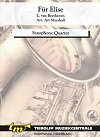
S625: Für Elise by Ludwig van Beethoven arranged for saxophone quartet (SATB) by Art Marshall. Tierolff Muziekcentrale, 1988, SS, includes parts and score. It is possible that Marshall's arrangement was inspired by Dave Brubeck as this piece begins and ends in 5/4. Check the score for tempo and other markings that didn't make it to the parts. Early college level due to the 5/4 time signature. (Except other items with free shipping.) |
89.95
|
|
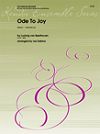
S1095: Ode to Joy for Saxophone Quartet (AATB) by Ludwig van Beethoven arranged by Les Sabina. Kendor Music Inc., 2014, includes parts and score. In this new arrangement of Ludwig van Beethoven’s classic theme, the lead melodic line is carried by every member of the quartet at one time or another, enhanced by a variety of creative accompaniment figures. Paying careful attention to articulations and dynamic changes will be especially important here for best performance results. High school level with a duration 2:45. Click on the cover image to view the first two pages of the score. |
11.95
|
|
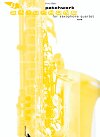
S698: Patchwork for saxophone quartet (AATB) by Arno Behl. Advance Music, 2008, SS, includes parts and score. Arno Behl (1952-) is a Germany musician, composer and music educator. This piece, in a medium swing tempo, will be excellent for better high school quartets. Click on the cover to see a .pdf of the first page of the score. Click on your browser's Back button to return. |
15.95
|
|
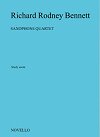
S307: Saxophone Quartet (Parts) by Richard Rodney Bennett. Novello, 2003, SS. This work was commisioned by the Apollo Saxophone Quartet which gave the first performance in 1994. In three movements: 1. Vivo, 2. Andante lento, 3. Molto allegro. College level with a duration of 14:30. For SATB quartet. S306: Saxophone Quartet (Score) by Richard Rodney Bennett. Novello, 2003, SS, 47 pages. |
Parts
31.95
Score
25.95
|
|
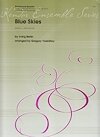
S533: Blue Skies by Irving Berlin arranged for Saxophone Quartet (SATB or AATB) by Gregory Yasinitsky. Kendor Music, 2002. Blue Skies was written in 1926 and was the first song performed by Al Jolson in the first feature sound film "The Jazz Singer." The publisher rates this as (US) grade 4. |
11.95
|
|
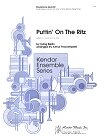
S525: Puttin' On the Ritz by Irving Berlin arranged for Saxophone Quartet (SATB) by Arthur Frackenpohl. Kendor Music Inc., 2003, includes parts and score. This popular song by Irving Berlin was written in 1929 and was featured in a 1930 movie of the same name. The publisher rates is as (US) grade 4 although it may be a little easier. |
12.50
|
|
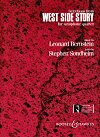
S320: Selections from West Side Story for Saxophone Quartet (SATB) by Leonard Bernstein arranged by James Boatman. Boosey & Hawkes, 1957/2000, SS, (includes parts, score and optional percussion part). Includes: I Feel Pretty, Scherzo, Somewhere, Balcony Scene, Cha-cha, Jump, One Hand One Heart, and Gee Officer Krupke. Five of the eight pieces have a percussion part which calls for (one player) drum kit, latin percussion instruments, mallet instruments and timpani. |
59.95
|

|
S1286: Quartett for 4 Saxophones by Christian Biegai. Ries & Erler, 2017, SS, includes parts and score. Christian Biegai (1974-) is a German saxophonist, composer and sound designer who has studied in Germany, the UK and the US. This three movement quartet has bit of a change from the normal instrumentation. In the first movement the tenor player plays soprano. There is some high altissimo in the alto sax part. The three movements are I. Leicht (mm=92), II. Melancholisch (mm=48), and III. Lebhaft (mm=132). An advanced work. Click on the cover image to view the first page of the score. |
29.95
|
|
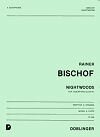
S269: Nightwoods for Saxophone Quartet (SATB) by Rainer Bischof. Doblinger, 1988, (includes score and parts). Rainer Bischof (1947-) is an Austrian composer who has studied law, philosophy, and art history in addition to composition and has held positions a teacher and arts official. This work calls for extended techniques such as quartet tones, flutter tonguing, a few multiphonic notes, very high altissimo, etc. A challenging 10 minutes for the advanced quartet. |
33.95
|
|
S604: Scherzino for Saxophone Quartet (SATB) by William Bolcom. Edward B. Marks Music Co., 2004, SS, (includes score and parts). A relatively new and short (1 minute) piece from American Composer William Bolcom. Marked "Jaunty but delicate," this would be a good encore piece for the college or other advanced quartet. The soprano, alto, and tenor parts all go into the high altissimo (C in the alto part) but there are three notes at most in this range. |
16.95
|
|
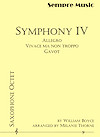
S381: Symphony No. 1 by William Boyce arranged for Saxophone Quartet (SATB) by Bruce R. Smith. BRS Music Inc., 2004, SS. William Boyce (1710-1779) was one of the most important English composers of the 18th century. This work was arranged for the Indianapolis Saxophone Quartet. The three movements are I. Allegro, II. Andante, and III. Vivace. The arranger rates it as (US) grade 4 and notes that the piece demonstrates high energy and drive. The second movement requires rhythmic precision as it contrasts triple and duple elements. This piece has a duration of 7:11 with repeats and 3:55 without. |
14.95
|
|
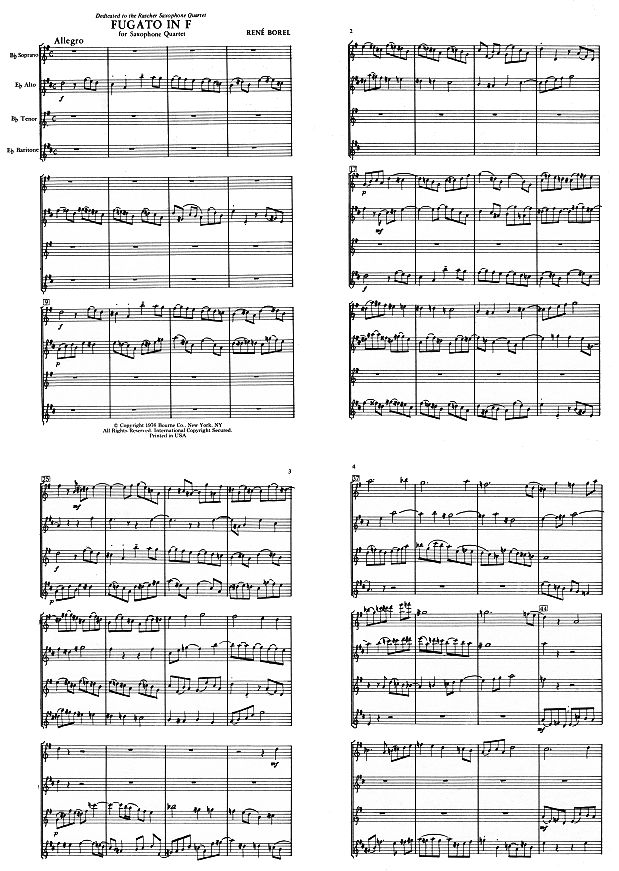
S964: Fugato in F for Saxophone Quartet (SATB) by René Borel. Bourne Co. 1976, includes parts and score. A fugato is a piece in the style of a fugue and that is the main challenge of this piece. While it is at an Allegro tempo with parts that are not generally that difficult individually, it will take concentration to make the fugue work. However, there is a small amount of altissimo: soprano is up to F-sharp, the alto part has several F-sharps and one G-sharp, and the tenor part has several F-sharps and one G. Click on the cover image to view the first page of the 3 page score. (Except other items with free shipping.) |
7.25
|
|
S211: Andante et Scherzo for Saxophone Quartet (SATB) by Eugene Bozza. Leduc, 1938, SS, (includes score and parts). An original saxophone quartet by French composer Bozza (1905-1991) that was dedicated to the Saxophone Quartet of Paris. The Andante is marked Moderato but accelerates in several places. The Scherzo is Assez vif (scherzando) and is mostly in 6/8. College level. Here is a video of a performance of this piece.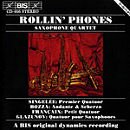 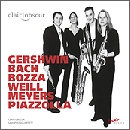
|
32.75
|
|
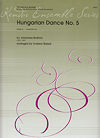
S1221: Hungarian Dance No. 5 by Johannes Brahms arranged for Saxophone Quartet (AATB) by Andrew Balent. Kendor Music Inc, 2017, includes score and parts. This is the very familiar dance by Brahms with alternating fast and slow tempos. Early high school level (with the first alto part a bit more difficult than the rest). The publisher rates this at (US) grade 3+. (Except other items with free shipping.) |
7.95
|
|
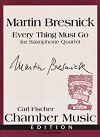
S476: Every Thing Must Go for Saxophone Quartet (SATB) by Martin Bresnick. Carl Fischer, 2007/2009, SS. Includes score and parts. Martin Bresnick (1946-) is an American composer whose compositions cover a wide range of instrumentation, from chamber music to symphonic compositions and computer music. This piece was commissioned for the PRISM Quartet. In three movements: I. Andante, II. G.L. in memoriam and III. Pensoso, con sobrio espressione. The composer intends the second movement, which makes up the bulk of the composition, to be played with just intonation and has marked the notes that need to be adjusted. College level. |
29.95
|
|
S1094: Saxophone Quartet No. 1 (SATB) by John Carisi. Associated Music Publishers/Shawnee Press/Margun Music, 1981, SS. Includes score and parts. John Carisi (1922-1992) was an American trumpeter and composer who played in a number of swing and jazz bands and studied composition with Stefan Wolpe. This work is in a fast/slow/fast format with a minimal break after the first section and none at all after the second. It is a college level, jazz-influenced piece with a duration of about 7:30. Here is an audio recording. |
23.95
|
|
S1026: Stardust by Hoagy Carmichael & Mitchell Parish for Saxophone Quartet (SATB or AATB) by Les Sabina. Kendor Music, 2007, includes parts and score. Stardust is an American popular song composed in 1927 by Hoagy Carmichael with lyrics added in 1929 by Mitchell Parish. It is an American standard and is considered one of the most recorded songs of the 20th century. Publisher's (US) grade 4. Click on the cover image to view the first page of the score. (Except other items with free shipping.) |
9.50
|
|
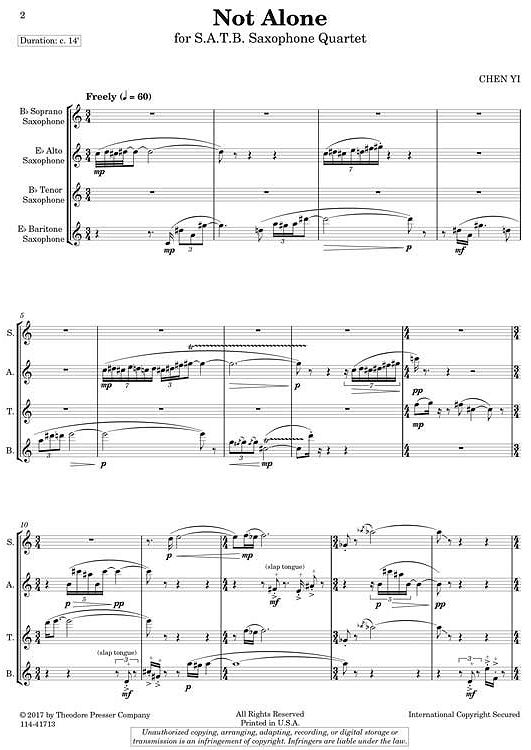
S1232: Not Alone & Happy Birthday to Prism for Saxophone Quartet (SATB) by Chen Yi. Theodore Presser Co., 2017, SS, includes parts and score. Chen Yi (1953-) was born in China and educated there and in the United States (DMA from Columbia University). A recipient of the New Music USA 2013 Live Music For Dance Award commissioning grant, Not Alone is inspired by the ancient Chinese poet Li Bai's poem "Drinking Alone under the Moon with the Shadow." The premiere was given on April 26, 2014 by the PRISM Quartet with the Nai-Ni Chen Dance Company, which commissioned the work to celebrate its 25th Anniversary NYC Season. From the Program Note by Matthew Levy (The PRISM Quartet), "Not Alone (2014) is an interdisciplinary work...but it stands alone in a chamber music setting. The work spans a stunning range of textures, from introspective solos for each of the four saxophones to majestic hyper-active gestures." Not Alone is published together with Happy Birthday to PRISM, a brief miniature that Chen Yi wrote for the quartet's 20th anniversary celebration in 2004. For advanced performers. Click on the cover image to view the first page of the score. |
39.95
|
|
S1341: Comedy for Saxophones for Saxophone Quartet (AATB) by James Christensen. Kjos, 1969, includes parts and score. This piece is dedicated to the original saxophone quartet at Disneyland, the Kestone Kops. They wore appropriate uniforms. There are several version of this piece on the internet. None are very good, but this one may be the best. Optional low As in the bari part. (Except other items with free shipping.) |
12.95
|
|
S577: November Spring for Saxophone Quartet (AATB/SATB) or Quintet by André Cimiotti. Advance Music, 2009, SS, includes parts and score. André Cimiotti (1975-) is a German saxophonist and composer. Here are the notes on the back cover of the music: "The cheerful and expressive pop-jazz song November Spring was originally written for saxophone quartet Wheeze (AATB). It is a feature for the 1st alto (optional soprano part is included – the alto part goes up to high A!), which introduces the melody and plays a long improvised solo. Also included is an optional 2nd tenor part (or optional 3rd alto) to perform this piece in the Cologne Saxophone Quintet version. Playing November Spring is not only a challenge, but it is also fun to do! The composition consists of a short and explosive introduction, a 64-bar AABC theme, an interlude, a solo for 1st alto on the AABC form, an interlude, ABC theme and a coda." The improvised solo over chords in the first part is a substantial part of this piece. |
25.95
|
|
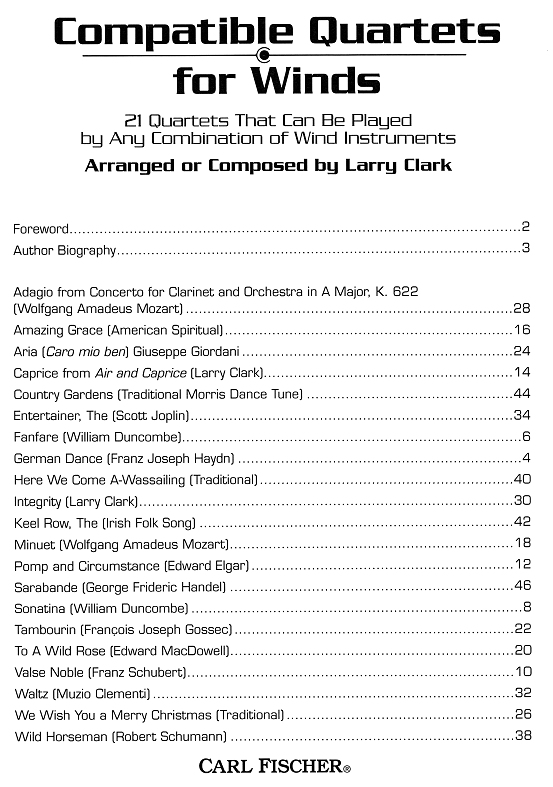
G279: Compatible Quartets for Winds for Alto or Baritone Saxophone arranged or composed by Larry Clark. Carl Fischer, 2014, SS, 45 pages in score format. The Compatible Ensemble Series allows chamber groups to play together, no matter the instrumentation or who wants to play melody. This collection contains 21 quartets for wind instruments in a variety of styles from classical, to folk, to original compositions, giving players the opportunity to mix-and-match instrumentation. Includes works by by William Duncombe, Larry Clark, Muzio Clementi, Edward Elgar, Giuseppe Giordani, Francois-Joseph Gossec, George Frideric Handel, Franz Joseph Haydn, Scott Joplin, Edward A. MacDowell, Wolfgang Amadeus Mozart, Franz Schubert, and Robert Schumann. They are presented in order of difficulty from easy to medium level. Click on the cover image to view the Table of Contents. |
16.95
|
|
|
G278: Compatible Quartets for Winds for Clarinet, Trumpet, Tenor Saxophone or other B-flat instruments arranged or composed by Larry Clark. Carl Fischer, 2014, SS, 45 pages in score format. The Compatible Ensemble Series allows chamber groups to play together, no matter the instrumentation or who wants to play melody. This collection contains 21 quartets for wind instruments in a variety of styles from classical, to folk, to original compositions, giving players the opportunity to mix-and-match instrumentation. Includes works by by William Duncombe, Larry Clark, Muzio Clementi, Edward Elgar, Giuseppe Giordani, Francois-Joseph Gossec, George Frideric Handel, Franz Joseph Haydn, Scott Joplin, Edward A. MacDowell, Wolfgang Amadeus Mozart, Franz Schubert, and Robert Schumann. They are presented in order of difficulty from easy to medium level. Click on the cover image to view the Table of Contents. |
16.95
|
|
S708: Caravane for Saxophone Quartet (SATB) by Robert Clérisse. Alphonse Leduc, SS, includes parts and score. Robert Clérisse (1899-1973) was a French composer and saxophonist and the founder of the Marcel Mule saxophone quartet. Most of this piece is Lent et pesant (eighth note = 96) with a somewhat faster Frais et allant (quarter note = 76) section in the middle. College level, but probably will not take much time to work this up. Duration 3:30. |
22.70
|
|
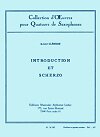
S728: Introduction et Scherzo for Saxophone Quartet (SATB) by Robert Clérisse. Alphonse Leduc, 1982, SS, includes parts and score. The Introduction opens with a brief molto presto section which is followed by a rhapsodic section in a lent 6/8 meter. The Scherzo is marked con fuoco and is in 3/4 (in 1 at mm=88). College level with a duration of about 3:23. |
27.75
|
|
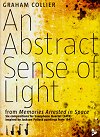
S695: An Abstract Sense of Light for Saxophone Quartet (SATB) by Graham Collier. Advance Music, 2010, SS, includes parts and score. Commissioned and recorded by QuadroSax of Switzerland, this is one movement from the piece Memories Arrested in Space that was inspired by Jackson Pollock paintings of 1947. Subtitled "Cathedral," this modern excursion with short improvised solos for all is not technically difficult, but it demands strong interpretation skills in the contemporary idiom. |
15.95
|
|
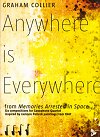
S718: Anywhere Is Everywhere for Saxophone Quartet (AATB) by Graham Collier. Advance Music, 2010, SS, includes parts and score. As above. Subtitled "Phosphorescence." Should be bright and energized with events happening constantly. |
15.95
|
|
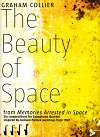
S687: The Beauty of Space for Saxophone Quartet (AATB) by Graham Collier. Advance Music, 2010, SS, includes parts and score. As above. Subtitled "Reflections of the Big Dipper." Long pauses throughout serve as pivotal points of reflection for players and listeners alike. |
15.95
|
|
S651: A Glimpse into Deep Space for Saxophone Quartet (SATB) by Graham Collier. Advance Music, 2010, SS, includes parts and score. As above, subtitled "Lucifer."
(Except other items with free shipping.) |
13.95
|
|
S975: Something Rich and Strange for Saxophone Quartet (AATB) by Graham Collier. Advance Music, 2011, SS, includes parts and score. As above. Subtitled "Full Fathom Five." "Full fathom five thy father lies; Of his bones are coral made; Those are pearls that were his eyes: Nothing of him that doth fade, But doth suffer a sea change Into something rich and strange." (Ariel in The Tempest by William Shakespeare). Includes short improvised solos with chords or intervals given. Click on the cover image to view the first page of the score. Click here to listen to an exceprt from this piece. |
15.95
|
|
S739: Reverberations in and Beyond for Saxophone Quartet (AATB) by Graham Collier. Advance Music, 2010, SS, includes parts and score. As above. Subtitled "Alchemy." Includes key clicks and other rhythmic techniques as well as improvised solos over these rhythms. This is the last piece in the series and includes a final section named Memories which may be used as a coda or an encore. |
19.95
|
|
S647: The Emerald Isle for Saxophone Quartet (AATB) arranged by Lloyd Conley. Kendor Music, 2010, includes parts and score. Four Irish classics make up this medley for saxophone quartet. A lively 9/8 fiddle tune, Barney Bralligan, sets the opening pace, followed by the familiar Hush Little Baby and the plaintiff air The Minstrel Boy. The piece closes with Gary Owen, a beautiful ballad. Total duration 4:00. Publisher's (US) grade 3+. Note: the commercially printed version of this piece is no longer available. If you order it, we will print it out on plain paper for you. |
12.95
|
|
S732: Four Piano Blues by Aaron Copland arranged for Saxophone Quartet (SATB) by Paul Cohen. Boosey & Hawkes, 1949/2009, SS, includes parts and score. Paul Cohen wrote: "Four Piano Blues was composed between 1926 and 1948, with each movement dedicated to a different friend of the composer. These thoughtful portraits, loosely drawn from a 'blues' perspective, together form a little musical portrait of the composer over the years. From the exuberant jazz of the 1920s to the strong simplicity of his 1940s music, they are immediately recognizable as Copland's own, distinctive American language. I have always been enamored of Four Piano Blues and thought that the colorful and sustaining sonorities of the saxophone quartet could add yet another dimension to the work." These pieces have some challenges because of their mixed meter which is of the 4/4, 7/8, etc. variety in the third movement (although it is slow). |
19.95
|
|
S733: Three Excerpts from "Our Town" and Simple Gifts by Aaron Copland arranged for Saxophone Quartet (SATB) by Paul Cohen. Boosey & Hawkes, 1944/1945//2009, SS, includes parts and score. This arrangement of the music from Our Town is based on a short three movement arrangement for piano by Copland. Included are The Story of Our Town, Conversation at the Soda Fountain, and The Resting-place on the Hill. Duration 11 minutes. Simple Gifts from the Shaker tune of the same name was used in the ballet Appalachian Spring. This arrangement is based on the version created for wind ensemble. Duration 4:30. These works are suitable for better high school level quartets and up. |
24.95
|
|
S799: Danse for Saxophone Quartet (SATB) by Jean Cras. Editions Henry Lemoine, 2003, SS, includes parts and score. Jean Cras (1879-1932) was a French composer and career naval officer. Generally at quarter = 120 with some accelerandos and ritards/allargando. The beginning and end of the piece is in a non-standard key signature but that shouldn't be a problem for college level players. Duration of about 3:20. |
18.95
|
|
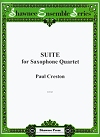
1137: Suite for Saxophone Quartet Op. 111 (SATB) by Paul Creston. Shawnee Press, 1981, SS, includes parts and score. Paul Creston (born Giuseppe Guttoveggio; 1906-1985) was an Italian American composer. This piece which was written in 1979 is in four movements: I. Prelude, II. Scherzino, III. Pastorale, and IV. Rondo. College level with a duration of about 15 minutes. Here is an excellent performance of the first movement from YouTube (the others are there, too). |
34.95
|
|
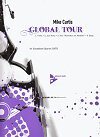
S559: Global Tour for Saxophone Quartet (SATB) by Mike Curtis. Advance Music, 2009, SS, includes parts and score. Four different styles, hence the name: 1. Funky, 2. Jazz Waltz, 3. Klez "Rozhinkes mit Mandlen," and 4. Tango. College level with a duration of about 11 minutes. Click here to listen to this piece. |
21.95
|
|
S523: A Klezmer Wedding Edition for Saxophones (SATB) by Mike Curtis. Advance Music, 1996. Includes parts and score. Fun for the performers and the audience. It begins with a Doina with solos for the soprano, alto and tenor. This is followed by a Hora, Chusidl, and a Frylach. College level. Here is a video of this piece. |
24.95
|
|
S688: Renaissance Suite for Saxophone Quartet (AATB) arranged by Mike Curtis. Advance Music, 2009, SS, includes parts and score. Music from the High Renaissance (c. 1500) often featured voices in four-part harmony. The blending, vocal nature of saxophones makes this repertory ideal for adaptation. This Suite begins with In te, Domine, speravi by the greatest master of that age, the Franco-Flemish Josquin des Prez, follows with the poignant Triste España sin Ventura by Juan del Encina, and concludes with a lively anonymous Spanish dance tune, Pase el agoa, ma Julieta. High school level. |
19.95
|
|
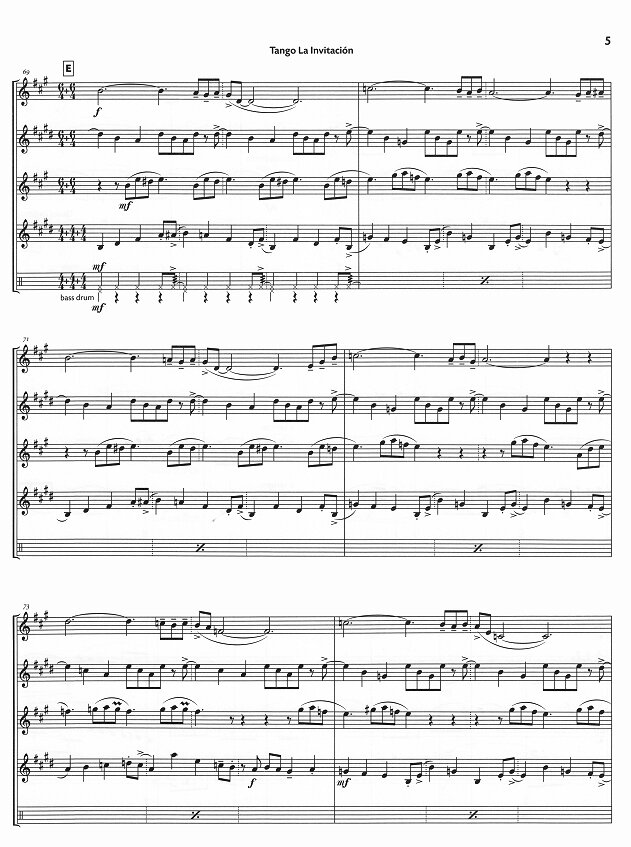
S712: Tango La Invitación for Saxophone Quartet (SATB) and optional percussion by Mike Curtis. Advance Music, 2006, SS, includes parts and score. The optional percussion is for two players. This piece blends tango with elements of klezmer music. Sectional: Languido, Agitato, Quasi cadenza (tenor and bari), and a final section at mm=112. The main challenge in this piece is ensemble as the parts are very independent. Click on the cover image to see a sample page of the score. |
18.95
|
|
S1066: 1st Quartet by Claude Debussy arranged for Saxophone Quartet (SATB) by Vincent David. Billaudot, 2006, includes parts and score. This work was originally for string quartet. It is rated 9 out 9 for difficulty by the publisher and has a duration of 25 minues. Here is a performance. Click on the cover image to view the first page of the score. |
49.95
|
|
S1230: La Fille aux Cheveux de Lin by Claude Debussy arranged for Saxophone Quartet (SATB/AATB) by Ramon Ricker. Advance Music, 1996, includes parts and score. This beautiful piece, also know as The Girl with the Flaxen Hair, has been arranged for saxophone quartet. Here is a performance which sounds like the same arrangement. Click on the cover image to view the first page of the score. |
15.95
|
|
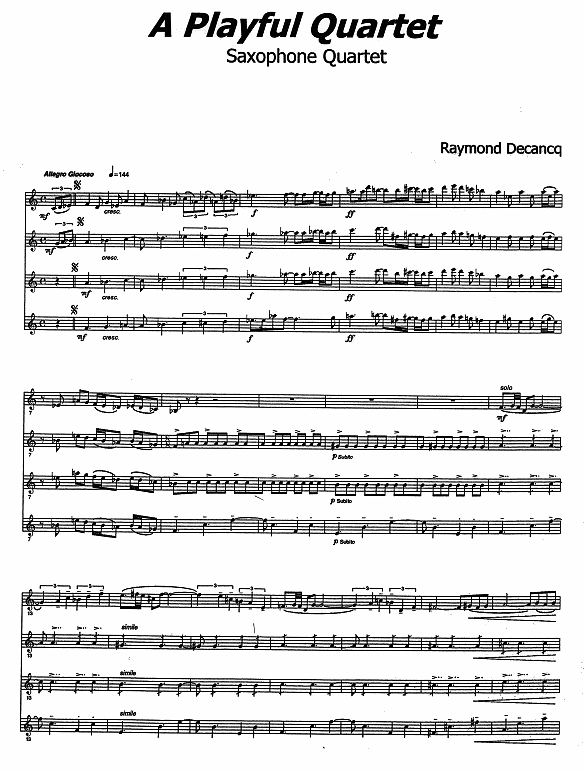
S1040: A Playful Quartet for Saxophone Quartet (SATB) by Raymond Decancq. Digital Music Print, 1992, SS, includes parts and score. The soprano and baritone parts are the most important. There is a rhythm pattern that is a bit tricky but it is repeated through much of the piece. Early college level with a duration of about 7 minutes. Here is a performance with the ATB parts doubled. Click on the cover image to view the first page of the score (pitches are the same as the parts despite the absence of key signatures). |
23.95
|

|
S1077: Take Five by Paul Desmond arranged for Saxophone Quartet (AAAT or AAAB) by Uwe Heger. Noetzel Edition, 2000, SS, includes parts and score. Despite a somewhat unusual ensemble, this should be fun to play with all of the altos having the melody at some point. Click on the cover image to view the first page of the score. |
18.75
|
|
S1239: The Bells at Bruges for Saxophone Quartet (AATB) by Denis DiBlasio. Almitra Music Co./Kendor Music Inc., 2017, includes parts and score. Imagine a church bell tower using jazz harmonies, and the church bells were saxophones. This grade 4 work is unique, easy to place in a program, and very effective when successfully performed. The publisher rates this at (US) grade 4, but only the first alto part may reach that level. Duration about 2:10. Click on the cover image to view the first two pages of the score. |
11.50
|
|
S271: An-Satz-Weise for Saxophone Quartet (SATB) by Christian Diendorfer. Doblinger, 1995, (includes score and parts). Christian Diendorfer (1957-) is an Austrian composer. He studied composition in Vienna with Francis Burt and Roman Haubenstock-Ramati as well as instrumental pedagogy (piano and recorder). This three movement work would be a good one for college quartets who wish to explore extended techniques and notation. As the tempos are moderate and the rhythms not too difficult, focus can be given to the multiphonics (fingerings given) and the contemporary notation which is used in the third movement. |
38.95
|
|
S1110: Thank You for Saxophone Quartet (SATB) by Jerry Dodgion. Second Floor Music, 1976/1990, SS, (includes score and parts). Jerry Dodgion (1932-) is an American jazz saxophonist and composer. A very nice jazz inspired quartet with a duration of about 6 minutes. Feature a solo with chord changes for the tenor sax. College level and up. Here are two performances (#1 and #2) on YouTube. |
24.95
|
|
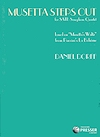
S1013: Musetta Steps Out for Saxophone Quartet (SATB) by Daniel Dorff. Theodore Presser Co., 2014, SS, (includes score and parts). Saxophonist turned composer Daniel Dorff has a strong affinity for the beautiful lyricism and lush harmonies of Puccini, and for the hot style of 1940’s swing bands. This 3-minute hybrid is classy enough to punctuate a formal recital, and familiar enough for pops and parties, as Dorff takes Musetta out of La Bohème’s poignant café for a swinging night on the town in “big band” style. For advanced performers. Click on the cover image to view several pages from the score. |
17.95
|
|
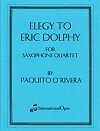
S492: Elegy to Eric Dolphy for Saxophone Quartet (SATB) by Paquito D'Rivera. International Opus, 1994, (parts only). Paquito’s tribute to the late avant-garde jazz saxophonist/bass clarinetist Eric Dolphy. College level with a duration of about 6 minutes. (Except other items with free shipping.) |
21.95
|
|
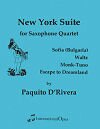
S427: New York Suite for Saxophone Quartet (SATB) by Paquito D'Rivera. International Opus, 1990, SS, (includes score and parts). In four movements 1. Sofia (Bulgaria) which is mostly in 9/8; 2. Waltz (Improvisation on a theme by Chucho Valdes), tenor and soprano solos and free improvisation for all; 3. Monk-Tuno; soprano and alto solos; 4. Escape to Dreamland (an episodic montage with references to the other movements including a 9/8 coda), bari and tenor solos. College level. |
38.95
|
|
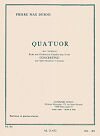
S352: Quatuor for Saxophone Quartet (SATB) by Pierre Max Dubois. Alphonse Leduc, 1956, SS, (includes score and parts). In three movements: I. Overture (Brilliante) II. Deloroso, III. Spirituoso, and IV. Andante. College level. While this work is suitable for performance as a quartet there is also an accompaniment for string orchestra and percussion available as a rental. |
50.70
|
|
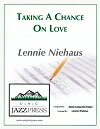
S509: Taking a Chance on Love by Vernon Duke arranged for Saxophone Quartet (SATB) by Lennie Niehaus. UNC JazzPress, SB. Includes parts (including 2 copies of an optional bass part with chords that can be used for bass, piano, guitar, etc.) and score. This is one of the famous Lennie Niehaus arrangements for saxophone quartet. |
24.95
|
|
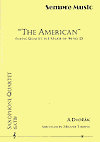
S1343: "The American" String Quartet in F Major, Op. 96, No. 12 by Antonin Dvorak arranged for Saxophone Quartet (SATB) by Melanie Thorne. Sempre Music, 2021, SS, includes parts and score. This is a (straight) arrangement of this piece for saxaphone quartet. Four movements: 1. Allegro ma non troppo, 2. Lento, 3. Molto Vivace, and 4. Vivace ma non troppo. |
44.95
|
|
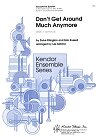
S534: Don't Get Around Much Anymore by Duke Ellington and Bob Russell arranged for Saxophone Quartet (SATB or AATB) by Les Sabina. Kendor Music, 2004. Don't Get Around Much Anymore was a big hit for the Ellington band in the early 1940s. The publisher rates it as (US) grade 5. (Except other items with free shipping.) |
9.95
|
|
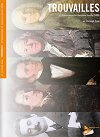
S583: Trouvailles, 12 Transcriptions for Saxophone Quartet (SATB) arranged by Christoph Enzel. Advance Music, 2010, includes parts and score. Christoph Enzel wrote: "Trouvailles is a collection of short compositions which mostly came about by chance and could not get out of my mind again. Therefore, I finally decided to arrange them for saxophone quartet – not least to be able to play them myself." The pieces are: Lully Air des Hautbois (Folies D’Espagne); Schumann Waldszenen Op. 82; Gluck Andante from Don Juan and Allegretto from Don Juan; Schubert Choral from Der Tod und das Mädchen and Moment Musical No. 3; Chopin Opus 28 No. 4, 6, and 7; Scarlatti Sonata L418; Puccini Scherzo; and Beethoven Sonata Op. 27/2 (Moonlight). High school level and up. |
33.95
|
|
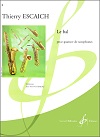
S900: Le Bal for Saxophone Quartet (SATB) by Thierry Escaich. Billaudot, 2004, SS, includes parts and score. Thierry Escaich (1965-) is a French composer and organist. This is an advanced college level, sectional piece with mixed meter and many tempo changes. The duration is about 12 minutes. In the soprano part there is a brief section of flutter tonguing and altissimo to B-flat. The alto part has altissimo to A. The baritone part is very important and is frequently set against the rest of the quartet. Here is an audio file of this piece. |
29.95
|
|
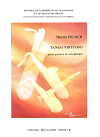
S749: Tango Virtuoso for Saxophone Quartet (SATB) by Thierry Escaich. Billaudot, 1993, SS, includes parts and score. This is a very attractive and appropriately named quartet. As usual, most of the difficulty is in the upper parts. The duration is listed as 4 minutes, but all of the online videos (and there are many) are at a slower tempo. Here is a video example complete with choreography. |
18.95
|
|
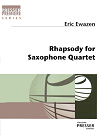
S750: Rhapsody for Saxophone Quartet (SATB) by Eric Ewazen. Theodore Presser Co., 2011, SS, includes parts and score. Eric Ewazen (1954-) is an American composer and music educator. He studied at Eastman and Julliard where he has been on the faculty since 1980. The piece was written for the New York Saxophone Quartet. After a short Lento introduction it is Allegro molto through the rest of the piece with some sections of mixed meter and time signature changes. College level with a duration of about 9 minutes. Here is a video. |
35.95
|
|
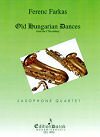
S364: Old Hungarian Dances from the 17th Century for saxophone quartet(SATB) by Ferenc Farkas. EditionDarok, 1988, includes parts and score. This quartet is fun for both the performers and the audience. The four dances are Intrada, Slow Dance, Shoulder-Blade Dance, and Leaping Dance. Early college level, adult amateurs, and up. Includes the score. Also available for clarinet quartet and woodwind quintet. |
32.95
|
|
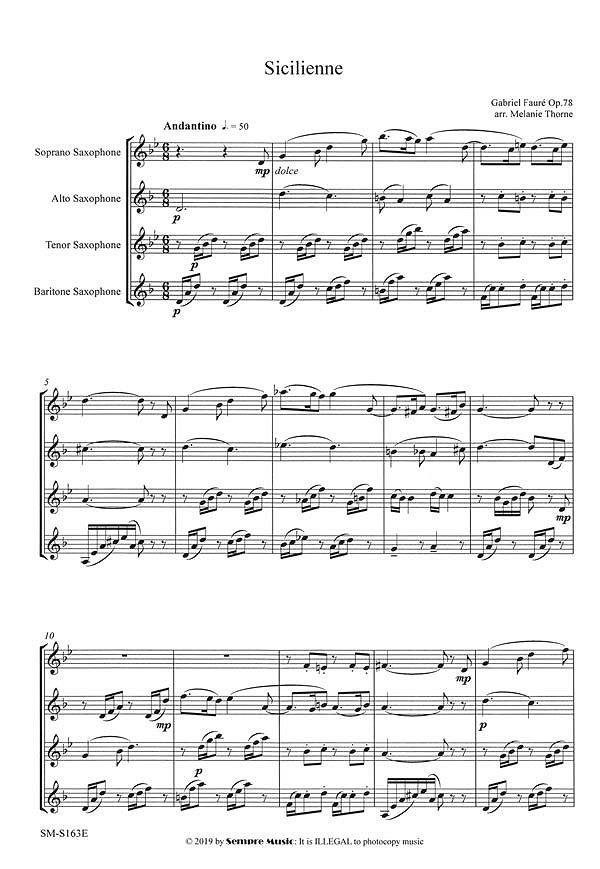
S1303: Sicilienne Op. 78 for saxophone quartet (SATB) by Gabriel Faure arranged by Melanie Thorne. Sempre Music, 2019, SS, includes parts and score. Faure originally wrote his captivating Sicilienne for a production which unfortunately went bankrupt before ever the music was performed. Thankfully, he later arranged the orchestral setting as a solo for cello and piano and, concurrently, thought to include it in the incidental music for a play, Pelleas et Melisande. The Sicilienne has seen arrangements for everything from panpipes to tuba over the years, and Thorne here crafts an excellent arrangement for saxophone quartet, effectively translating the usual piano or harp accompaniment to the wind instruments. High School quartets and up. Click on the cover image to view the first page of the score. |
29.30
|
|
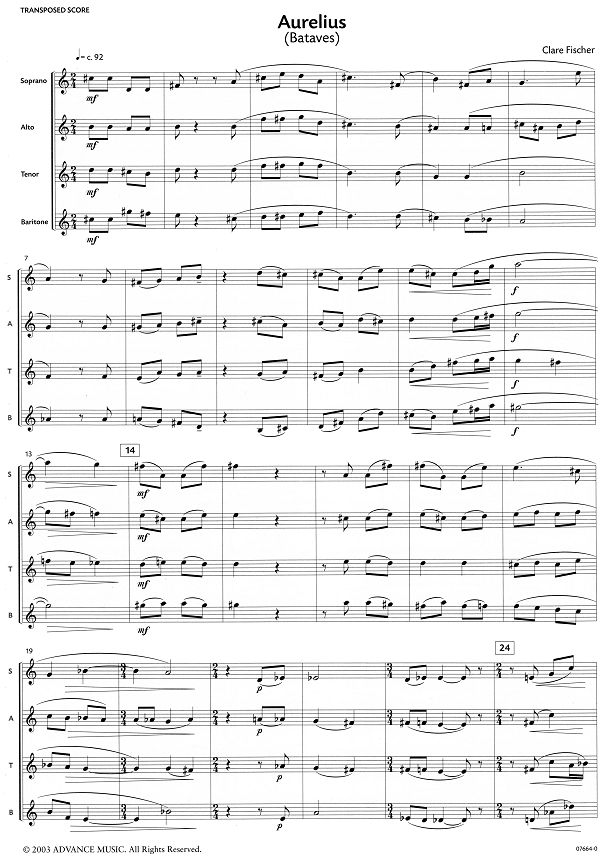
S1088: Aurelius for saxophone quartet (SATB) by Clare Fischer. Advance Music, 2003, includes parts and score. Douglas Clare Fischer (1928-2012) was a Grammy winning American keyboardist, composer, arranger, and band leader. This piece was composed for the Aurelius Saxophone Quartet, It is a beautiful tone poem with flowing melodies, lush harmonies, mood changes and a heroic climax. Some mixed meter but of the 2/4, 3/4, and 4/4 variety. Early college level and up. Click on the cover image to view the first page of the score. |
25.95
|
|
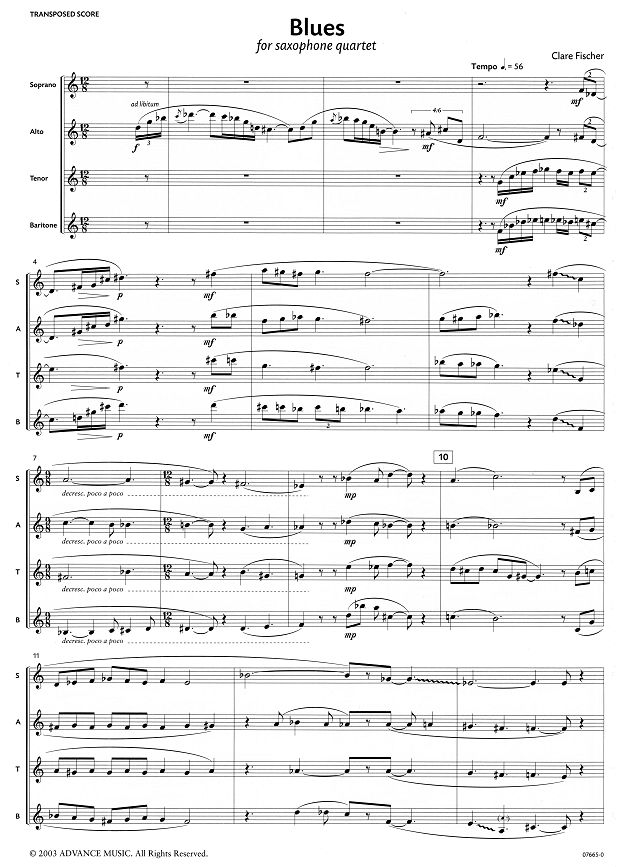
S1087: Blues for saxophone quartet (SATB) by Clare Fischer. Advance Music, 2003, includes parts and score. An original blues: slow, laid back and soulful, with rich textural colors and interplay. Early college level and up. Click on the cover image to view the first page of the score. |
21.95
|
|
S213: Quartette (Allegro de Concert) for Saxophone Quartet (SATB) by Caryl Florio. C.F. Peters, 1988, SS. This 1879 work by William James Robjohn (1843-1920) who used the pseudonym Caryl Florio, is undoubtedly one of the oldest American works for saxophone quartet. Written for Edward A. Lefebre and his saxophone quartet, it was not published until 1988. In two movements: Andante and Allegro. A wonderful piece for everyone from advanced high school to professional quartets. Duration about 7 minutes.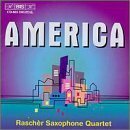
|
40.25
|
|
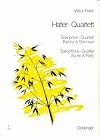
S272: Hafer-Quartett for Saxophone Quartet (SATB) by Viktor Fortin. Doblinger, 1997, (includes score and parts). Viktor Fortin (1936-) is an Austrian composer, critic, teacher and conductor. This piece is in the theme and variation format and is based on the theme we know in English as Twinkle Twinkle Little Star. The movements are: 1. Introduzione, 2. Tema, 3. Scherzo, 4 Intermezzo lirico, 5. Ragtime, 6. Südslawischer Tanz, and 7. Finale bucuolico e pensoso. Most of the movements are not difficult with the sixth movement presenting the most challenge as it is marked "Schnell und wild" and features mixed meter (4/8, 3/8, 5/8, etc.). |
32.95
|
|
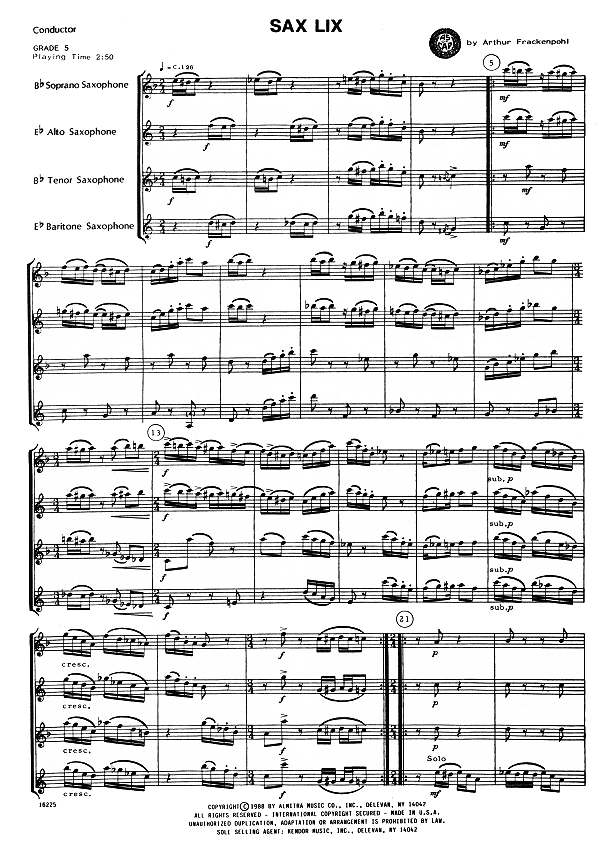
S1085: Sax Lix for Saxophone Quartet (SATB) by Arthur Frackenpohl. Kendor Music Inc., 1988, includes parts and score. Intended for proficient performers, this lively excursion in 2/4 includes occasional 3/4 measures and requires excellent execution of rhythms and articulations. Echo effects and a march-style trio are highlights. Duration 2:50. The publisher rates is as (US) grade 5. Here is a performance of this piece by an excellent high school quartet. Click on the cover image to view the first page of the score. |
9.95
|
|
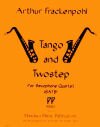
S140: Tango and Twostep for Saxophone Quartet (SATB) by Arthur Frackenpohl. Manduca Music, 1994. Two movements (obviously): slowly and fast. Good fun and should be playable by most quartets. |
14.95
|
|
S428: Petit Quatuor for Saxophones (SATB) by Jean Françaix. Schott, 1939, SS. Parts only. I. Gaguenardise, II. Cantilène, and III. Sérénade comique. A popular saxophone quartet
|
29.95
|
|
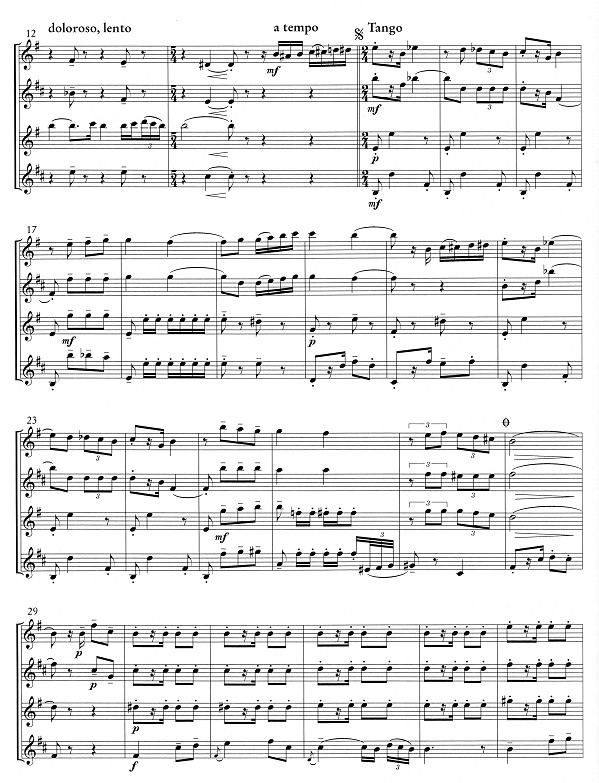
S858: Jalousie Tango for Saxophone Quartet (SATB) by Jacob Gade arranged by Friedemann Graef. Doblinger, 1926/2012, SS, (includes parts and score). Jacob Gade (1879-1963) was a Danish composer and violinist. Today he is remember for this tune alone which became a worldwide hit. It was written to accompany the silent film Son of Zorro in 1925. Click on the cover image to view the second page of the score where the melody begins. |
19.95
|
|
S830: Cuesta Abajo (Tango 1934) arranged for Saxophone Quartet (AATB) by Carlos Gardel arranged by Albert Loritz. Advance Music, 2011, SS (includes parts and score). Carlos Gardel (1890-1935), who grew up in Argentina, was a singer, songwriter and actor, and is perhaps the most prominent figure in the history of tango. The song Cuesta Abajo was featured in an American movie of the same name and is considered one of Gardel's greatest performances. Early college level with all parts important. Here is an audio sample from the beginning of the piece. Click on the cover image to view the first page of the score. |
19.95
|
|
S505: But Not for Me by George Gershwin arranged for Saxophone Quartet (SATB) by Lennie Niehaus. UNC JazzPress, SB. Includes parts (including 3 copies of an optional bass part with chords that can be used for bass, piano, guitar, etc.) and score. This is one of the famous Lennie Niehaus arrangements for the Hollywood Saxophone Quartet. The problems with the score and the bass parts has now been fixed. |
24.95
|
|
S506: Fascinating Rhythm by George Gershwin arranged for Saxophone Quartet (SATB) by Lennie Niehaus. UNC JazzPress, SB. Includes parts (including 3 copies of an optional bass part with chords that can be used for bass, piano, guitar, etc. and a drum part) and score. This is one of the famous Lennie Niehaus arrangements for saxophone quartet. |
24.95
|
|
S1017: I Got Rhythm for Saxophone Quartet (SATB) by George Gershwin arranged by Hans Dillo. Ardito, SS, (includes parts and score). A snappy arrangement of this Gershwin favorite. |
19.95
|
|
S1018: Liza for Saxophone Quartet (SATB or AATB) by George Gershwin arranged by Art Marshall. Ardito, 1990, SS, (includes parts and score). One of my favorite pieces in a good arrangement with a short waltz section in the middle. All parts are interesting and have their moments to shine. Here is a video of this arrangement. |
16.95
|
|
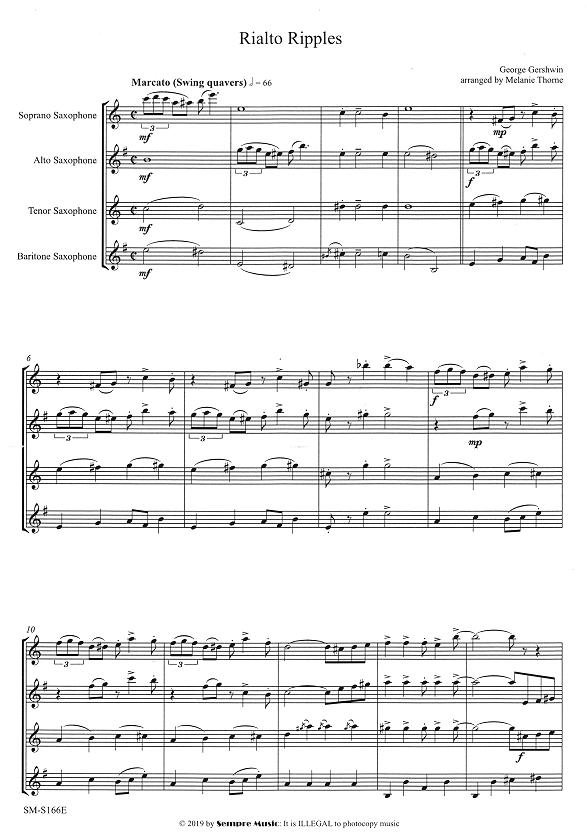
S1338: Rialto Ripples arranged for Saxophone Quartet (SATB) by George Gershwin arranged by Melanie Thorne. Sempre Music, 2019, (includes parts and score). In 1917 Gershwin's novelty ragtime, Rialto Ripples, became a commercial success. Gershwin was about 19 years old but was already pursuing his musical career. Click on the cover image to view the first page of the score. |
19.95
|
|
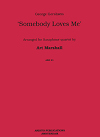
S897: Somebody Loves Me for Saxophone Quartet (SATB or AATB) by George Gershwin arranged by Art Marshall. Ardito, 1994, (includes parts and score). A swing arrangement with two short waltz sections. Brief written out solo for the first part. |
19.95
|
|
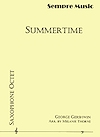
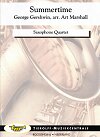
S624: Summertime by George Gershwin arranged for saxophone quartet (SATB or AATB) by Art Marshall. Tierolff Muziekcentrale, 1988, SS, includes parts and score. The first part was intended for an alto saxophone (although a soprano part is provided as an alternative). While all the parts are interesting, the first part has both the theme and a jazzy solo. (Except other items with free shipping.) |
19.95
|
|
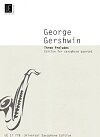
S639: Three Preludes by George Gershwin arranged for saxophone quartet (SATB by Wolfgang Schlei. Universal Edition, 1987, SS. These three familiar preludes which were written for piano in 1927 have been arranged for many combinations of instruments. Excellent music for the college level and proficient adult quartets.
|
27.95
|

|
S222: Fantazia by Orlando Gibbons arranged for Saxophone Quartet (SATB) by Fred Hemke. Southern Music Co., 1970, SS, (includes parts and score). Orlando Gibbons (1583-1625) was an English composer and organist. This piece is at a moderato tempo with a brief slower section in the middle. High school level with interesting parts for all. Click on the cover image to view the first page of the score. |
18.95
|
|
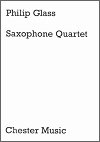
S802: Saxophone Quartet (SATB) by Philip Glass. Chester Music, 2003. This work was first performed by the Rascher Quartet in July 1995 at the Schleswig Holstein Festival in Hasselburg, Germany. A version of the work with orchestral accompaniment, "Concerto for Four Saxophones," was premiered by the Rascher Quartet with the Stockholm Radio Orchestra in September 1995. In four movements. Advanced college/professional. The score is also available. The CD is of the version with orchestra.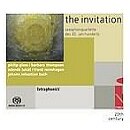 |
49.95
|
|
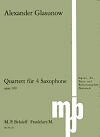
S210: Quartet for Four Saxophones Op. 109 (SATB) by Alexander Glazounov (Glasunow). M.P. Belaieff, 1959, SS. In three movements: I. Partie (Allegro), II. Canzona variée (with five variations: Andante, L'stesso tempo, Con anima, Grave, Allegretto, and Presto), and Finale (Allegro Moderato). A major work (duration about 27 minutes) for saxophone quartet. Advanced college/professional. |
58.25
|
|
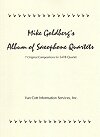
S557: Mike Goldberg's Album of Saxophone Quartets (SATB) by Mike Goldberg edited by Gary Van Cott and John LaCloche. Van Cott Information Services, 2009. Includes parts and score. Mike Goldberg (1922-2005) is an American musician and composer who played saxophone with bands such a Charlie Barnet and Benny Goodman. After 20 years on the road he played for another 20 years in Las Vegas showrooms. These seven original quartets are excellent for advancing high school, early college, and recreational quartets. They are: Dream Sequence, Lady Blue, Pirouette, 40's Tune, 50's Tune, Hodge Podge, and Double Dot Drive. All but Pirouette are in swing style. Lady Blue and Double Dot Drive have tenor solos with chord changes while Hodge Podge has a solo for the bari. |
24.95
|
|
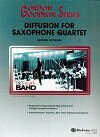
S245: Diffusion for Saxophone Quartet (SATB) by Gordon Goodwin. Belwin Jazz, 2006, (includes score and parts). Dedicated to the Osland Saxophone Quartet. In four movements: I. Allegro, II. Waltz, III. Swing, and IV. Hip Hop. An extended work that requires both classical and jazz skills. The cover says it is designed for experience high school and college saxophone players, but it will take exceptional high school players to bring it off anywhere near the marked tempos. |
64.95
|
|
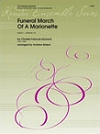
S1172: Funeral March of a Marionette for Saxophone Quartet (AATB) by Charles Francois Gounod arranged by Andrew Balent. Almitra Music Co./Kendor Music Inc, 2016, SS, includes score and parts. This familiar melody by Charles Francois Gounod was originally written for solo piano in 1872. Best known as the theme from the Alfred Hitchcock television program (which aired on CBS and NBC between 1955 and 1965), this grade 3 arrangement for AATB saxophone quartet will be a welcome addition to any concert performance. Duration 1:45. Click on the cover image to view the first two pages of the score. |
11.50
|
|
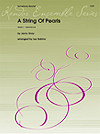
S1216: A String of Pearls for Saxophone Quartet (AATB) by Jerry Gray arranged by Les Sabina. Kendor Music Inc., 1941/2016, (includes score and parts). This jazz standard by Jerry Gray, was originally recorded by Glenn Miller and His Orchestra. This is a grade 3 arrangement. Duration 2:30. Click on the cover image to view the first two pages of the score. |
11.95
|
|
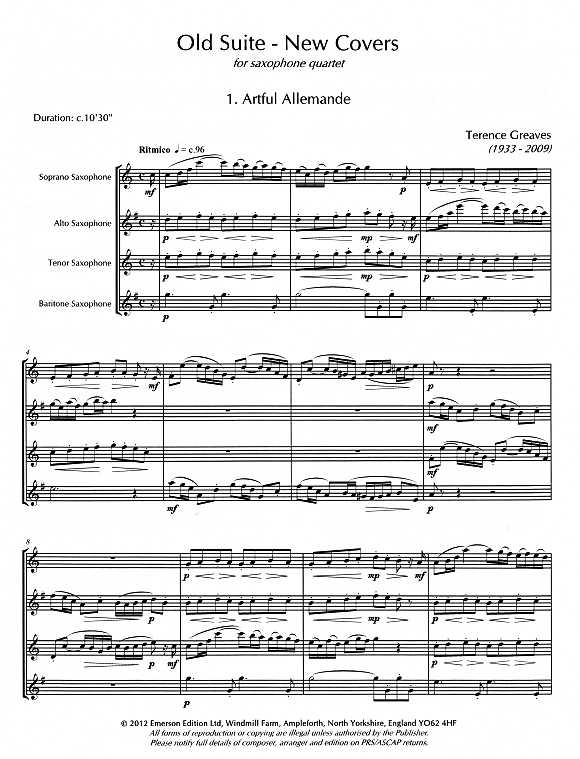
S993: Old Suite - New Covers for Saxophone Quartet (SATB) by Terence Greaves. Emerson Edition, 2013, SS, includes score and parts. Terence Greaves (1933-2009) was an English composer who studied at Oxford and wrote music for voice, piano and various wind instruments. This suite of movements was the last piece that Terence Greaves wrote before he died in 2009. His music has a wistful, jazzy feel, infused with great wit, and this is no exception. It is published to commemorate what would have been his 80th year. In six movements 1. Artful Allemande (Ritmico), 2. Stately Sarabande (Maestoso), 3. Continuous Courante (Smoothly flowing), 4. Mournful Minuet (mm=100), 5. Graceful Gavotte (Moderato e grazioso), and 6. Jaunty Jig (Allegro spiritoso). Early college level with a duration of 10:30. (The saxophone quartet I play in occasionally enjoyed this when we tried it. It is essentially contemporary compositions written in the form of earlier styles.) Click on the cover image to view the first page of the score. |
23.95
|
|
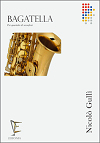
S938: Bagatella for Saxophone Quartet (SATB) by Nicolò Gullì. Edizioni Eufonia, SS, includes score and parts. A sectional piece with a variety of tempos. Better high school level quartets and up. Click on the cover image to view a portion of the score. |
21.95
|
|
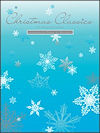
S1281a: Christmas Classics for Saxophone Quartet (AATB) (Parts only) arranged by Frank J. Halferty. Almitra Music/Kendor Music, 2018, SS. With great variety of style and a refreshing harmonic touch, this grade 3-4 collection is destined to become a go-to resource for saxophone quartets. Contents: Bring A Torch, Jeanette, Isabella; Deck The Halls; God Rest Ye Merry Gentlemen; In The Bleak Midwinter; Jingle Bells; Joy To The World; O Come, O Come, Emmanuel; Silent Night; Ukrainian Bell Carol; Up On The Housetop; We Three Kings; We Wish You A Merry Christmas; and What Child Is This? Parts are available individually for $7.50. S1285: Christmas Classics for Saxophone Quartet (AATB) (Score only) arranged by Frank J. Halferty. Almitra Music/Kendor Music, 2018, SS, 40 pages. Click on the cover image to view the first two pages of the score. S1281b: Christmas Classics for Saxophone Quartet (AATB) (Parts and Score) arranged by Frank J. Halferty. Almitra Music/Kendor Music, 2018, SS. |
Parts
28.95
Score Parts & Score12.50 39.95
|
|
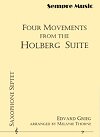
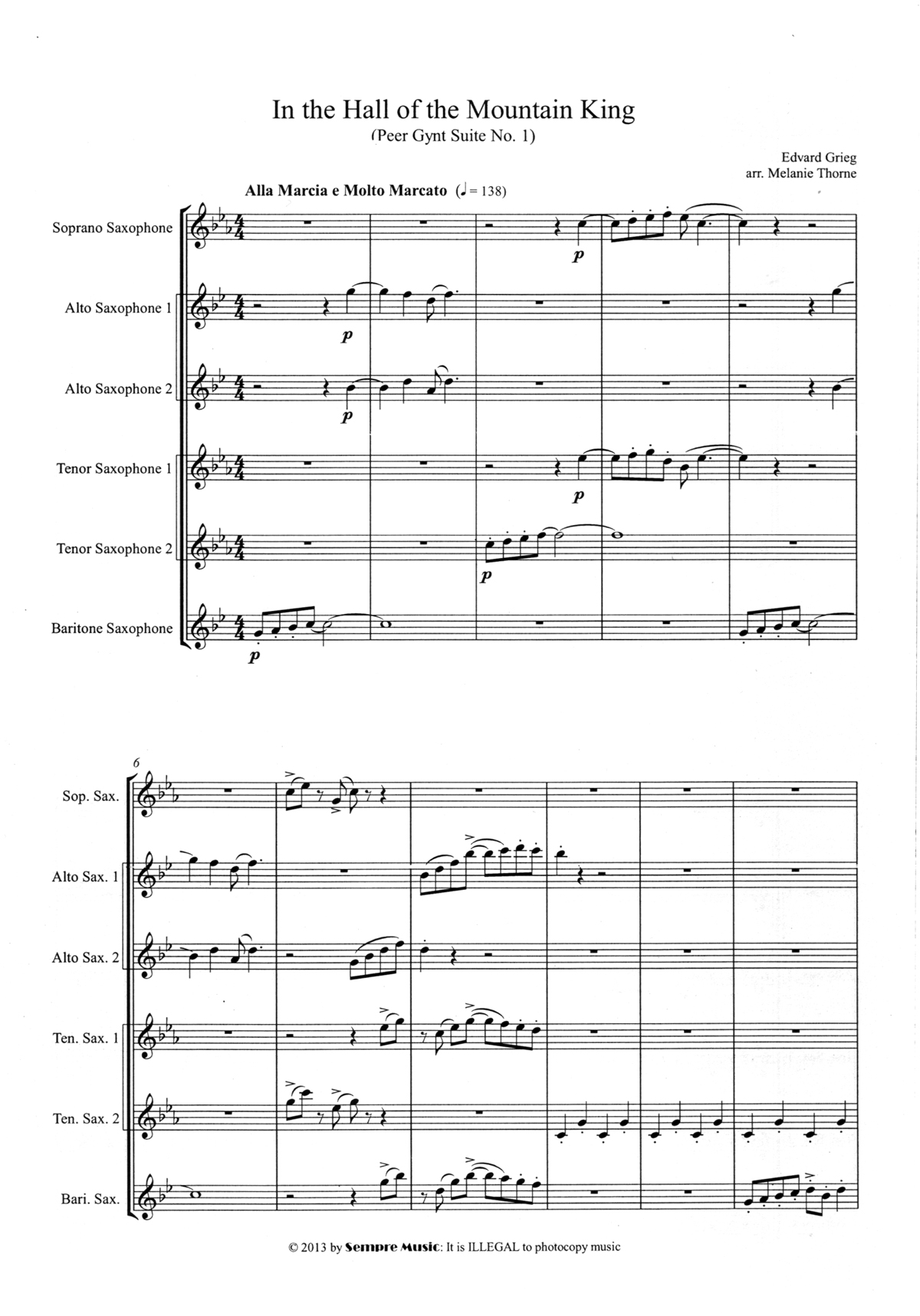
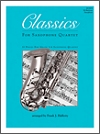
S1147a: Classics for Saxophone Quartet (AATB) (Parts only) arranged by Frank J. Halferty. Kendor. 2015, SS. This collection of selections for grade 3-4 AATB saxophones includes 13 pieces that will be a valuable resource for practically any type of performance. Includes: J.S Bach March (from Anna Magdalena Bach's Notebook), Wie Schön Leuchtet Der Morgenstern (O Morning Star, How Fair And Bright, BWV 1), and Sheep May Safely Graze (from Cantata BWV 208); Chopin Prelude In E Minor (Opus 28, No. 4); Handel Menuets (from Music For The Royal Fireworks) and La Rejouissance (from Music For The Royal Fireworks); Shaker Hymn Simple Gifts; Schumann Kind Im Einschlummern (from Kinderszenen, Op. 15); Beethoven Fanfare Prelude On Ode To Joy; Bizet Habanera (from Carmen); Grieg In The Hall Of The Mountain King; Tchaikovsky March (from The Nutcracker) and Trepak (Danse Russe Trepak from The Nutcracker Suite). Parts are available individually for $6.95. S1147: Classics for Saxophone Quartet (AATB) (Score only) arranged by Frank J. Halferty. Kendor. 2015, SS, 43 pages. Click on the cover image to view the table of contents and sample pages from the score. S1147b: Classics for Saxophone Quartet (AATB) (Parts and Score) arranged by Frank J. Halferty. Kendor. 2015, SS. |
Parts
27.50
Score Parts & Score12.50 39.95
|
|
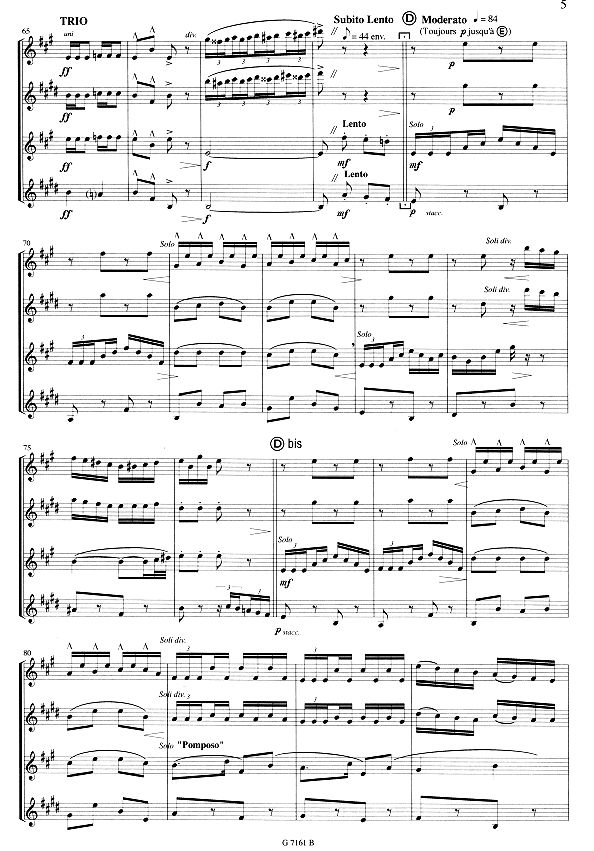
S1225: Perles de Cristal for Saxophone Quartet (SATB) by Georges Hamel arranged by Joël Cadoret. Billaudot, 2002, includes parts and score. This piece is a fantasy polka. It has been arranged for a variety of instruments. The title can be translated as Cristal Pearls. It is relatively difficult (college level) with a rating of 6-7 on the publisher's 9 point scale. The duration is 6 minutes. Here is an audio recording. Click on the cover image to view a sample page from the score. |
29.95
|
|
S1324: Up on the Housetop for Saxophone Quartet (A/SATB) by Benjanmin Hanby arranged by Keith Young. Kendor, 2020, SS, includes parts and score. Santa's swingin' in this jazzy version of the holiday classic by Benjamin Hanby. Parts are provided for AATB or optional SATB saxophone quartet. Written as grade 4 (US), it would be a fun addition to any college or professional quartet's repertoire. Click on the cover image to view the first page two pages of the score. |
13.95
|
|
|
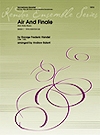
S1011: Air and Finale (from Water Music) for Saxophone Quartet (AATB) by George Frideric Handel arranged by Andrew Balent. Kendor, 2014, includes parts and score. The publisher wrote "Ideal for all performance settings and programs, this edition features the graceful Air and the rousing Finale from George Frederic Handel’s famous Water Music. The difficulty falls well within the grade 3 range [on the upper end in my opinion], and the scoring lies perfectly for all players. Total duration 3:25." Click on the cover image to view the first page two pages of the score. |
11.50
|

|
S942: Arrival of the Queen of Sheba (Arrivé de la Reine de Sabbat) for Saxophone Quartet (SATB) by George Frideric Handel (Georg Friedrich Händel) edited by Jean-Yves Fourmeau. Billaudot, 1991, SS, includes parts and score. This is from the oratorio Solomon and that written in 1748. Most of the melody is in the soprano part but the alto (often together with the soprano or the tenor) also has the melody in some sections. Advanced high school/early college level. The duration is about 2:45. Click on the cover image to view the first page of the score. |
17.95
|
|
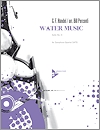
S976: Water Music Suite No. II for Saxophone Quartet (SATB) by George Frideric Handel (Georg Friedrich Händel) arranged by Bill Perconti. Advance Music, 2011, SS, includes parts and score. There are five movements: Allegro, Hornpipe, Minuet, Letement, and Bourree. High school level. Click on the cover image to view the first page of the score. |
25.95
|
|
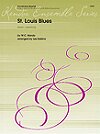
S686: St. Louis Blues Saxophone Quartet (SATB) by W.C. Handy arranged by Les Sabina. Kendor Music, 2011, includes score and parts. A medium fast swing arrangement of this very popular piece which was originally published in 1914. The publisher rates it at (US) grade 5. |
12.50
|

|
S1080: Boogie Woogie Bari Boy for Saxophone Quartet (SATB/AATB) by Ed Harlow. Advance Music, 2006, SS, includes score and parts. A fast boogie woogie shuffle featuring the barione saxophone. Better high school level quartets and up. Here is a video. Click on the cover image to view the first page (of three) of the bari sax part. |
21.95
|
|
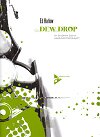
S719: Dew Drop Saxophone Quartet (AAAA/AATT) by Ed Harlow. Advance Music, 2010, SS, includes score and parts. Dew Drop is a fun, easy swinging tune for 2nd - 4th year sax players. It is scored for four alto saxes with an additional two tenor parts that can be substituted for altos 3 and/or 4. It also may be useful for woodwind methods classes. Click on the cover image to view the first page of the score. |
17.95
|
|
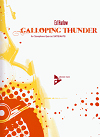
S650: Galloping Thunder Saxophone Quartet (SATB/AATB) by Ed Harlow. Advance Music, 2010, SS, includes score and parts. The distributor described this piece as "A Chinese-styled barn burner for the advanced saxophone quartet, this intensely paced crowd pleaser features fast action for all players. Showcasing strong technique and solid ensemble cohesion, it's a great piece to close out a concert program." Advanced high school/early college level. |
18.95
|
|
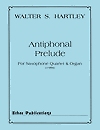
S1055: Antiphonal Prelude for Saxophone Quartet (SATB) and Organ by Walter S. Hartley. Ethos Publications, 1991, SS, includes parts and organ score. Walter S. Hartley (1927-) is an American composer and music educator. Maestoso tempo (slightly slower at the end). The final note for the soprano and alto saxophones is in the extended altissimo range. This is part of a set of three pieces for saxophone quartet and organ (see below). |
15.95
|
|
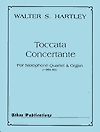
S1056: Toccata Concertante for Saxophone Quartet (SATB) and Organ by Walter S. Hartley. Ethos Publications, 1991, SS, includes parts and organ score. Allegro tempo. College level. |
15.95
|
|
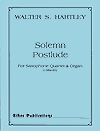
S1057: Solemn Postlude for Saxophone Quartet (SATB) and Organ by Walter S. Hartley. Ethos Publications, 1991, SS, includes parts and organ score. Largo tempo. Optional phrases into the high altissimo for all saxophones. |
15.95
|
|
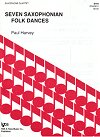
S338: Seven Saxophonian Folk Dances for Saxophone Quartet (SATB) by Paul Harvey. Neil A. Kjos Music Co., 1976, (parts only). From the mythical land of Saxophonia (where the main industry is Arundo donax) come these seven dances. They are 1. Dance of Welcome, 2. Virgins' Dance, 3. Mating Dance, 4. Funeral Dance, 5. Cane-Cutting Dance, 6. Cane-Seasoning Dance, and 7. Dance of the New Reeds. College level. I have played this and most of the dances are very good. A real bargain also. |
6.50
|
|
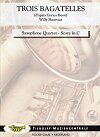
S628: Trois Bagatelles (d'après Enrico Bossi) for Saxophone Quartet (S/AATB) freely arranged by Willy Hautvast. Tierolff Muziekcentrale, SS, includes parts and score. Enrico Bossi (1861-1925) is described by Willy Hautvast as an Italian composer who didn't become very famous. Nevertheless, Hautvast thought these three short piano pieces were perfect for saxophone or clarinet quartets. Part 1 is a joyous, frivolous Allegro. Part 2 is a solemn, somewhat melancholy Andante. Part 3 is a cheerful scherzo-like Finale. Better high school quartets and up with a duration of about 8 minutes. |
31.95
|
|
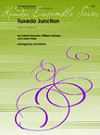
S829: Tuxedo Junction for Saxophone Quartet (AATB) by Erskine Hawkins, William Johnson and Julian Dash arranged by Les Sabina. Kendor Music, 1940/2010, SS, includes parts and score. This big band classic made famous by the Glenn Miller Orchestra in 1939 is presented here in a quartet setting that retains all the excitement of the swing era. Bluesy riffs, walking bass lines and tight section harmonizations are all included. Publisher's (US) grade 4 with a duration of 2:45. Click on the cover image to view the two pages of the score. |
14.50
|
|
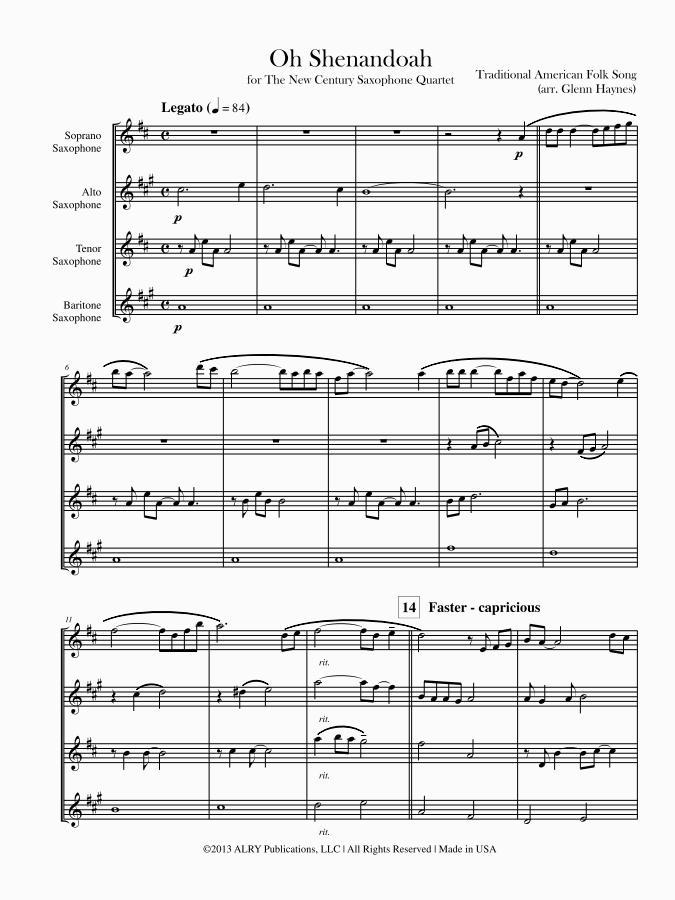
S1093: Oh Shenandoah for Saxophone Quartet (SATB) Traditional arranged by Glenn Haynes. Alry Publications, 2013, SS, includes parts and score. One of the most famous American Folk Tunes, Oh Shenandoah dates back to the early 19th century. Here it has been arranged for The New Century Saxophone Quartet and uses rich harmonies to create a calm and reflective mood. High school level and up. Click on the cover image to view the first page of the score. (Except other items with free shipping.) |
16.95
|
|
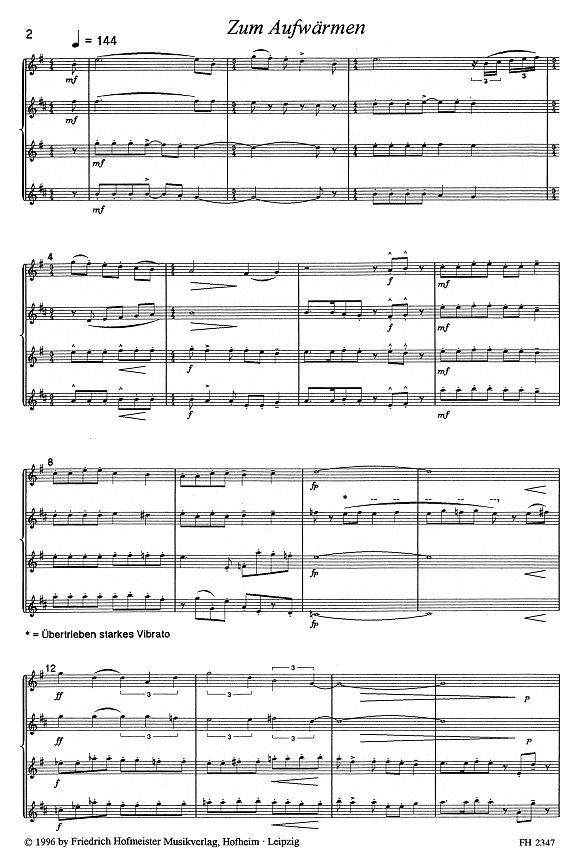
S1069: Presto, Presto, 3 Jazz Inspired Miniatures for Saxophone Quartet (SATB) by Walter Thomas Heyn. Hofmeister, 1996, SS, includes parts and score. Walter Thomas Heyn (1953-) is a German guitarist, composer and music producer. The three pieces are: Zum Aufwärmen (warm up); Ballade zu viert (ballade for four); and Presto, Presto. College level/early college level. Click on the cover image to view the first page of the score. |
25.95
|
|
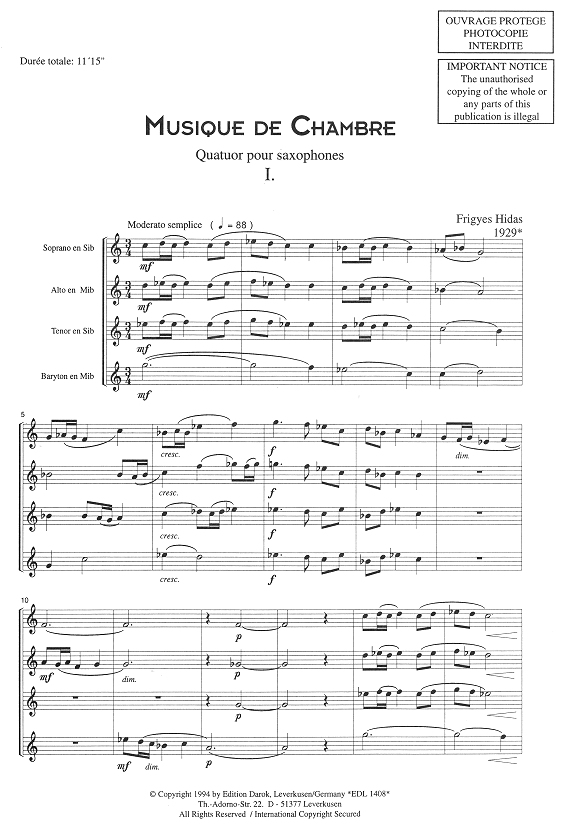
S1320: Musique de Chambre for Saxophone Quartet (SATB) by Frigyes Hidas. EditionDarok, 1994, SS, includes parts and score. Frigyes Hidas (1928-2007) was a Hungarian composer who was a theatre director and whose output covers many genres. He was especially noted for his contemporary changer music and wind band music. This piece is in four movements: I. Moderato semplice, II. Allegro, III. Largo, and IV. Animato. Duration of 11:15. College level/early college level/advanced high school level. Click on the cover image to view the first page of the score. |
22.95
|
|
S689: Suite of Old American Spirituals Saxophone Quartet (SATB) by Brad Howey. Advance Music, 2010, SS, includes score and parts. Includes: Great Day, What Yo’ Gwine Do When Yo’ Lamp Burn Down, By An’ By (I’m Gwinter Lay Down My Heavy Load), Deep River, Heav’n Boun’ Soldier, and Great Day (Reprise). The publishers web site says "Suite of American Spirituals is a delightful journey through one of America's most important musical contributions: the American Spiritual." These are not particularly difficult and should be good for a high school quartet or others who need a piece from this genre. |
19.95
|
|
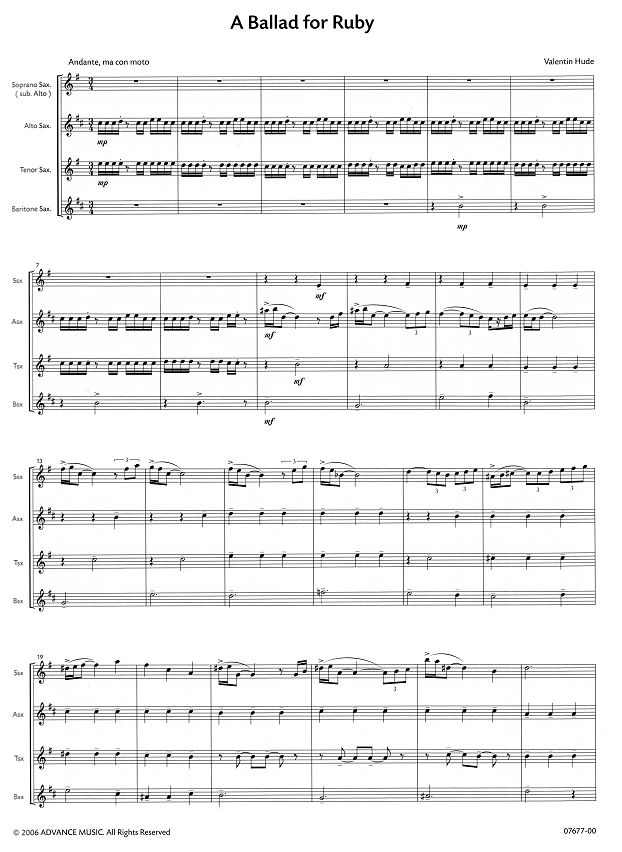
S1084: A Ballad for Ruby Saxophone Quartet (SATB/AATB) by Valentin Hude. Advance Music, 2006, SS, includes score and parts. At an Andante, ma con moto tempo this piece features a contrast between the intermittent rhythmic background and the song like melody. Better high school quartets and up. Click on the cover image to view the first page of the score. |
15.95
|
|
S603: Idea in Latin Saxophone Quartet (SATB/AATB) by Valentin Hude. Advance Music, 2009, SS, includes score and parts. An original piece with a Latin jazz feel. The baritone sax has an important role. The alternate part for alto sax instead of soprano sax is quite high (up to altissimo G). Advanced high school level. |
17.95
|
|
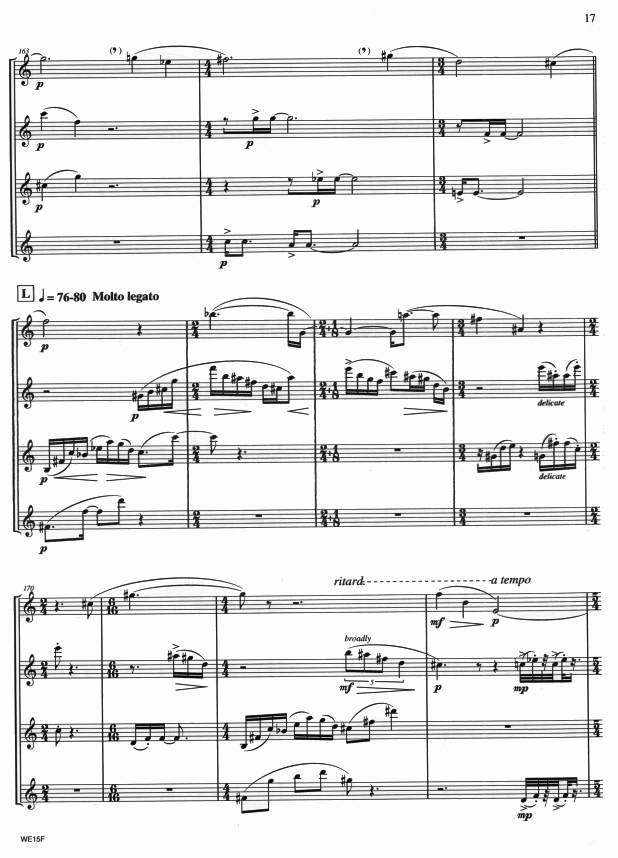
S907: Paradigm Lost for Saxophone Quartet (SATB) by Lee Hyla. Carl Fischer, 2005/2012, SS, includes score and parts. Paradigm Lost is in one continuous movement and explores the contrast between quiet, delicate, recessive music, and more aggressive takes on what, down deep, is similar material. The attempts to resolve these different takes, or the failure to resolve them, are at the heart of the piece. As the music progresses, the quartet divides into various duo and solo/trio combinations in which the recurring thematic materials are heard in changing contexts. There are many tempo changes and odd meters (such as 2/4 + 1/8) are common. Dedicated to the Prism Quartet. College level with a duration of 12 minutes. Click on the cover image to view a page from the middle of the score. |
24.95
|
|
S649: Avocado for Saxophone Quartet (AATB) by Klaus Ignatzek arranged by Frank Reinshagen. Advance Music, 2010, SS, includes score and parts. This calypso by Klaus Ignatzek is meant to musically portray the optimism and zest for life that's common among Caribbean people. Early college level with short solos (written out but with the changes) for each part. |
17.95
|
|
S927: Echolocation for Saxophone Quartet (SATB) by Takuma Itoh. Resolute Music Publications, 2012, SS, includes score and parts. Takuma Itoh (1984) is a Japanese-American composer. The composer wrote: "Echolocation is a piece that was inspired by sounds created by some simple electronic music techniques, most notably, the delay effect. The delay effect, in which the initial sound is played back at fixed intervals with a decay in the loudness, creates a simple "echo" effect. . . . I attempted to recreate this acoustically using just the saxophone quartet, and used this initial idea as the recurring "theme" of the piece. The rhythms resulting from attempting to recreate the delay effect are extremely complicated . . ." Includes light slap tonguing, key clicks and some multiphonics (although they aren't a major part of the piece). This is an advanced piece with a duration of about 8:30. There is an audio recording here. Click on the cover image to view excerpts from the score (transposed to concert key). |
44.95
|
|
S513: First Saxophone Quartet (SATB) by Gordon Jacob. Emerson Edition, 1974, (includes score and parts). Written for the London Saxophone Quartet. In four movements: I. Allegro moderato, II. Scherzo - Allegro molto/Trio alla Musette, III. Adagio molto, and IV. Alla marcia, con spirito. When this was written Paul Harvey said, "It is unique in that it is only saxophone quartet of major proportions and universal appeal by a British composer." Early college level. |
21.95
|
|
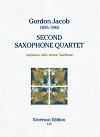
S514: Second Saxophone Quartet (SATB) by Gordon Jacob. Emerson Edition, 1979, (parts only). Written for the London Saxophone Quartet. In four movements: 1. Moderato/Allegro moderato, 2. Adagio, 3. Allegro moderato, and 4. Larghetto/Allegro. Slightly more dissonant in style than the First Saxophone Quartet, the composer considered it to be one of his best works. Early college level. |
24.95
|
|
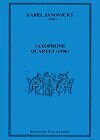
S301: Saxophone Quartet (SATB) by Karel Janovický. Rosewood, 2006, (includes score and parts). Karel Janovický (1930-) is a Czech born composer who has lived and worked in Britain since age 20. This quartet was written for the Bohemian Saxophone Quartet who gave the first performance in Prague in 1997. Handel's Arrival of the Queen of Sheba was the inspiration for the first movement (Celebration). In the second movement (Adagio in a Garden), the soprano saxophone colors the nocturnal setting with some soft cries of a little bird. The quartet concludes with a lively Rondo. Advanced college/professional level. |
19.95
|
|
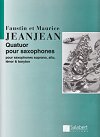
S493: Quatuor pour Saxophones (SATB) by Faustin and Maurice Jeanjean. Salabert, 1949, (includes score and parts). Dedicated to the saxophone quartet of the Garde Républicain. In four movements: I. Gaieté Villageoise (Allegro non troppo), II. Doux Paysage (Andantino calme), III. Papillons (Scherzo) (Allegro vivo in 1), IV. Concert sur la Place (Humoristique) (Allegro). This is an enjoyable saxophone quartet at the early college level with a duration of about 11:30. |
41.95
|
|
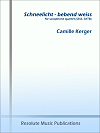
S928: Schneelicht - bebend weiss for Saxophone Quartet (SSSS doubling SATB) by Camille Kerger. Resolute Music Publications, 2012, SS, (includes score and parts). Composer Camille Kerger (1957-) is from Luxembourg. He studied there and in Germany and has performed as a trombonist and lyric tenor. Commissioned by and dedicated to the Amstel Saxophone Quartet. Beginning with 4 sopranos, Kerger deftly weaves a continuous pattern through the entire group. Elements of duos and trios appear as performers eventually shift to a traditional SATB setting. The title, loosely translated as Light Snow - Quivering White, is aptly applied. The appropriate and very musical application of dissonance is reminiscent of Vivaldi's "Winter" from The Four Seasons. This is a highly effective piece, wonderfully written and something audiences will remember for all the right reasons! Performance considerations include the use of bisbigliando, altissimo and multiphonics in the sax 2 part (on alto sax with fingerings given). Total performance time is about 7:30. Here is an audio file of a live performance. |
46.95
|
|
S618: As with Gladness, Men of Old for Saxophone Quartet (SATB) by Conrad Kocher arranged by Bill Perconti. Advance Music, 2009, (includes score and parts). The lyrics for this Christmas carol were written by Englishman William Dix (1837-1898) in the 1860s, reportedly on the day of the Epiphany while Dix was sick in bed. The tune was included in a collection of German chorales edited by Conrad Kocher and published in the 1830s. As a testimony to the flexibility of such music, the hymn is also sung during Thanksgiving under the title For the Beauty of the Earth. This arrangement for saxophone quartet, rather than favoring a soprano solo with accompaniment, strives to include all the players in the music making. Intermediate level. |
15.95
|
|
S273: Five Sketches for Saxophone Quartet (SATB) by Paul Kont. Doblinger, 1993, (includes score and parts). Paul Kont (1920-2000) was an Austrian composer who wrote a wide range of work including, opera, symphonies, and film music. The five sketches in the quartet are: Free Matches (Allegro Vivace), Austrian Melancholy, Silly Cilli, Late Holidays, and Playboy of the Southern World. Early college level with the main challenges being rhythmic. Low A baritone sax suggested. |
30.95
|
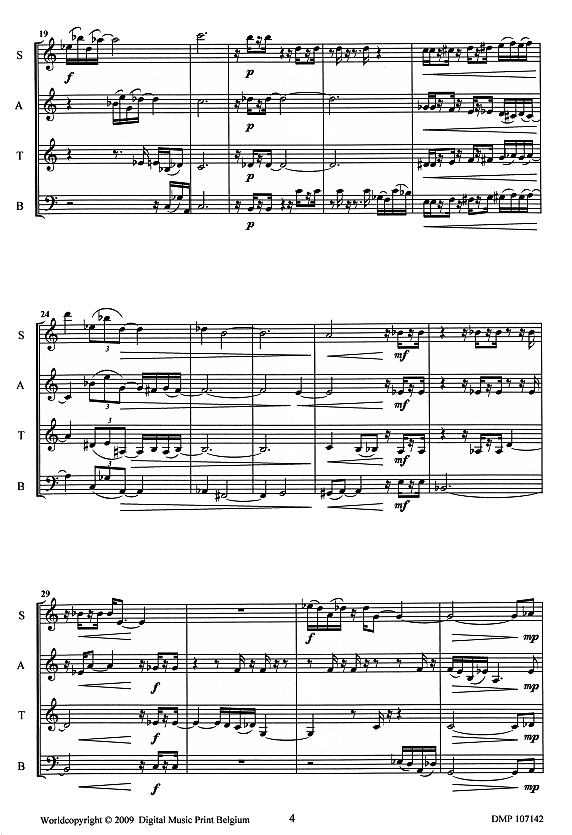
|
S1042: Pyriet for Saxophone Quartet (SATB) by Annette Kruisbrink. Digital Music Print, 2009, SS, includes parts and score. Annette Kruisbrink (1958-) is a Dutch classical guitarist and composer. The title is the Dutch spelling for pyrite (fool's gold) but I have no idea why. Sectional in a slow/fast/slow/fast format. College level. Click on the cover image to view the second page of the score which is in concert pitch. |
29.95
|
|
S214: Andante et Scherzetto for saxophone quartet (SATB) by Pierre Lantier. Billaudot, 1941, (includes parts and score). Pierre Lantier (1910-1998) was a French composer who won the Prix de Rome in 1937. This looks like an interesting quartet. The Andante is in 6/4 with quarter note = 84 while the Scherzetto is in 6/8 with a dotted quarter = 176. College level with the tempo of the last movement being the primary technical challenge. |
43.95
|
|
S1153: Boogie Blues for Saxophone Quartet (SATB) by Alan Lawson. Alan W. Lawson, 2015, SB, includes parts and score. This toe tapper is an up tempo tune in the Benny Goodman swing style with the instruments trading lines back and forth. Click on the cover image to view the first three pages of the score. |
19.95
|
|
S1154: Happiness Is for Saxophone Quartet (SATB) by Alan Lawson. Alan W. Lawson, 2015, SB, includes parts and score. This original is a nice jazzy piece to play. Fun for all with a solid written out soli, a bouncy melody and a Count Basie style ending. In 4 with a two beat shuffle feel (mm=104). Here is a performance of this work with the composer siting at left. Click on the cover image to view the first three pages of the score (it is eight pages long and doesn't end at page 3 as the .pdf file suggests). |
19.95
|
|
S1209: Jingle Bells/Twinkle Twinkle for Saxophone Quartet (SATB) by Alan Lawson. Alan W. Lawson, 2015, SB, includes parts and score. A jazz version of Jingle Bells created by Alan Lawson. Click on the cover image to view the first three pages of the score. |
19.95
|
|
S1185: Marianna's Waltz for Saxophone Quartet (SATB) by Alan Lawson. Alan W. Lawson, 2015, SB, includes parts and score. An original jazz waltz with mm=184 but with an in one feel. Fun to play. Here is a version of this piece played by a string quartet. |
24.95
|
|
S1186: Not Another Blues for Saxophone Quartet (SATB) by Alan Lawson. Alan W. Lawson, 2015, SB, includes parts and score. A medium tempo (mm=120) blues in swing style with a jazz canon in the middle for interest. Solo and soli sections are written out but there are also chord symbols in the solo in the tenor part for an optional ad lib solo. Here is a recording of this piece played by a clarinet quartet. |
24.95
|
|
S1194: Slop for Saxophone Quartet (SATB) by Alan Lawson. Alan W. Lawson, 2015, SB, includes parts and score. The composer has described this as a "country kickin' tune written for all those piggies snortin' in their pens and waiting for judgment day." Here is a performance of this work with the composer siting at left. Click on the cover image to view the first three pages of the score. |
24.95
|
|
S1155: Something Nicer for Saxophone Quartet (SATB) by Alan Lawson. Alan W. Lawson, 2015, SB, includes parts and score. This original tune is a nice sounding rock ballad (mostly mm=88). It has short solo passages for all players and a double-time rock canon. Click on the cover image to view the first three pages of the score. Here is a version of this piece played by a string quartet. Notes are the same. |
19.95
|
|
S1156: Struttin' for Nuttin' for Saxophone Quartet (SATB) by Alan Lawson. Alan W. Lawson, 2015, SB, includes parts and score. This toe tapper is a country hoedown for the enjoyment of the listeners and the players. A few technical spots but not too fast at mm=96. Click on the cover image to view the first three pages of the score. Click here to listen to a performance of this work. |
19.95
|
|
S1157: Sympathy for the G Minor for Saxophone Quartet (SATB) by Alan Lawson. Alan W. Lawson, 2015, SB, includes parts and score. Mozart wrote his Symphony No. 40, KV 550 in July 1788, two years before his death. This version has a swinging jazz section in the middle and a written out blues solo (with the changes for ad-libbing if desired) in the soprano sax part. Click on the cover image to view the first three pages of the score. |
24.95
|
|
S1195: Thirteen of Nine for Saxophone Quartet (SATB) by Alan Lawson. Alan W. Lawson, 2016, SB, includes parts and score. A straight ahead hard core jazz piece with a challenging melodic line. In the Be Bop tradition and fun for all players. Fast Swing. A short written out solo with chords for optional ad lib in the soprano sax part. Click on the cover image to view the first three pages of the score. |
24.95
|
|
S1210: We Wish You a Merry Christmas for Saxophone Quartet (SATB) by Alan Lawson. Alan W. Lawson, 2016, SB, includes parts and score. This carol with origins in the16th century is presented here as a jazz waltz. Click on the cover image to view the first two pages of the score. (Except other items with free shipping.) |
19.95
|
|
S1158: When Steam Was King for Saxophone Quartet (SATB) by Alan Lawson. Alan W. Lawson, 2015, SB, includes parts and score. Hear the steam engines lament as the listener is transported back to riding the rails in the 19th century. In cut time and swing style marked Presto (mm=112). Here is a version of this piece played by a clarinet quartet. Notes are the same. Click on the cover image to view the first three pages of the score. |
19.95
|
|
S659: Bb-Flat-A-Loogo for saxophone quartet (SATB/AATB) by Peter Lehel. Advance Music, 2010 (includes parts and score). Peter Lehel (1965-) is a German jazz saxophonist and composer. Bb-Flat-A-Loogoo is a boogaloo to be played in straight eighths. It has the form of a classic 12-bar blues and is written in Bb concert pitch, a key most frequently used in sessions. Solo parts may be inserted to provide for additional opportunities for improvisation. During improvisation, the baritone saxophone goes on performing the notated bass figure whereas the remaining three voices can play over the 12-bar blues pattern. Improvising alternately by trading fours might even enhance the attraction of the composition. |
17.95
|
|
S660: Cuel Bloo for saxophone quartet (SATB/AATB) by Peter Lehel. Advance Music, 2010 (includes parts and score). This fun-loving hip-hop composition is based on simple triplet motifs and sounds best when played in a relaxed manner. Players may perform the solo section freely, and it may be extended for additional solos if desired. |
17.95
|
|
S703: Eddie Who? for saxophone quartet (SATB/AATB) by Peter Lehel. Advance Music, 2011, SS, (includes parts and score). This piece for saxophone quartet is reminiscent of the great groove master, tenor saxophonist Eddie Harris. He was a very independent minded and highly esteemed multi-instrumentalist whose music combined blues, jazz and rock elements. Chord symbols in the first part. Four bars of 7/8. Excellent high school quartets and up. |
17.95
|
|
S696: Funk-A-Lot for saxophone quartet (SATB/AATB) by Peter Lehel. Advance Music, 2011 (includes parts and score). Believe it or not "Funk-A-Lot"” is based on an old Hungarian traditional melody. Good for working on rhythms using 16th notes. Some suggestions for improvisation are given. College level. |
17.95
|
|
S884: Shades of Light for saxophone quartet (SATB/AATB) by Peter Lehel. Advance Music, 2011, SS, (includes parts and score). Shades of Light is a very serene latin pop jazz piece featuring a cantabile, lyrical melody. The composition was inspired by Sade, who was very popular as a singer in the 1980’s. The melody calls for a cool and mellow execution. The solo part should be interpreted in a rhythmically pointed and groovy manner. Early college level with optional solos for the first part. Here is an audio sample from the beginning of the piece. Click on the cover image to view the first page of the score. |
17.95
|
|
S832: Shuffle, Shuffle for saxophone quartet (SATB/AATB) by Peter Lehel. Advance Music, 2011, SS (includes parts and score). This is a shuffle blues based on a 24 bar blues with a slightly extended harmonic structure. There are chord symbols on both of the first parts for optional solos. Early college level. Here is an audio sample from the beginning of the piece. Click on the cover image to view the first page of the score. |
17.95
|
|
S527: When I'm Sixty-Four by John Lennon & Paul McCartney arranged for Saxophone Quartet (SATB or AATB) by Ramon Ricker. Kendor Music, 1967. A Beatles' classic arranged for saxophone quartet. Publisher's (US) grade 4. (Except other items with free shipping.) |
11.95
|
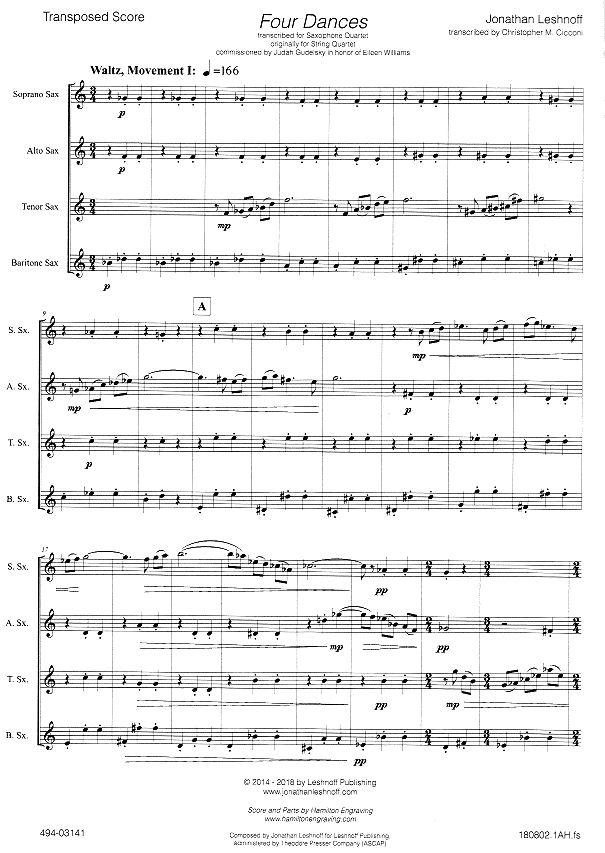
|
S1290: Four Dances for Saxophone Quartet (SATB) by Jonathan Leshnoff transcribed by Christopher Cicconi. Jonathan Leshnoff Publishing, 2014/2018, SS, includes parts and score. Jonathan Leshnoff (1973-) is an American composer and pedagogue. This piece was originally composed for string quartet but is very effective for saxophone ensemble. In four movements: Waltz, Pavane, Chas Tanz, and Furlana. You can listen to excerpts on this page. Click on the cover image to view the first page of the score. |
44.95
|
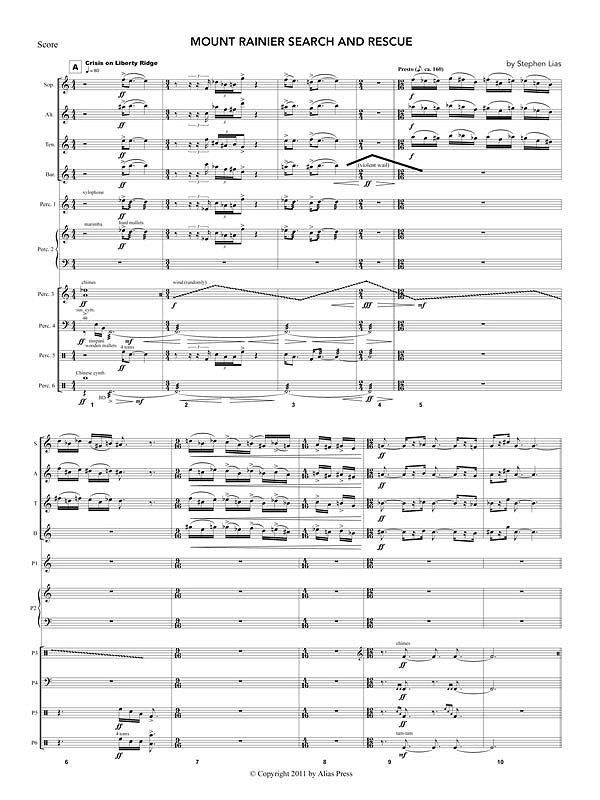
|
S1269: Mount Rainier Search and Rescue for Saxophone Quartet (SATB) and Percussion Ensemble by Stephen Lias. Alias Press, 2011, SS, includes parts and score. While this piece uses a standard saxophone quartet the percussion ensemble is extensive: Percussion 1 (Xylophone, Vibraphone, Suspended Cymbal, Sizzle Cymbal), Percussion 2 (Marimba, Maracas, Suspended Cymbal), Percussion 3 (Chimes, Sampler, Triangle, Suspended Cymbal, Timbales, Crash Cymbals), Percussion 4 (Suspended Cymbal, Timpani, Anvil, Cymbal) Percussion 5 (Chimes, Suspended Cymbal, Tom-Tom, Snare Drumbells), Percussion 6 (Ride Cymbal, Cymbal, Bass Drum, Tom-Tom, Tam-Tam). The score suggests that percussion 1 and 2 be doubled. Lias' musical tale of a heroic rescue attempt high up the majestic Mount Rainier was inspired by actual events in 2004. The music reflects the all-too-common desperation, cries for help, and heroism (often futile) engendered by disasters, both personal and regional. A hugely dramatic work for advanced performers. You can listen to excerpts here. Click on the cover image to view the first page of the score. |
49.95
|
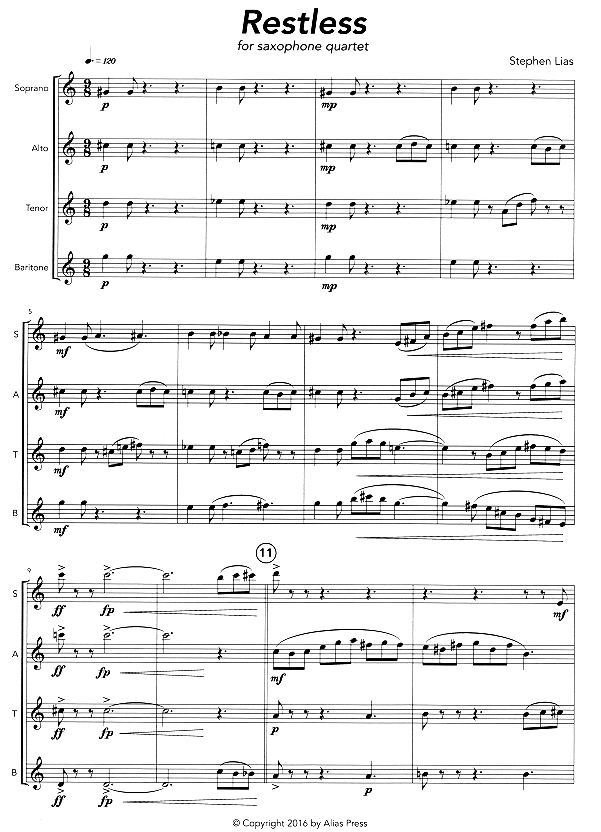
|
S136: Restless for Saxophone Quartet (SATB) by Stephen Lias. Southern Music Co., 2006, SS, includes score. Stephen Lias (1966-) has written music for a variety of settings including theatrical incidental music and other saxophone quartets. Restless is in three sections beginning with a moderately fast section in 9/8, a middle section (Slowly) in 3/4, and accelerating to the original tempo for the conclusion. Duration about 4:38. Early college or advanced high school level. Click on the cover image to view the first page of the score. Note: we have a newer printing of this piece which costs more than twice as much. One copy of this edition is left. |
9.95
|
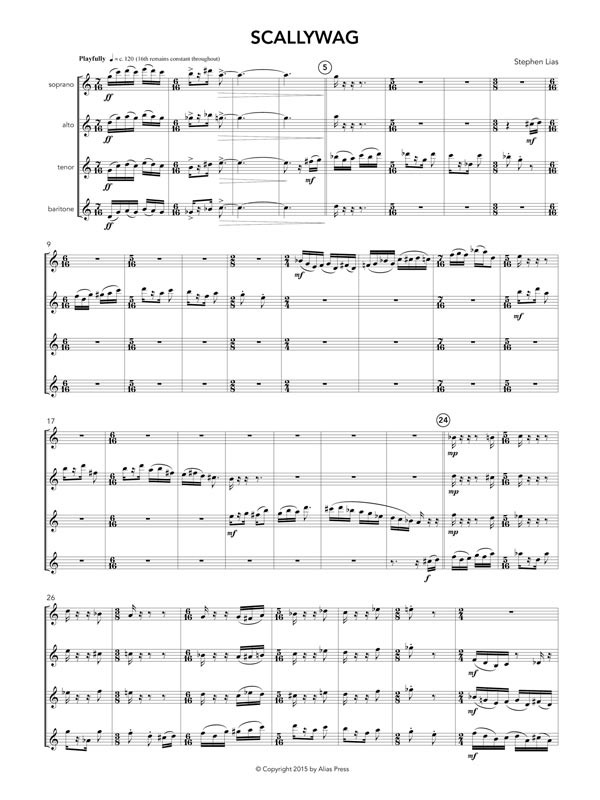
|
S1250: Scallywag for Saxophone Quartet (SATB) by Stephen Lias. Alias Press, 2015, SS, includes parts and score. For the Oasis Quartet, Lias composed this five-minute exploration of the saxophone quartet, Scallywag. A little bit raucous at the beginning, Scallywag becomes a quietly rhythmic interplay building up to flying fingers of tight ensemble playing and an extension of the opening waggish passages. For advanced performers. Here is a video, Click on the cover image to view the first page of the score. |
26.95
|
|
S640: Sech Bagatellen for Saxophone Quartet (SATB) by György Ligeti arranged by Fabio Oehrli. Schott, 2007, SS, (includes parts and score). This work is an arrangement of the Ligeti version for woodwind quintet (listed here) which is itself an arrangement (1953) of a larger piano work from that period. It still sounds fresh after more than 50 years. The six bagatelles are I. Allegro con spirito, II. Rubato, Lamentoso, III. Allegri grazioso, IV. Presto ruvido, V. Béla Bartók in memoriam (Adagio, Mesto), and VI. Moto vivace, Capriccioso. There are notes in the altissimo register, especially for the soprano but also in the alto and tenor parts. Advanced college/professional level with a duration of about 13 minutes. |
34.95
|
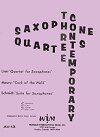
|
S551: Three Contemporary Saxophone Quartets (SATB) by Robert Linn, Lou Maury, and William Schmidt. Avant Music (Western International Music), 1963, (includes parts and score). Here are three saxophone quartets which are unrelated except by their date of publication and their composers' Los Angeles location when they were written. Robert Linn's Quartet for Saxophones is in three movements: 1. Allegro con brio, 2. Poco Adagio (theme and variations), and 3. Vivo. Lowndes (Lou) Maury's Cock of the Walk is a sectional piece in fast/slow/fast format. William Schmidt's Suite for Saxophones has five movements: Prelude (Lento), Capriccio (Allegro con brio), Pavane (Grave), Galliarde (Allegro Scherzando), and Finale (Pesante/Allegro moderato/Peasante). The publisher rates this as (US) grade 4. |
24.95
|
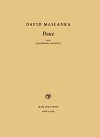
|
S981: Peace for Saxophone Quartet by David Maslanka. Maslanka Press, 2012, SS, includes performing score. This is a brief (2:10) piece at a slow tempo which was written for the Masato Kumoi Saxophone Quartet. There is one copy of the 2 page "performing" score. Using the score will help the ensemble.
(Except other items with free shipping.) |
8.95
|
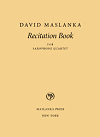
|
S887: Recitation Book for Saxophone Quartet (SATB) by David Maslanka. Maslanka Press, 2006, SB/SS, (includes parts and score). David Maslanka (1943-) is an American composer who studied with Joseph Wood at the Oberlin College Conservatory and H. Owen Reed at Michigan State. He is especially known for his works for winds and percussion. The composer loves Italian madrigals and says this quartet feels something like a madrigal collection but with a grand finale. There are five pieces: (1) Broken Heart: Meditation on the chorale melody “Der du bist drei in einigkeit” (You who are three in one), (2) Prelude/Chorale: Meditation on the chorale melody “Jesu meine Freude” (Jesus my joy), (3) Ecco moriro dunque (Look! My Death is Near!) by Gesualdo di Venosa, 1596, (4) Meditation on the Gregorian Chant “O Salutaris Hostia” (O Salvation’s Victim), and (5) Fanfare/Variations on the chorale melody “Durch Adams Fall” (Through Adam’s fall). Advanced college/professional level with a duration of about 24:30. There is some high altissimo in the soprano part. There are several videos of movements of this piece on YouTube. Here is the last movement played by the Amethyst Quartet. |
48.95
|
|
S886: Songs for the Coming Day for Saxophone Quartet (SATB) by David Maslanka. Maslanka Press, 2012, SS, (includes parts and score). Another substantial (duration of 47:30) quartet by Maslanka. The movements are: I. At This Time, II. Breathing, III. Awakening, IV. For the Dead, V. Letting Go of the Past, VI. The World is New, VII. When I cannot love I wait for morning, VIII The soul is here for its own joy, and IX. Song for the Coming Day. The score includes a program note and notes on performance. While this is a college level work, only movement 8 is especially difficult. Range to altissimo A in the soprano part and A-flat in the alto part. |
88.95
|
|
S1217: Broadway Suite for Saxophone Quartet (SATB) by Jean Matitia. Resolute Music Publications, 2017, SS, includes parts and score. A fantastic new saxophone quartet, written in a style reminiscent of Gershwin, Joplin, or early Broadway theater. Dedicated to the Ellipsos Quartet. Sectional with mixed meter. For advanced quartets. Approximate duration is 12 minutes. Click here to view a performance by the dedicatees. |
48.95
|
|
S1086: That Old Black Magic by Johnny Mercer and Harold Arlen arranged for Saxophone Quartet (SATB/AATB) by Jeff Jarvis. Kendor Music Inc, 1942/2002, includes parts and score. This classic Harold Arlen and Johnny Mercer standard from the Paramount picture Star Spangled Rhythm is perfect for lighter chamber music programming or an encore. It features jazz writing in an accessible, yet interesting setting that includes solid jazz voicing, fun rhythms, and a few metric shifts for added appeal. US grade 4 with a duration of 2:30. Click on the cover image to view the first two pages of the score. |
11.50
|
|
S1051: Quartet #1 In Three Movements for Saxophone Quartet (SATB) by Bob Mintzer. Kendor Music, 1995, (includes parts and score). Commissioned by The Apollo Saxophone Quartet of Manchester, England. This contemporary concert piece is in three movements: I. Allegretto, II, Slowly, and III. Allegro. It includes several short, exposed solos for all and an alto cadenza near the end of the second movement. Duration 9:40. Here is a performance of the first movement from YouTube. Click on the cover image to view the first two pages of the score. |
15.95
|
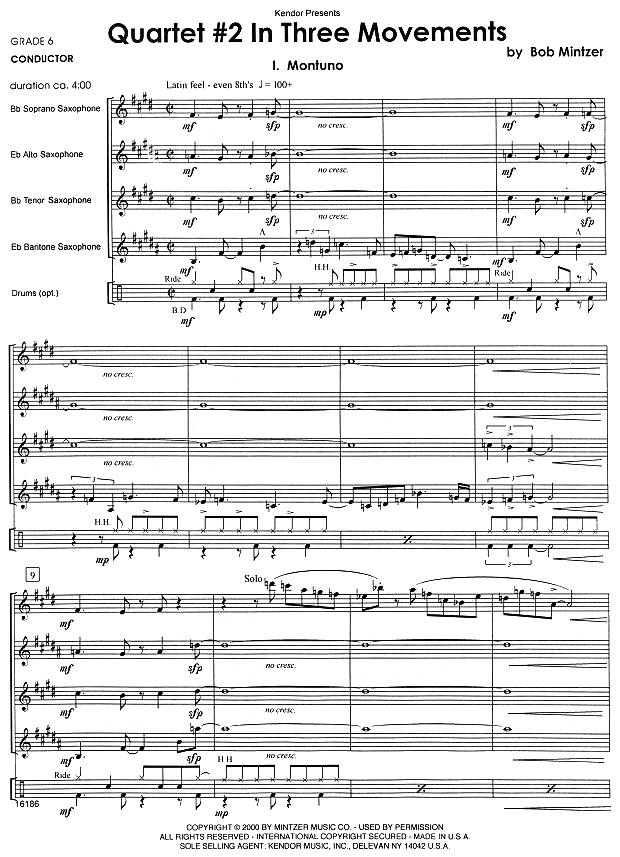
|
S1052: Quartet #2 In Three Movements for Saxophone Quartet (SATB) and optional drum kit by Bob Mintzer. Kendor Music, 2000, (includes parts and score). Commissioned by the Oslad Saxophone Quartet, this Mintzer opus combines classical components and modern styles. The first movement, Montuno, has a Latin feel. By contrast, Gently is slow and expressive. The final movement, Mosaic, features even-8th figures. Whether or not the optional drum set part is used, Bob says the sax players will need to think like drummers to achieve a sense of swing and forward momentum. Duration 12:45. Click on the cover image to view the first page of the score. |
23.50
|
|
S1053: Quartet #3 for Saxophone Quartet (SATB) by Bob Mintzer. Kendor Music, 2001, (includes parts and score). In four-movements: 1. Contraption (Machine-like), 2. Serenity (Slowly), 3. Introspection (March-like), and 4. Jubilation (Vivace). This work is an impressive blend of the French saxophone quartet tradition, American R&B grooves, and jazz harmonies. It all comes together for a sensational piece for proficient quartets. Total duration 14:00. Click on the cover image to view the first page of the score. |
20.95
|
|
S1064: Sonata for Saxophone Quartet (SATB/AATB) by Bob Mintzer. Kendor Music, 1997, (includes parts and score). This contemporary original for experienced players consists of four movements in contrasting styles. The first is a spirited theme with multiple meter shifts (4/4, 3/4, 9/8), the second is an expressive ballad, the third is a cheery tune in 6/8, and the fourth combines energetic and lyrical themes in ABA form. All of them can be played as single selections if desired. Total duration 8:50. Click on the cover image to view the first two pages of the score. |
15.50
|
|
S1054: Three Pieces for Saxophone Quartet (SATB) by Bob Mintzer. Kendor Music, 2005, (includes parts and score). The three movements of this quartet are in different styles: 1. Swingin' (Swing feel), 2. Softly (Adagio), and 3. Funkification. There is an extended alto cadenza in the second movement. College level (especially the alto cadenza) with a duration of 10:40. Click on the cover image to view the first two pages of the score. |
19.95
|
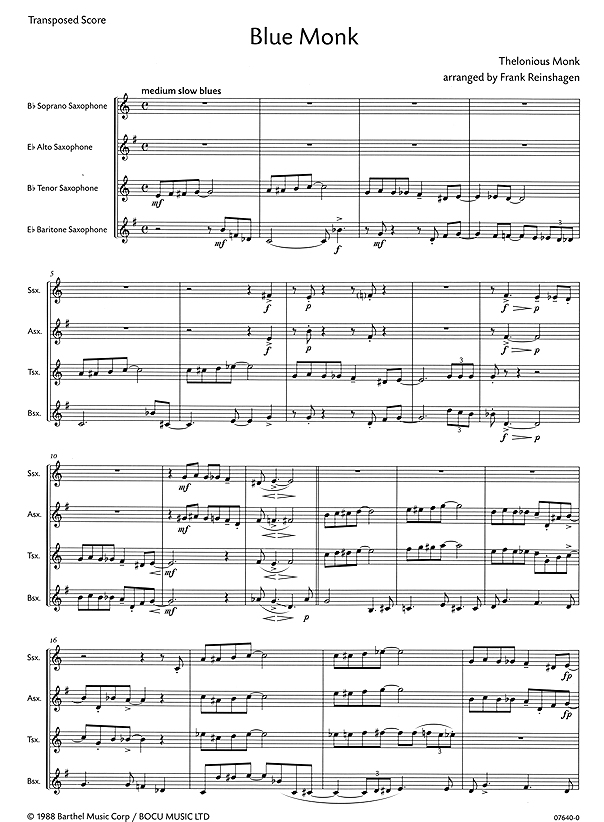
|
S1065: Blue Monk for Saxophone Quartet (SATB/AATB) by Thelonious Monk arranged by Frank Reinshagen. Advance Music, 1988, (includes parts and score). A very nice arrangement of this piece. It is a medium slow blues. The soprano sax has a 24 bar solo in the middle of the piece. The main part has chord changes but there is also a written out version of the solo. Here is a performance with a AATB quartet and here is one with a SATB ensemble. Click on the cover image to view the first page of the score. |
21.95
|
|
S970: Csardas for Saxophone Quartet (SATB) by Vittorio Monti arranged by Béla Kovács. EditionDarok, 1994, SS, (includes parts and score). In this arrangement by Kovács, the familiar Czardas (originally for violin or mandolin and piano) becomes a showpiece for saxophone quartet. It begins with an emotive Largo and then launches into Allegro vivace which has a contrasting Molto meno before returning to a fast tempo, then Allegretto and concluding Piu presto. The alto saxophone has the melody in the Largo with the soprano taking the lead for the rest of the piece.
(Except other items with free shipping.) |
24.95
|
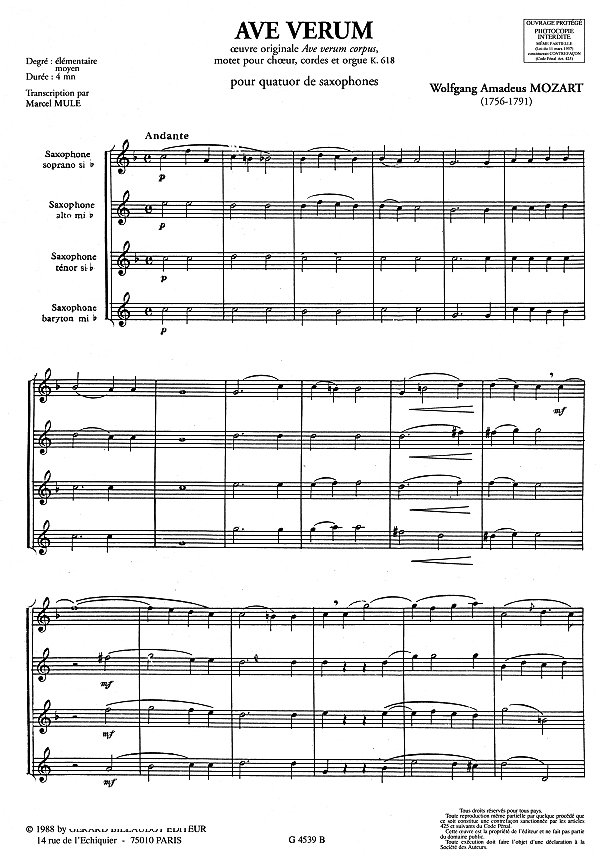
|
S997: Ave Verum by Wolfgang Amadeus Mozart transcribed for Saxophone Quartet (SATB) by Marcel Mule. Billaudot, 1988, includes parts and score. Ave verum corpus is a motet (K. 618) for SATB choir, strings and organ. It was written in 1791. An easy piece good for a warm-up or a change of pace for an experienced ensemble. Click on the cover image to view the first page of the two page score.
(Except other items with free shipping.) |
11.95
|
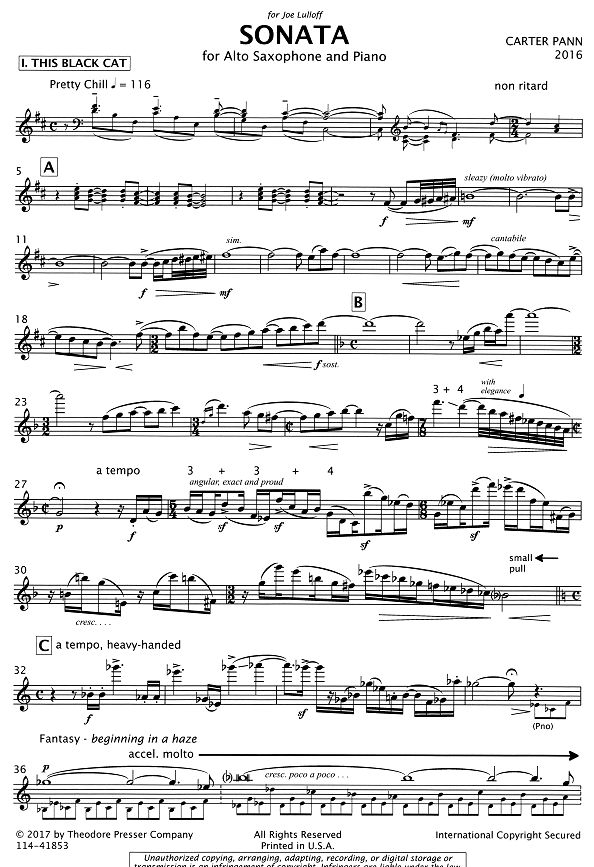
|
S1321: Quartet No. 4, Third Movement (K. 157) by Wolfgang Amadeus Mozart arranged for Saxophone Quartet by Gregory Siscot (AATB). Kendor, 2020, includes parts and score. This is a fun and lively rondo which features the lead alto player while the rest of the ensemble takes on accompaniment roles. Publishers grade (US) 3+. Duration 2:10. Click on the cover image to view the first two pages of the score. |
11.95
|
|
S238: Serenade from Eine Kleine Nachtmusik K. 525 by Wolfgang Amadeus Mozart transcribed for Saxophone Quartet (SATB) by Randy Navarre. Roncorp, 1984, (includes score and parts). What can we say about this famous piece, except "have fun." |
20.00
|
|
S311: Patchwork Saxophones Quartet (SATB) by Jerome Naulais. International Music Diffusion, 1988, SS, includes score and parts. Jerome Naulais (1951-) is a French composer, trombonist, and music educator. In four sections: mm=126, Valse, Lent, and Tempo primo. College level. |
25.95
|
|
S627: Garôto by Ernesto Nazareth arranged for saxophone quartet (SATB) by Willy Hautvast. Tierolff Muziekcentrale, SS, includes score and parts. Ernesto Júlio Nazareth (1863-1934) was a Brazilian composer and pianist, especially noted for his creative tango and choro compositions. This is a Brazilian tango. Looks like fun for better high school quartets and up. About 4 minutes. (Except other items with free shipping.) |
25.95
|
|
S620: Two Tangos Saxophones Quartet (SATB) by Ernesto Nazareth arranged by Russell Denwood. Almitra Music/Kendor Music Inc., 2010, includes score and parts. These two tangos, Remando (Andante) and Odeon (Allegretto), are in the 1920’s Brazilian light music style. Played in a swaying, lilting manner, careful attention to the articulation markings is essential. This upper intermediate work is a great change-of-pace programing choice. Total duration 8:15. |
12.50
|
|
S1083: Alpha, Beta, Alpha for Saxophone Quartet (S/AATB) by Lennie Niehaus. Kendor Music Inc., 2006, includes score and parts. This quartet is in ABA form. There are interesting parts for all players and they are all featured at one time or another in the lead role. The publisher rates this as (US) grade 4+. The duration is about 5 minutes. Click on the cover image to see the first two pages of the score. |
11.50
|
|
S508: Make the Most of It by Lennie Niehaus arranged for Saxophone Quartet (SATB). UNC JazzPress, SB. Includes parts (including 3 copies of an optional bass part with chords that can be used for bass, piano, guitar, etc. and a drum part) and score. This is one of the famous Lennie Niehaus arrangements for saxophone quartet. |
24.95
|
|
S737: Simple Gifts traditional arranged by Lennie Niehaus for Saxophone Quartet (AATB). Kendor Music Inc., 2011, includes score and parts. While the overall tempo of the piece is moderato, it includes a contrasting 6/8 Giocoso section in the middle. All of the parts are interesting. The publisher rates this as (US) grade 3. The duration is about 4 minutes. Click on the cover image to see the first two pages of the score. |
11.95
|
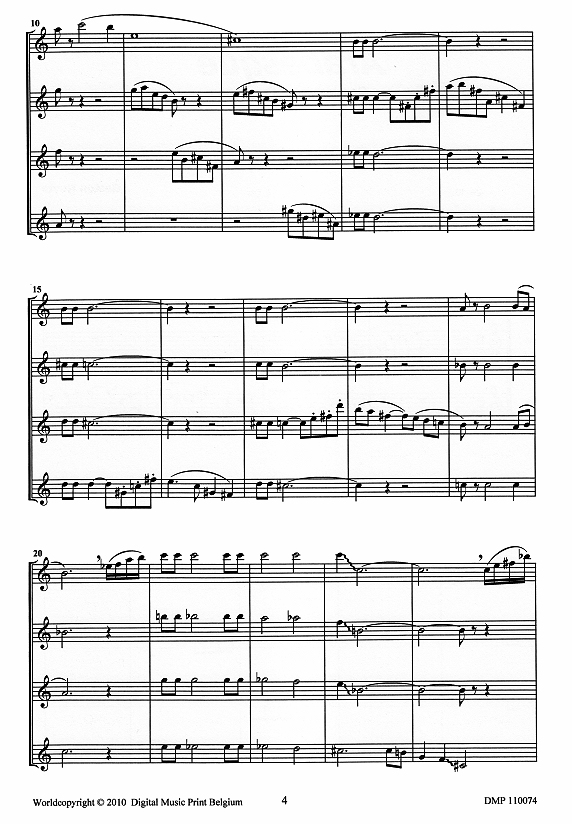
|
S1041: Arabesque for Saxophone Quartet (SATB) by Gaston Nuyts. Digital Music Print, 2010, SS, includes parts and score. In a fast/slow/fast format with tempos of 132 in the fast sections and 54 in the slow part. There is a very brief concluding Presto. Better high school quartets and up. Click on the cover image to view the second page of the score (pitches are the same as the parts despite the absence of key signatures). |
20.95
|
|
S1103: Songs for Tony for Saxophone Quartet (SATB + doubles) by Michael Nyman. Chester Music, 1997, SS, includes parts and score. In the third and fourth movements, the alto player doubles on tenor and the tenor player on baritone. Michael Nyman (1944-) is a British composer, arranger, critic, performer, author and lecturer. He has written chamber, orchestral, film, opera, vocal and chamber music. The composer wrote: "The first song is a transcription of an actual song - 'Mozart on Mortality' - which I wrote for the Composers Ensemble in the spring of 1992. The text, by Mozart himself, is all too appropriate: 'I may not see another day'. The second song is adapted from the music for the scene in Jane Campion's film The Piano, where the mute Ada (Holly Hunter) pushes her chief means of communication, her piano, overboard. This film was the last major deal that Tony negotiated on my behalf. The third song, a soprano sax solo, is based on a tune I composed some years ago, but was saving for a special occasion." It appears that these songs are often performed individually. There are quite a few recordings of the first movement on YouTube, here is one. I also found one video of the third movement. |
33.95
|
|
S736: Can Can (from Orpheus in the Underworld) Saxophone Quartet (AATB) by Jacques Offenbach arranged by Les Sabina. Kendor Music, 2011, includes score and parts. The publisher rates it at (US) grade 4, but even given the Allegro tempo that may be a grade too high. Duration is about 2:25. Click on the cover image to see the first two pages of the score. |
13.50
|

|
S1219: Capitol Punishment for Saxophone Quartet (SATB) by Carter Pann. Theodore Presser Co., 2017, SS, includes score and parts. Subtitled "for the Insane, An Encore for Saxophone Quartet." Following the Capitol Quartet's commission and celebrated premiere of The Mechanics (below), Carter Pann composed this short encore piece for the Capitol Quartet as a written-out improvisation. The players of Capitol are so virtuosic and adept at quick changes of tempo, character, and range, that Pann indulged in all three of these. The meaning of Pann's subtitle "for the Insane" remains open to interpretation. Lots of mixed meter. For advanced performers. Duration 2:30 (or less). Click on the cover image to view the first page of the score. |
19.95
|
|
S1100: The Mechanics for Saxophone Quartet (SATB) by Carter Pann. Theodore Presser Co., 2015, SS, includes score and parts. Carter Pann (1972-); is an American composer who studied composition and piano at Eastman and the University of Michigan. Pann describes "picturing all four gentlemen of the Capitol Quartet to be dressed as old-time auto mechanics, smudged with grit and grease, performing in the middle of my brother's taxicab stand (which is also a full-service auto shop with two hydraulic lifts)." In six movements: Hoist, Drive Train, Belt, Flywheel, Balance and Trash. This is an advanced quartet with some mixed meter and high altissimo in the soprano an alto parts. The duration is about 17 minutes. Click on the cover image to see a detailed explanation of the movements and the first page of the score. |
34.95
|
|
S303: Diversions for Saxophone Quartet (SATB) (Parts) by Paul Patterson. Josef Weinberger Ltd, 1976. Paul Patterson (1947-) is a British composer and music educator. Three movements: 1. Gusty (Presto), 2. Blowing Blue (Free jazzy, slow), and 3. Sea Breeze (Allegro agitato). An advanced quartet with a lot going on in all parts. S304: Diversions for Saxophone Quartet (SATB) (Study Score) by Paul Patterson. Josef Weinberger Ltd, 1976, SS, 21 pages. |
Parts Score38.95 20.95
|
|
S717: Angels We Have Heard on High for Saxophone Quartet (SATB) traditional arranged by Bill Perconti. Advance Music, 2010, (includes score and parts). Angels We Have Heard On High, a popular Christmas song, is likely a traditional French carol. By distributing melodic material, this arrangement for saxophone quartet strives to include all four members in the music making. Intermediate level. |
17.95
|
|
S720: He is Born Holy Child. for Saxophone Quartet (SATB) traditional arranged by Bill Perconti. Advance Music, 2010, (includes score and parts). Dating from the 18th century, He Is Born, Holy Child is a traditional French carol. The composer and lyricist are anonymous, but translations of the texts have resulted in many references to music. This arrangement for saxophone quartet strives to include all the players in the music making, particularly by distributing melodic material. Upper intermediate level. |
15.95
|
|
S619: Infant Holy, Born So Lowly for Saxophone Quartet (SATB) traditional arranged by Bill Perconti. Advance Music, 2009, SS, (includes score and parts). Infant Holy, Born So Lowly is one of the oldest traditional Polish Christmas songs. A simple folk tune, the origins of this stately melody (W Zlobie Lezy) date from the 13th or 14th century. The lyrics depict a manger song, and the music has been used as a circle dance. Infant Holy, Born So Lowly is found in present day hymnals. This arrangement for saxophone quartet, rather than favoring a soprano solo with accompaniment, strives to include all the players in the music making. Intermediate level. |
15.95
|
|
S985: Patapan for Saxophone Quartet (SATB) arranged by Bill Perconti. Advance Music, 2008, (includes score and parts). Patapan is a French Noel attributed to Bernard de la Monnoye who lived from 1641-1728. The title of this French carol refers to the beating of a drum, while the lyrics mention pipes, fifes and flute. As with many Christmas tunes, it reflects the joyous union of Christmas music with dance. The melody here also incorporates a lyrical folk song used by Tchaikovsky in his 1812 Overture. This arrangement by Bill Perconti for saxophone quartet, rather than favoring a soprano solo with accompaniment, strives to include all the players in the music making by distributing the melodic material. Intermediate level. |
17.95
|
|
S617: The Sleep of the Infant Jesus for Saxophone Quartet (SATB) traditional arranged by Bill Perconti. Advance Music, 2008, (includes score and parts). The Sleep of the Infant Jesus is a ballad carol that is also a lullaby. Traditionally French, the tune dates before 1800, but the composer is unknown. Although little known, the tune is a beautiful and serene Christmas folk melody. This arrangement for saxophone quartet, rather than favoring a soprano solo with accompaniment, strives to include all the players in the music making. This piece which is at a slow tempo is very easy. |
17.95
|
|
S691: Windup for Saxophone Quartet (SATB) by Wayne Peterson. Edition Peters, 1997 (?), SB, parts only. Wayne Peterson (1927-) is an American Pulitzer Prize winning composer, pianist and educator. This is an advanced work in a number of sections. There is flutter tonguing in all parts. S691a: Windup for Saxophone Quartet (SATB) by Wayne Peterson. Edition Peters, 1997 (?), SB, 32 pages, score only. |
Parts
47.25
Score
25.25
|
|
S313: Swing Sweet Suite Saxophone Quartet (SATB) by Jacques Petit. International Music Diffusion, 1988, SS, includes score and parts. A jazz influenced quartet with three movements: I. Pop en Ré, II. Sciilienne-Blues, and III. Be-Bop Sériel. Includes some brief improvised solos (free) in the first movement and also in the last movement, especially for baritone saxophone. College level. |
43.95
|
|
S662: Adios Nonino for Saxophone Quartet (SATB) by Astor Piazzolla arranged by Johan van der Linden. Molenaar Edition, 1984, SS, (includes score and parts). College level with many tempo changes. The soprano part reaches altissimo A-flat. Duration 4:30. |
27.95
|
|
S665: Cinco Piezas for Saxophone Quartet (SATB) by Astor Piazzolla arranged by Jack Sharretts. Berben, 1981, SS, (includes score and parts). The five pieces are: 1. Campero (Molto accentuato), 2, Romántico (Moderato ad libitum), 3. Acentuado (Ritmico, molto accentuato), 4. Tristón (Moderato, molto cantabile), and 5. Compadre (Ritmico). There is a range of difficulty in these pieces with the first piece, which is mostly in 7/4, being the most difficult. Expensive but there is a lot of music here. The parts for each of the pieces are 2 pages long for a total of 10 pages. |
47.95
|
|
S397: Four for Tango for Saxophone Quartet (SATB) by Astor Piazzolla arranged by Claude Voirpy. Henry Lemoine, 1999, SS. This piece is in one extended movement. A low A baritone saxophone is desirable although the low A's appear only in the first eight measures. For advanced quartets. |
32.95
|
|
S396: Le Grand Tango for Saxophone Quartet (SATB) by Astor Piazzolla arranged by Jack Sharretts. Berben, 1982, SS, (includes score and parts). One extended movement with slower sections in the middle. College level. |
34.95
|
|
S398: Histoire du Tango for Saxophone Quartet (SATB) by Astor Piazzolla transcribed by Claude Voirpy. Henry Lemoine, 1991, SS, (includes score and parts). This is a wonderful and challenging piece which has been transcribed for a variety of instruments and combinations of instruments. The four scenes portrayed are: Bordel 1900, Café 1930, Night-club 1960, and Concert d'aujourd'hui (Modern Day Concert). |
39.95
|
|
S1167: Libertango for Saxophone Quartet (SATB) by Astor Piazzolla arranged by Bart Picqueur. Golden River Music, 1975/2002, SS, (includes score and parts). Libertango is a composition by tango composer Astor Piazzolla, first recorded and published in 1974 in Milan. The title is a portmanteau merging "Libertad" (Spanish for liberty) and "Tango", symbolizing Piazzolla's break from Classical Tango to Tango Nuevo. Click on the cover image to view the beginning portion of the score. |
19.95
|
|
S1168: Oblivion for Saxophone Quartet (SATB) by Astor Piazzolla arranged by Steven Verhaert. Golden River Music, SS, (includes score and parts). Originally composed in 1982, this is another very popular tango by Piazzolla. Click on the cover image to view the beginning portion of the score. (Except other items with free shipping.) |
23.95
|
|
S395: Tango Suite for Saxophone Quartet (SATB) by Astor Piazzolla arranged by Jack Sharretts. Berben, 1985, SS, (includes score and parts). This suite has three tangos in a fast/slow/fast format. College level. |
48.95
|
|
S215: Chanson d'Autrefois for Saxophone Quartet (SATB) by Gabriel Pierné arranged by Marcel Mule. Leduc, 1938, SS, (includes score and parts). A pleasant quartet that is brief and relatively easy. The tempo is Allegro moderato. Duration about 3 minutes.
|
20.55
|
|
S216: Chanson de la Grand' Maman for Saxophone Quartet (SATB) by Gabriel Pierné arranged by Marcel Mule. Leduc, 1938, SS, (includes score and parts). Another arrangement by Mule of a work by Pierné. Marked Pas vite, this quartet is not difficult. Duration about 2:30. |
16.05
|
|
S299: Introduction et Variations sur une Ronde Populaire for Saxophone Quartet (SATB) by Gabriel Pierné. Leduc, 1938, SS, (includes score and parts). Dedicated to the saxophone quartet led by Marcel Mule. A popular staple of the saxophone quartet repertoire. |
29.95
|
|
S217: La Veillee de L'Ange Gardien for Saxophone Quartet (SATB) by Gabriel Pierné. Leduc, 1938, SS, (parts only). This title translates as The Guardian Angel's Vigil. This is a relatively easy quartet (probably US grade 3) with only the key signature (A/E) being a challenge for young ensembles. Here is an audio recording. (Except other items with free shipping.) |
13.75
|
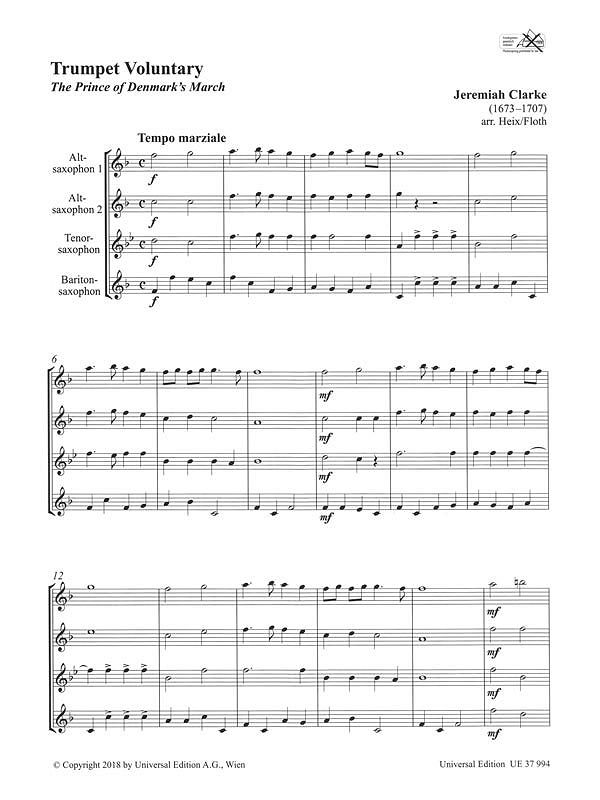
|
S1305: Saxophon Quartette Junior for Saxophone Quartet (AATB) arranged by the Pindakaas Saxophone Quartet. Universal Edition, 2018, SS, (includes score and parts). The Pindakaas Saxophone Quartet, one of Europe's premier performing groups, gives back with an edition of 10 easy arrangements for young sax players playing together for the first time. These ten pieces encompass a wide range of styles. The Wagner Bridal March is here, together with the Clarke Trumpet Voluntary, Brahms Lullaby, Offenbach's Can-Can, and even the Hill sisters' Happy Birthday. Scored for two altos, tenor, and either baritone or another tenor, these arrangements offer a number of performance opportunities for beginning quartets. Most of this music is (US) grade 2 and 3. Suitable for middle school quartets and possibly the first year of high school. Click on the cover image to view the first page of the score. |
24.95
|
|
S990: Burlesque for Saxophone Quartet (SATB) by Robet Planel. Editions Combre, 1998, SS, (includes score and parts). Robert Planel (1908-1994) was a French violinist, composer, and music educator. This is a college level, sectional piece. The tempo is Vif et léger. The duration is about 4:35. Click here to see a performance on YouTube. Click on the cover image to view the first page of the score. |
42.95
|
|
S1215: Begin the Beguine for Saxophone Quartet (AATB) by Cole Poter arranged by Les Sabina. Kendor Music Inc.,1935/2016, (includes score and parts). This classic Cole Porter standard is arranged here for grade 4 saxophone quartet. In a straight-eighths (Latin) style. Duration 3:20. Click on the cover image to view the first two pages of the score. |
12.50
|
|
S503: Waltz and Scherzo for Saxophone Quartet (AATB) by William Presser. Southern Music Co. 1967, SS, (includes score and parts). Two movements: Waltz (mm=138) and Scherzo (mm=152). The publisher rates this at (US) grade 4. |
10.50
|
|
S1076: Compass for Saxophone Quartet (SATB) by David Rakowski. Edition Peters, 2010, SB/SS, includes parts and score. David Rakowski (1958-) is an American composer. This work was commission by a consortium of saxophone quartets. In four movements (which may be played in any order): W Fast; N Very swift, calcioculo; S Warm, flexible; and E Swift and quite precise. Advanced college level with a duration of 19 minutes. Click here to see a video of a performance. |
59.95
|
|
S1331: Five Centuries for Saxophone Quartet (AATB) by Sigurd M. Rascher and Lee Patrick. Bourne Co, SS, includes parts and score. Arrangements of the following: Grieg Patriotic Song, Watchman's Song; and Folk Melody; Dufay Gloria-A Christmas Flourish; Boccerini Minuetto; Mozart Antiphone; Purcell Sailors Dance and With Drooping Wings; Palestrina Agnus; Dei; Schumann New Years Eve; Hermann To Thee We Sing Immanuel! Mendelssohn, Song Without Words No. 9 and No. 41; MacDowell At an Old Trysting Place and Song. US grade 2, 3 and 3+. |
35.95
|
|
S1332: Masterpieces for Saxophone Quartet (SATB) by Sigurd M. Rascher and Lee Patrick. Bourne Co, SS, includes parts and score. Arrangements of the following: Haydn Minuet and Trio; Handel Sarabande and Gigue and Sinfonia from Rinaldo; Ockeghem Sanctus; Grieg Elegie, Lonely Wanderer, Elfentanz and In Der Heimat; Mozart God Is Our Refuge; Schumann First Loss and Hunting Song; Mendelssohn Song Without Words No. 15; and Two Lute Dances. US grades 3 and 4. |
35.95
|
|
S869: Bolero for Saxophone Quartet (SATB) by Maurice Ravel arranged by Christoph Enzel. Advance Music, 2011, SS, includes parts and score. This arrangement is condensed but still retains the dramatic arc of the popular original. Duration about 6 minutes. Click on the cover image to view a page from the score. |
17.95
|
|
S697: Ma Mère L'Oye (Mother Goose) for Saxophone Quartet (SATB) by Maurice Ravel arranged by Christoph Enzel. Advance Music, 2009, SS, includes parts and score. This popular suite was written for piano in 1908 and arranged for orchestra in 1911. There are five pieces inspired by 17th century fairy tales: Pavane de la Belle au Bois Dormant (Pavane of the Sleeping Beauty); Petit Poucet (Little Tom Thumb); Laideronette, Impératrice des Pagodes (Little Ugly Girl, Empress of the Pagodas); Les Entretiens de la Belle et la Bête (Conversations of Beauty and the Beast) and Le Jardin Féerique (The Fairy Garden). There is a bit of high altissimo (G and in some cases above) in all parts. College level. |
26.95
|
|
S560: Pavane pour une Infante Défunte for Saxophone Quartet (SATB) by Maurice Ravel arranged by Christoph Enzel. Advance Music, 2008, SS, includes parts and score. Another one of Ravels most popular pieces arranged for advanced high school or early college level saxophone quartet. All of the parts are important and interesting. |
17.95
|
|
S582: Le Tombeau de Couperin for Saxophone Quartet (SATB) by Maurice Ravel arranged by Christoph Enzel. Advance Music, 2009, SS, (includes score and parts). A wonderful piece, originally for piano. This arrangement uses the four movements that appear in the orchestral version: I. Prelude, II. Forlane, III. Menuet, and IV. Rigaudon. College level. |
31.95
|
|
S600: Trois Chansons for Saxophone Quartet (SATB) by Maurice Ravel arranged by Christoph Enzel. Advance Music, 2010, SS, includes score and parts. The three songs are I. Nicolette, II. Trois beaux oiseaux du Paradis, and III. Ronde. Of the three, the second song ("Three Beautiful Birds of Paradise") is in the impressionist style typically associated with Ravel. These are from Three Songs for Unaccompanied Mixed Choir, lyrics by Ravel (1914-15), also transcribed for medium voice and piano (1915). Advanced high school/early college level |
17.95
|
|
S1102: Saxophonquartett for SATB saxophones by Paul Reade. Simrock, 1987, SS, includes parts and score. Paul Reade (1943-1997) was an English composer especially known for his work for television and ballet. This piece was commissioned by the London Saxophone Quartet for their 10th anniversary. It is in four movements: I. Toccata (Allegro comodo), II. Elegie (Lento e lirico), III. Contradanse (Presto bararo), and IV. Finale (Allegro). College level with a duration of about 8 minutes. There are several recordings on YouTube. Here is one. |
26.95
|
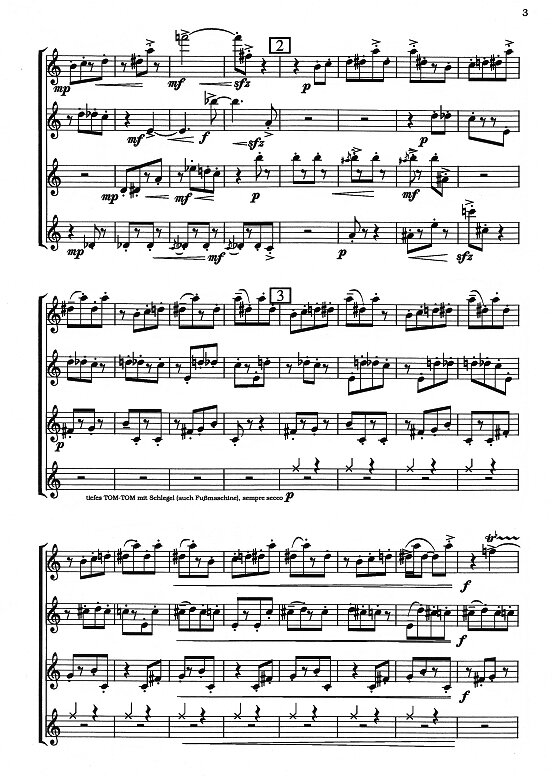
|
S716: Sax-Toccata for Saxophone Quartet (SATB) by Johannes Reiche. Hofmeister, 1996, SS, includes parts and score. Johannes Reiche (1955-) is a German composer, clarinetist, conductor and music educator. This is a contemporary piece with a relatively straight forward beginning and ending (both Allegro, sempre stringendo), but with a middle section (molto lento e espressivo) that is without barlines and uses some contemporary notation and ends with free improvisation. Also there are short sections where the saxophonists play percussion instruments. These are small wood blocks (2), temple blocks or ratchet, and tom tom with mallet. For the adventurist quartet, looking for something different. Click on the cover image to view the second page of the score. |
24.95
|
|
S694: Flight of the Bumble-Bee for saxophone quartet (AATB) by Nicolai Rimsky-Korsakov arranged by Lennie Niehaus. Kendor Music, 2011, (includes parts and score). This is in cut time marked half note=104, but is often played faster. In this arrangement the melody is often doubled. |
11.50
|
|
S1027: Flight of the Bumble-Bee for saxophone quartet (SATB) by Nicolai Rimsky-Korsakov arranged by Carlo Duerto. EditionDarok, 2013, SS, (includes parts and score). This arrangement for the traditional saxophone quartet has the melody shifting to each member of the quartet in turn. (Except other items with free shipping.) |
21.95
|
|
S1091: Veracruz! for saxophone quartet (SATB) compiled and arranged by José Oliver Riojas. Alry Publications, 2014, SS, includes parts and score. A collection of Mexican folk songs from Veracruz, arranged for the New Century Saxophone Quartet. Folk songs include: El Balajú, Veracruz, La Bamba, Le Canto a Mi Veracruz, El Cascabel, El Zapateado, and El Pájaro Cu. College level with a duration of about 7 minutes. Click here to listen to the music on the publisher's website. Click on the cover image to view selected pages from the score. |
24.95
|
|
S300: Grave et Presto for saxophone quartet (SATB) by Jean Rivier. Billaudot, 1966, (includes parts and score). This piece by Jean Rivier (1896-1987) is dedicated to Marcel Mule. A college level work with many tempo changes within the two movements. |
25.95
|
|
S507: Have You Met Miss Jones? by Richard Rodgers arranged for Saxophone Quartet (SATB) by Lennie Niehaus. UNC JazzPress, SB. Includes parts (including 2 copies of an optional bass part with chords that can be used for bass, piano, guitar, etc. and a drum part) and score. This is one of the famous Lennie Niehaus arrangements for saxophone quartet. |
24.95
|
|
S239: It Might As Well Be Spring by Richard Rodgers & Oscar Hammerstein arranged for Saxophone Quartet (SATB) by Keith Young. Roncorp, 1996, (includes score and parts). Written for this U.S. Air Force Saxophone Quartet, this song is from the film musical State Fair (1945). This arrangement begins with a slow and expressive statement of the melody and then goes into a fast swing. Includes an improvised alto solo. |
16.00
|
|
S855: This Can't Be Love by Richard Rodgers arranged for Saxophone Quartet (SATB) by Lennie Niehaus. UNC JazzPress, SB. This song is from the 1938 Rodgers and Hart musical, The Boys from Syracuse. Includes parts (including 3 copies of an optional bass part with chords that can be used for bass, piano, guitar, etc. and a drum part) and score. A new release of this Lennie Niehaus arrangement for saxophone quartet. |
24.95
|
|
S960: Der Barbier von Sevilla (The Barber of Seville) Act I - Part I for Saxophone Quartet (SATB) by Gioachino Rossini arranged by Christoph Enzel. Advance Music, 2011, SS, includes parts and score. Subtitled "Harmony music for wind instruments," this version follows this tradition with arrangements of the melodies of this opera into a saxophone quartet. There are four volumes in all for this opera. This volume has the Overture and the Cavatina "Ecco Ridente Il Cielo." A synopsis of the opera in German and English is included. Early college level. Click on the cover image to view the first page of the score. |
26.95
|
|
S861: Der Barbier von Sevilla (The Barber of Seville) Act I - Part II for Saxophone Quartet (SATB) by Gioachino Rossini arranged by Christoph Enzel. Advance Music, 2012, SS, includes parts and score. There are three arias from the first act of the opera covering an array of styles ranging from bold dramaticism to singing lyricism: They are the Cavatina “Largo Al Factotum,” the Duetto “All’ idea di Quel Metallo,” and the Cavatina “Una Voce Poco Fa.” A synopsis of the opera in German and English is included. College level. Click on the cover image to view the first page of the score. |
26.95
|
|
S974: Der Barbier von Sevilla (The Barber of Seville) Act II - Part I for Saxophone Quartet (SATB) by Gioachino Rossini arranged by Christoph Enzel. Advance Music, 2012, SS, includes parts and score. There are three selections from the beginning of the second act: Stretta Del Finale I (Allegro/Vivace), Quintetto "Pace e Gioia" (Moderato), and Quintetto "Bricconi! Birbanti!" (Allegro). A synopsis of the opera in German and English is included. College level. Click on the cover image to view the first page of the score. |
26.95
|
|
S984: Der Barbier von Sevilla (The Barber of Seville) Act II - Part II for Saxophone Quartet (SATB) by Gioachino Rossini arranged by Christoph Enzel. Advance Music, 2012, SS, includes parts and score. The final section of Act II of this work. There are three selections: Terzetto "Ah, Quel Colp Inaspettato;" Terzetto "Zitti, Zitti, Piano, Piano;" and Polonoise "Di Si Felice Innesto." A synopsis of the opera in German and English is included. College level. Click on the cover image to view the first page of the score. |
26.95
|
|
S641: Fantasia dal Barbiere di Siviglia for Saxophone Quartet (SATB) by Gioachino Rossini arranged by Michele Mangani. Edizioni Musicali Eufonia, SS, includes parts and score. This fantasy on the Barber of Seville is sectional, taking the quartet through the major themes of the opera. The parts are 4 pages long and rather dense. |
24.95
|
|
S1096: William Tell Overture for Saxophone Quartet (AATB) by Gioachino Rossini arranged by Andrew Balent. Kendor Music Inc., 2014, includes parts and score. This is the Lone Ranger theme portion of the overture. Suitable for young high school quartets although they must keep the tempo up. Click on the cover image to view the first two pages of the score. |
11.50
|

|
S500: Sonata No. 44 by Domenico Scarlatti arranged for saxophone quartet (SATB) by Fred Hemke. Southern Music Co., 1991, SS, (includes score and parts). Marked: Presto, quanto sia possibile. All parts are interesting. The publisher rates this at (US) grade 5 but it is less difficult at a slower tempo. Click on the cover image to view the first page of the score. (Except other items with free shipping.) |
7.95
|
|
S748: Mission: Impossible Theme Saxophone Quartet (AATB) by Lalo Schifrin arranged by John Wasson. Hal Leonard, 1966/1999, (includes score and parts). An arrangement of this familiar theme which is marked Driving (mm=176+). While many high school level quartets will be able to play this piece it is worth noting that it is in 5/4. |
19.95
|
|
S552: Prelude and Rondo Saxophone Quartet (SATB) by William Schmidt. Avant Music (Western International Music), 1980, SS, (includes score and parts). The Prelude is mm=80 while the Rondo is mm=160 and is mostly in 9/8 with two middle sections in cut time, but there are bars of 7/8, 3/4, etc. in the 9/8 sections. The publisher rates this at (US) grade 4. |
14.95
|
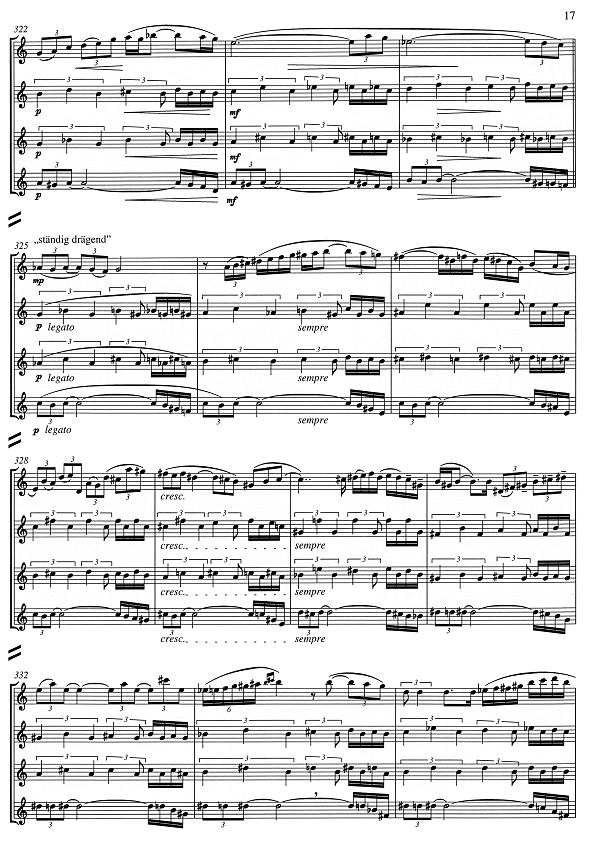
|
S1073: Saxophon-Quartett (SATB) by Daniel Schnyder. Kunzelmann, 1995, SS, includes score and parts. Daniel Schnyder (1961-) is a Swiss composer and saxophonist. This is an advanced work in four movements. Most of the movements have tempo changes and there is mixed meter in the final movement. The duration is 20 minutes. Click on the cover image to view a page of the score near the end of the first movement (at this point the tempo is mm=76.) |
51.95
|
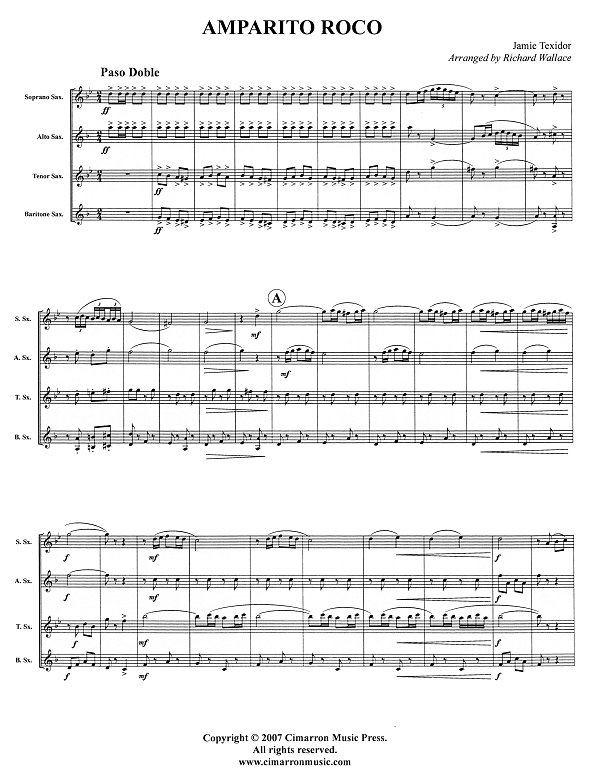
|
S1160: Amparito Roco Saxophone Quartet (SATB) by Jamie Texidor arranged by Richard Wallace. Cimarron Music Press, 2007, SS, includes score and parts. Jaime Texidor (1884-1957) was a Spanish musician, conductor, publisher, and composer. This piece which was first published in 1925 was named after one of the composer's piano students. This was his best known piece and is a paso doble. Better high school quartets and up. Click on the cover image to view the first page of the score. |
16.95
|
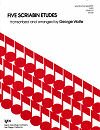
|
S399: Five Scriabin Etudes transcribed and arranged for saxophone quartet (SATB) by George Wolfe. Kjos Music, 1985, SS, includes score. Alexander Scriabin (1872-1915) was a Russian composer and pianist who wrote these etudes for piano. The etudes are Prelude, Fantastic Poem, Feuillet d'Album, Quasi Valse, and Scherzo. The publisher has rated these as (US) grade 4 and they should be playable by many high school quartets. The duration is about 6:30 minutes. (Except other items with free shipping.) |
9.95
|
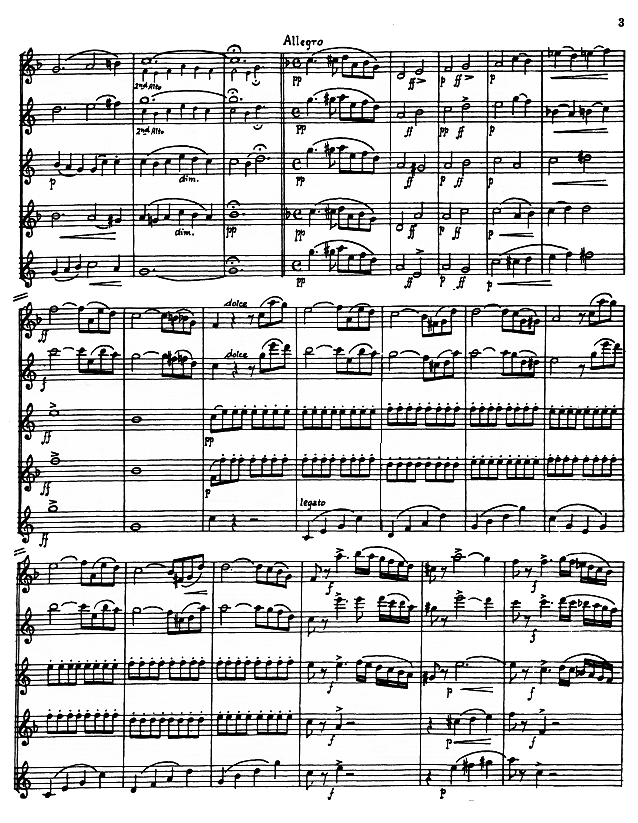
|
S915: Allegro de Concert for Saxophone Quartet (S/AATB) by Jean Baptiste Singelée edited by E. A. Lefébre. Carl Fischer, includes score and parts. This piece is an arrangement of the Allegro from the first movement of the Premier Quatuor Op. 53 (below). It has a 15 bar Andante Recitative introduction that is not part of the original. This arrangement moves some of the figures from the tenor and baritone part to the alto (second part) making it somewhat easier for younger quartets. Click on the cover image to view the second page of the score. (Except other items with free shipping.) |
13.95
|
|
S664: Premier Quatuor Op. 53 for Saxophone Quartet (SATB) by Jean Baptiste Singelée edited by Jean Marie Londeix. Molennar Edition, 1977, SS, (includes score and parts). This piece was written by pioneer saxophone composer Singelee in 1857. In four movements: I. Andante/Allegro, II. Adagio, III. Allegro vivace, and IV. Allegretto. Early college level. Duration about 17:30. 
|
49.95
|
|
S587: Serenade for Saxophone Quartet (SATB) by Walter Skolnik. Tenuto Publications, 1986, SS, (includes score and parts). A friend of mine has this in his saxophone quartet book and after playing it I thought it was worth carrying. In four short movements; 1. Chorale (Sostenuto), 2. Humoresque (Allegretto), 3. Barcarolle (Andante), and 4. Toccata (Allegro). Better high school quartets and up. Duration about 5:30. |
8.95
|
|
S632: Idea 1 & 2 for Saxophone Quartet (S/AATB) by Lille Bror Söderlundh. Hans Busch Musikförlag, 1987, SS, includes score and parts. Lille Bror Söderlundh (1912-1957) was a Swedish composer and singer. He was noted primarily for the music he composed for many Swedish films but also wrote classical music.This work was written in 1949. Idea 1 is Andante (in 3/2). Idea 2 is Allegro. The soprano saxophone is rather low (including one low A) so playing the first part on alto is suggested. Suitable for better high school or early college level quartets looking for some music from Scandinavia. Duration about 8 minutes. |
20.95
|
|
S501: Suite for Saxophone Quartet (AATB) by Leon Stein edited by Cecil Leeson. Southern Music Co. 1967, SS, (includes score and parts). This is a lengthy work (the parts are each 10 pages long) in four movements: I. Sonatine (Allegro), II. Recitative (Andante), III. Scherzo, and IV. Rondo (Allegro). The last movement has mixed meters. Publisher's (US) grade 5. |
24.95
|
|
S1270: Tritsch-Tratsch Polka Op. 214 arranged for Saxophone Quartet (AATB) by Johann Strauss II arranged by Andrew Balent. Almitra Music Co./Kendor Music Inc., 2017, includes score and parts. This (US) grade 3 piece should be a popular encore. Duration about 1:35. Click on the cover image to view the first two pages of the score. |
11.95
|
|
S882: Lush Life Saxophone Quartet (SATB) by Billy Strayhorn arranged by Billy Kerr. UNC Jazz Press, SB, (includes score and parts). This Billy Strayhorn classic was written in the1930s, but not performed publicly until 1948. The arrangement was written for The New York Saxophone Quartet. All parts have the lead at some point. Advanced high school/early college level. |
24.95
|
|
S576: Take the "A" Train Saxophone Quartet (AATB) by Billy Strayhorn arranged by Lennie Niehaus. Kendor, 2009, SS, (includes score and parts). A staple of the Duke Ellington orchestra from the legendary arranger Lennie Niehaus. Better high school quartets and up. |
11.95
|
|
S626: Songs & Dances Saxophone Quartet (SATB by J.M. Suykerbuyk. Tierolff Muziekcentrale, 1995(?), SS, includes parts and score. J.M. Suykerbuyk (1959-) is a Dutch composer. This piece was written for woodwind quintet but has been transcribed for clarinet and saxophone quartet. It is a nice addition to the quartet repertoire. There are six movements: I. Deciso, II. Allegro moderato, III. Comodo, VI. Calmo, V. Lento, and VI. Allegretto. Early college level. Here are samples from this work. |
36.95
|
|
S658: Fantasia Saxophone Quartet (SATB) by Jan Pieterszoon Sweelinck arranged by James Boatman. Alry Publications, 1999, SS, includes parts and score. Jan Pieterszoon Sweelinck (1562-1621) was a Flemish composer, organist, and teacher. This piece was originally written for organ. It is mostly in 4/2 and has several tempos. Early college level with a duration of 7:50. I heard it on the radio (played by New Century Saxophone Quartet) and believe it will be an enjoyable piece for many quartets. |
21.95
|
|
S1342: Nuts! It's a Cracker for Saxophone Quartet (SATB) by Pyotr Ilyich Tchaikowsky arranged by Melanie Thorne. Sempre Music, 2020, SS, (includes parts and score). An arrangement of selections from the Nutcracker in tongue in cheek style. There are four movements: 1. Overture, No. 2 Sugar Plum-around, No. 3 A-rab T-Dance, and No. 4. East meets West. |
29.30
|
|
S1022: Songs Without Words for Saxophone Quartet (SATB) by Peter Ilyich Tchaikovsky arranged by Peter Cluwen. Molenaar Edition, SS, includes parts and score. Two of Tchaikovsky's Songs Without Words (Op. 2 No.3 and Opus 40 No. 6) in pleasant arrangements for saxophone quartet. High school level.
(Except other items with free shipping.) |
11.95
|
|
S504: Ten Saxophone Quartets (AATB) compiled and arranged by Larry Teal. G. Schirmer, 1969, SS, includes score. J.S. Bach Bourrée from Suite No. 1, Beethoven Presto from String Quartet Op. 18 No. 3, Boccherini, Minuet from String Quintet in E, Haydn Minuet and Presto from String Quartet Op. 20 No. 4, Kuhlau Grand Quartet excerpt from the Flute Quartet Op. 103, Mendelssohn-Bartholdy Elijah "Yet Doth the Lord," Mozart Minuet from String Quartet in E-flat KV 428, Rimsky-Korsakov Scherzo from String Quartet Op. 12, Schumann Scherzo from String Quartet in A minor Op. 41 No. 2, Tchaikovsky Andante Cantabile from String Quartet Op. 11. Intermediate and upper intermediate level. |
27.95
|
|
S947: Concerto à 4 Violini concertati in G major TWV 40:201 for Saxophone Quartet (AAAA) by Georg Philipp Telemann arranged by Olaf Mülenhardt. Advance Music, 2011, SS, includes parts and score. In four movements: Largo e staccato, Allegro, Adagio (very brief), and Vivace. There is some altissimo to G in the first and second parts but the passages can be played an octave lower. Detailed historic notes in German and English are included. Click on the cover image to view the notes and the first page of the score (which isn't typical of the entire piece). |
15.95
|
|
S860: Concerto à 4 Violini senza Basso in A major TWV 40:204 for Saxophone Quartet (AAAA) by Georg Philipp Telemann arranged by Olaf Mülenhardt. Advance Music, 2011, SS, includes parts and score. Featuring four distinct movements in contrasting styles -- Grave, Allegro, Adagio, Spirituoso -- this adaptation of an 18th century masterwork by Telemann gives everyone equal responsibility for presenting technically challenging passages and produces antiphonal effects when they play in opposing pairs. Detailed historic notes in German and English are included. Click on the cover image to view the notes and the first page of the score (which isn't at all representative of the difficulty level of this piece). |
15.95
|
|
S848: Concerto à 4 Violini senza Basso in D major TWV 40:202 for Saxophone Quartet (AAAA) by Georg Philipp Telemann arranged by Olaf Mülenhardt. Advance Music, 2011, SS, includes parts and score. In four movements: Adagio, Allegro, Grave, and Allegro. Includes historic notes in German and English. Click on the cover image to view the notes and the first page of the score. |
17.95
|
|
S850: Sonata à IV Violini in C major TWV 40:203 for Saxophone Quartet (AAAA) by Georg Philipp Telemann arranged by Olaf Mülenhardt. Advance Music, 2011, SS, includes parts and score. In four movements: Grave, Allegro, Largo e staccato, and Allegro. Notes in German and English are included and have some suggestions on simplifying some of the idiomatic violin passages in the original.Click on the cover image to view the notes and the first page of the score. |
17.95
|
|
S1072: Comic String Quartet based on Beethoven's 5th Symphony for Saxophone Quartet (SATB) by Werner Thomas-Mifune arranged by Ivan Roth. Kunzelmann, 1996, SS, includes parts and score. This is a faithful transcription of the Thoma-Mifune's work for string quartet. Better high school quartets and up with a duration of about 3:30. Here is a video of the original string quartet version. |
25.95
|
|
S1136: After the Sun for Saxophone Quartet (SATB) by Melanie Thorne. Sempre Music, 2004, SS, includes parts and score. This is an original tango which the composer rates as UK grades 5-8. Duration is about 4:40. Click on the cover image to view the first two pages of the score. |
23.95
|
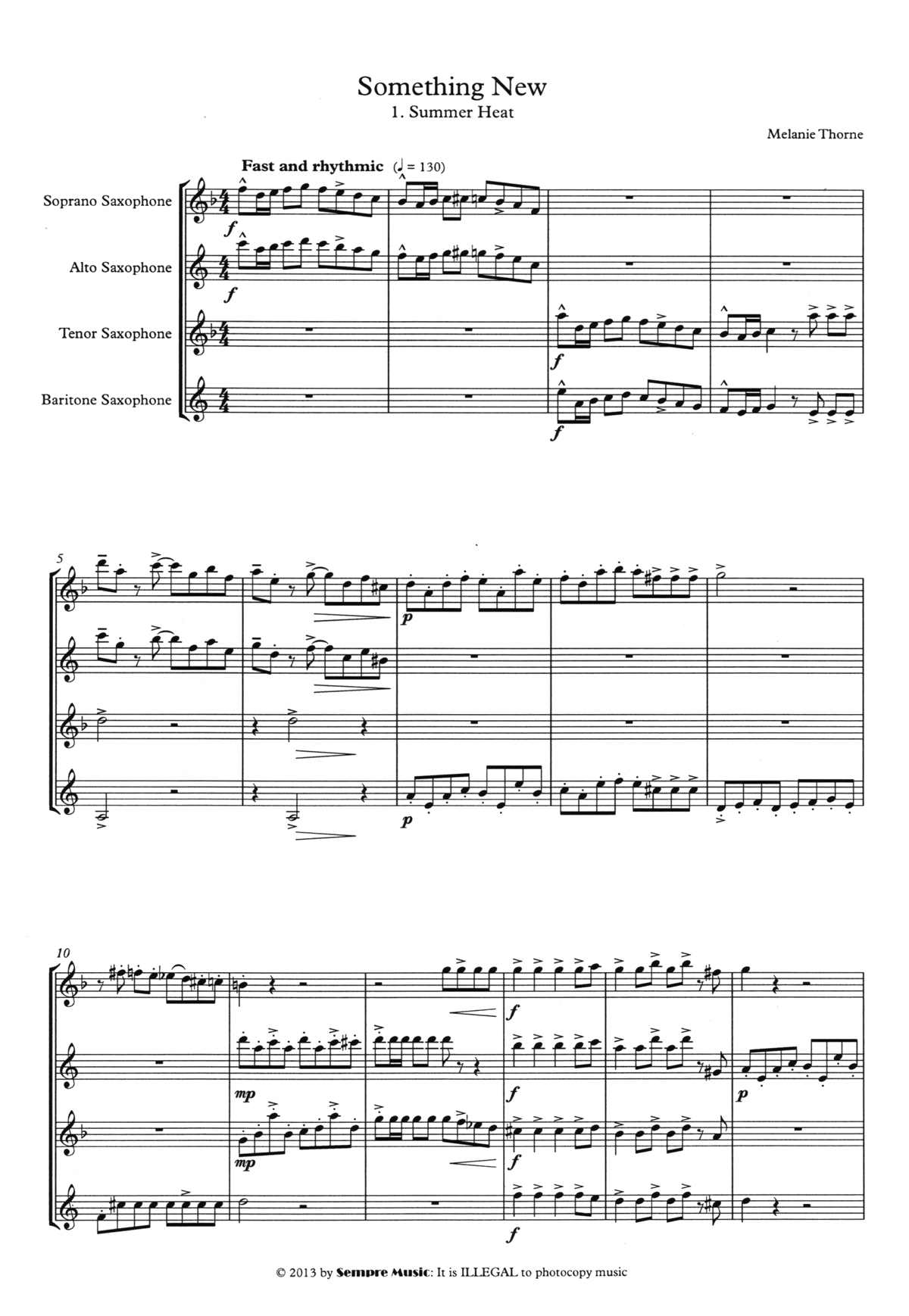
|
S1032: Something New for Saxophone Quartet (SATB) by Melanie Thorne. Sempre Music, 2013, SS, includes parts and score. Something New is Thorne stepping out as composer of two movements - Summer Heat and Cool of the Evening. While the first is fast and rhythmic, the second is cool and limpid. For intermediate to advanced performers. Click on the cover image to view the first page of the score. |
29.30
|
|
S128: Out of the Blue for Saxophone Quartet (SATB) by Frank Ticheli. Southern Music Co., 2005, SS, includes parts and score. Composer Frank Ticheli (1958-) is especially well known to wind players for his many popular works for concert band. He describes Out of the Blue as being a celebration of rhythm. Almost every bar of the piece contains one form of syncopation or another. One extended movement with several sections. This work was for the PRISM Saxophone Quartet which gave the initial performance in 2000. An advanced college or professional level piece. |
24.95
|
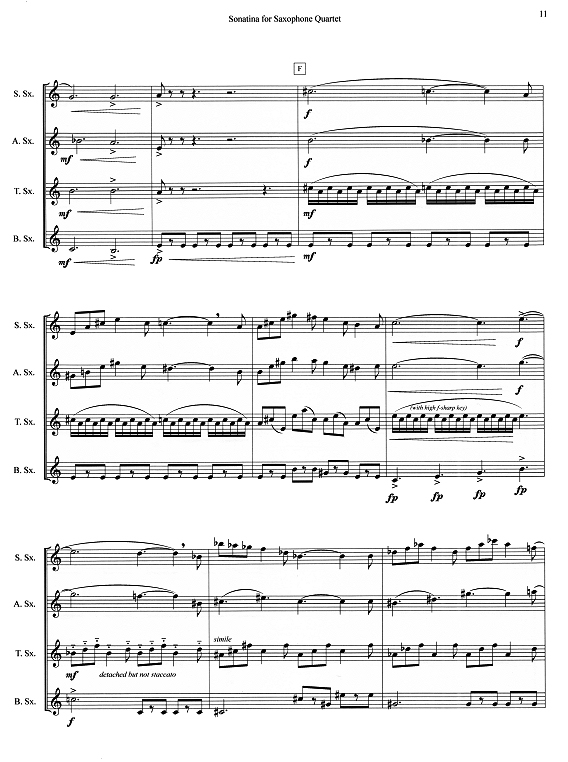
|
S910: Sonatina for Saxophone Quartet (SATB) by Lance Treviño. Alry Publications, 2012, SS, (includes parts and score). Lance Treviño (1989-) is a Texas based composer and pianist. This piece is in three sections: Allegro Animato, Lento and Animato. The duration is 6 minutes. Advanced high school/early college level. You can listen to the beginning here. Click on the cover image to view a page of the score (near the beginning of the last section). |
19.95
|
|
S847: Scherzo from String Quartet No. 1 in D arranged for Saxophone Quartet (AATB) by Peter Ilyich Tschaikowsky (Tchaikovsky) arranged by Al Hager. Kendor Music, 2012, SS, (includes parts and score). The String Quartet No. 1 in D major, Opus 11, was the first of Pyotr Ilyich Tchaikovsky's three string quartets. It was premiered in Moscow in March 1871. The Scherzo is the third of four movements and was in the key of D minor. This arrangement is in concert F minor which puts the E-flat instruments in the original written key. Publisher's (US) grade 4 with a duration of 3:15. Click on the cover image to view the first two pages of the score. |
14.50
|
|
S1188: Selections from the Nutcracker Suite by Peter Ilyich Tschaikowsky (Tchaikovsky) arranged for Saxophone Quartet (AATB) by Andrew Balent. Kendor Music Inc., 2016, includes parts and score. These three favorites (Marche, Waltz of the Flowers, and Trepak) from Peter Ilyich Tschaikowsky’s Nutcracker Suite (Op. 71a) will be a great addition to any program during the holiday season. Duration of about 3:40. Click on the cover image to view the first two pages of the score. |
12.50
|
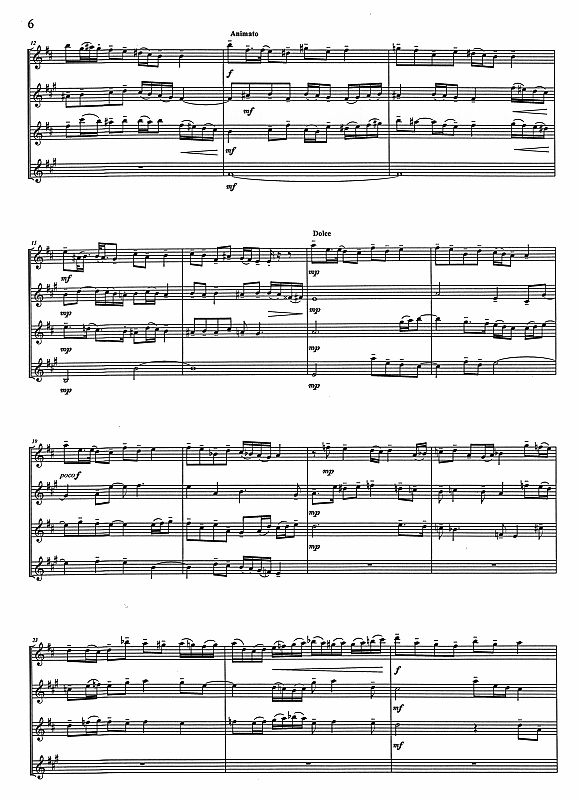
|
S971: Lamente & Dance of the Shepherds for Saxophone Quartet (SATB) by Csaba Tüzkö. EditionDarok, 2007, SS, (includes score and parts). Lament is Molto tranquillo (legato) with a slower Calmato near the end. The soprano saxophone has the melody. In the Dance of the Hungarian Shepherds all of the parts have moving lines. It begins Moderato with Animato marked after 12 bars. Advanced high school/early college level. Click on the cover to view the second page of the score for the Dance. (Except other items with free shipping.) |
22.95
|
|
S851: Tambourine Dance for Saxophone Quartet (SATB) by Joaquin Valverde arranged by Mike Curtis. Advance Music, 2009, SS, (includes score and parts). Joaquín Valverde (1846-1910) was a Spanish composer, conductor and flutist. He composed more than 70 zarzuelas, a popular Spanish form of comic and romantic operetta. Tambourine Dance ("Danza de Crótalos") comes from one of his most successful, "La Tierra de la Alegría" (Land of Joy). Advanced high school level. Click on the cover to view the first page of the score. |
17.95
|
|
S673: Four English Folksongs Saxophone Quartet (SATB) by Ralph Vaughan Williams transcribed by Clark McAlister, Masters Music, 1996, SS, (includes score and parts). The four folksongs are: I. The Dark Eyed Sailor, II. Just as the Tide was Flowing, III. The Lover's Ghost, and IV. The Wassail Song. A very nice arrangement for better high school level quartets and up. |
16.95
|
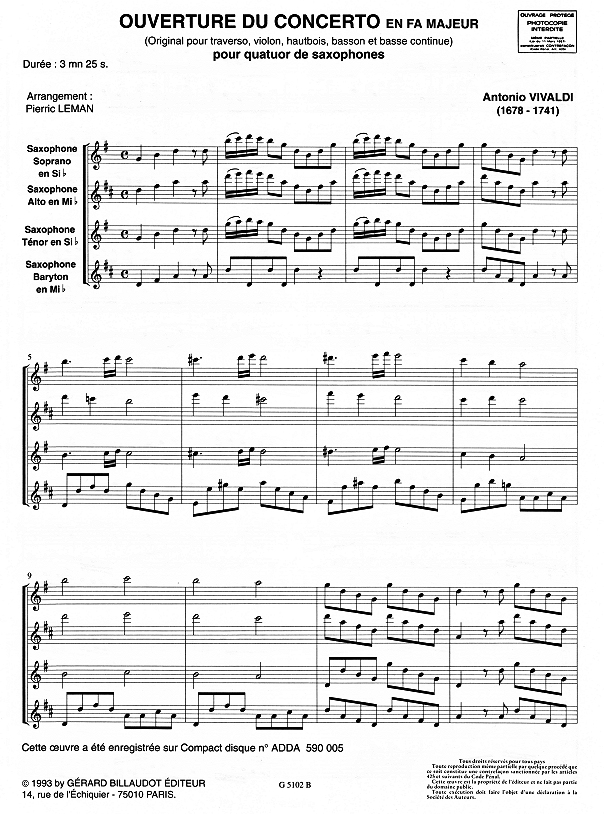
|
S998: Ouverture du Concerto in Fa Majeur by Antonio Vivaldi arranged for Saxophone Quartet (SATB) by Pierric Leman. Billaudot, 1993, SS, includes parts and score. This work was originally for flute, violin, oboe, bassoon and basso continuo. All of the parts are interesting. Advanced high school and up with a duration of 3:25. Click on the cover image to view the first page of the score. |
20.95
|
|
S982: Rondo a la Caccia from Autumn - The Four Seasons by Antonio Vivaldi arranged for Saxophone Quartet (SATB) by Melanie Thorne. Sempre Music, 2012, SS, includes parts and score. This arrangement is based on the third movement of Concerto No. 3 in F major, Op. 8, RV 293, "L'autunno." It is sectional at an Allegro tempo with one section marked swing (but can be played straight if desired.) Advanced high school/early college level. |
23.95
|
|
S939: Dreamers for Saxophone Quartet (SATB) by Ilio Volante. Edition Eufonia, SS, includes parts and score. This is a very nice quartet with a jazz flavor. The tempo is Andante. Advanced high school level quartets and up. Here is a complete performance (somewhat faster than the marked tempo of mm=80). Click on the cover image to view most of the score.
(Except other items with free shipping.) |
23.95
|
|
S496: First Book of Saxophone Quartets (AATB) complied and arranged by Himie Voxman. Southern Music Co. 1986, SS, (includes score and parts). Includes: Felix Mendelssohn Allein Goot in Der Höh'Sie Erh (Chorale) and Character Piece (Longing, Op. 7 No. 6); Michael Praetorius Three Renaissance Dances; Henry Purcell A Purcell Suite; Adam Joseph Emmert Adagio; G.P. Telemann March and La Rejouissance; Oliver Shaw Suite; W.A. Mozart Andante (from Divertimento K. 188), Menuetto (from Divertimento K. 213) and Finale (from Divertimento K. 213); P.I. Tchaikovsky Old French Melody (Op. 39 No. 16); and Ludwig van Beethoven Two Contradances. The publisher rates this as grade 2, but 2 and 3 would be more accurate. |
44.95
|
|
S598: Quartet Repertoire for Saxophone transcribed by Himie Voxman. Rubank, 1964, SS. Especially suitable for younger high school quartets and woodwind method classes. Included are: Andante and Allegro (Bartok), Bourree from the Suite in D (Bach), Choral (Brahms), Contra Dance No. 6 (Beethoven), Chorus of the Villagers from Prince Igor (Borodin) Les Plaisirs (Telemann), May Song Op. 41 No. 5 (Mendelssohn), Minuet (Wihtol), Menuetto & Presto from Divertimento No. 14 K.270, Quartet Movement (Mitushkin), Reflection (Brahms), Rustic Song and Sicilienne from Op. 68 (Schumann), Sinfonia No. 3 (J.C. Bach), and Vignette (Walters) Available as a complete set or individual books. |
Complete Set
27.95
1st Alto
5.95
2nd Alto
4.95
Tenor
5.95
Baritone
5.95
Score
9.95
|
|
S734: There Will Never Be Another You by Harry Warren arranged for Saxophone Quartet (SATB) by Lennie Niehaus. UNC JazzPress, SB. Includes parts (including 3 copies of an optional bass part with chords that can be used for bass, piano, guitar, etc. and a drum part) and score. From the Twentieth Century Fox musical Iceland (1942) starring Sonja Henie. The song was published in 1942, and is one of the most widely known and performed jazz standards. This is one of the famous Lennie Niehaus arrangements for saxophone quartet. This is a new edition first published in late 2011. |
24.95
|
|
S633: Music from the Threepenny Opera arranged for Saxophone Quartet (SATB) by Kurt Weill arranged by John Harle. Universal Edition, 1928/1982, parts only. These pieces from Dreigroschenoper work very well for saxophone quartet. They are: Overture, Tango, Polly's Song, Ballad of the Good Life, Choral, and Ballad of Mac the Knife. Better high school quartets (and up) will be able to play this but knowledge of and a feel for the style of the period is necessary for the performance to be effective. Here is an audio recording. |
26.95
|
|
S904: Two Scorpions in Love for Saxophone Quartet (S/AATB) by Heiner Wiberny. Advance Music, 2012, SS, (includes parts and score). The composer wrote: "I wrote this joyful and swinging jazz waltz for my son Julian and his girlfriend Nina, both born under the sign of Scorpio." This is an up tempo piece (quarter note = 180). There are written out solos with changes for both the soprano (alternate alto) and tenor sax. Click on the cover image to view the first page of the score. |
18.95
|
|
S489: Rudy Wiedoeft Suite arranged for Saxophone Quartet (SATB) by Ted Hegvik. Et Certera Productions, 1995, SS, (includes parts and score). Three of legendary saxophonist Rudy Wiedoeft's original compositions for arranged for saxophone quartet. They are Sexema (1920), Valse Llewellyn (1917), and Saxophobia (1918). We are no longer able to order from this publisher and we have run out of this piece. |
|
|
G299: Carol of the Bells (B-flat edition) for Tenor or Soprano Saxophone, Clarinet or Trumpet Quartet by Peter Wilchousky arranged by Larry Clark. Carl Fischer, 1936/2017, 3 pages (score format). This familiar carol has been arranged for quartet and can be played by any combination of instruments in this series (available in C, B-flat, E-flat, and bass clef). (Except other items with free shipping.) |
3.95
|
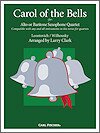
|
G300: Carol of the Bells (E-flat edition) for Alto or Baritone Saxophone Quartet by Peter Wilchousky arranged by Larry Clark. Carl Fischer, 1936/2017, 3 pages (score format). This familiar carol has been arranged for quartet and can be played by any combination of instruments in this series (available in C, B-flat, E-flat, and bass clef). (Except other items with free shipping.) |
3.95
|
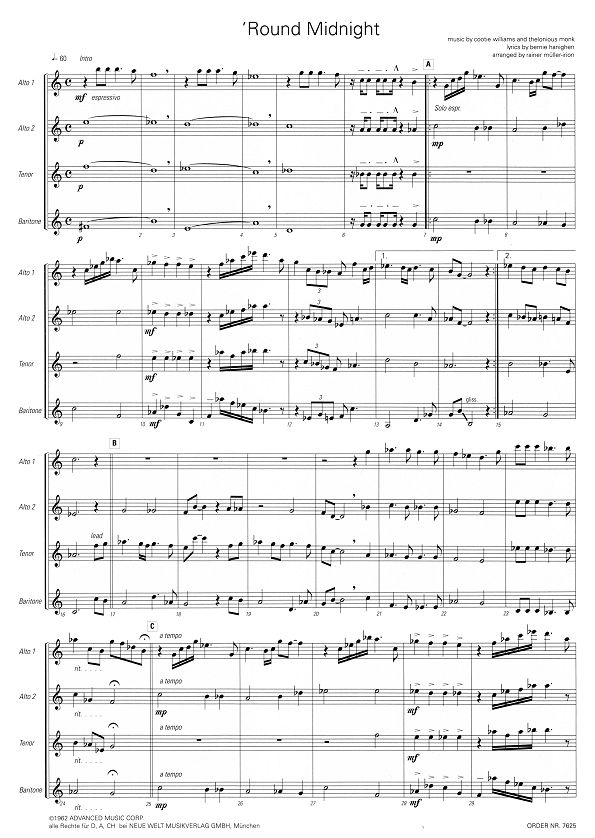
|
S1079: 'Round Midnight for Saxophone Quartet (SATB/AATB) by Cootie Williams and Thelonious Monk arranged by Rainer Müller-Irion. Advance Music, 1962, includes score and parts. 'Round Midnight is a 1944 jazz standard by pianist Thelonious Monk. It is the most recorded jazz standard composed by a jazz musician. It is at a slow tempo (mm=60) and includes the choice of double-time Latin coda and an alternate coda in the style of the previous music. The duration is about 3:30. Here is a video of a professional level group (AATB) with the alternate coda. This recording uses the Latin coda. Click on the cover image to view the first page of the score.
(Except other items with free shipping.) |
19.95
|
|
S495: Ballad and Waltz for Saxophone Quartet (AATB) by Vic Williams. Southern Music Co. 1981, SS, (includes score and parts). The Andante (Ballad) sections are on either side of the Waltz. This is a very nice composition which is excellent material for a young high school quartet and will also be enjoyable for more experienced quartets looking for something that isn't difficult. |
13.95
|
|
WW176: Four Ebony For Clarinet Quartet (doubling saxes) by Jeffery J. Wilson. Camden Music, 1993, SS. For clarinet quartet (3 B-flats and bass) with the doubling as expected with the exception of the third part requiring E-flat clarinet and well as B-flat clarinet and tenor sax. A substantial 16 minute work comprising music of the "dance" from the 16th century to the 1920's. This would require a proficient quartet to perform. |
33.95
|
|
S1123: 3 Blues for Saxophone Quartet (SATB) by Frank Wolf. Advance Music, 20050, SS, includes parts, score and CD. Three pieces at an intermediate level (easier high school). They are Be Straight, So Slow and Shuffle Blues for You. All parts have solos (written out but with chords) at least once in the three pieces. The CD is unusual because it has versions without each of the parts (as well as a complete version for all pieces) so that each player can practice with the CD. You can see sample pages and listen to a short excerpt here on the publisher's website. |
27.95
|
|
S652: Saxophone Quartet (SATB) by Gregory W. Yasinitsky. Advance Music, 2010, SS, includes parts and score. This piece was composed for the Montana Saxophone Festival and is dedicated to the festival's director, saxophonist Brooke Ferris; it was premiered there in 1997. The first movement, Calliope, juxtaposes mechanized rhythmic patterns against legato, lyric melodies. The second movement, Chorale, explores homophonic textures by alternating between lyric and contrapuntal passages. The last movement is a Fugue. Early college level with a total duration of about 8 minutes. |
18.95
|
|
S1180: Gospel Medley arranged by Keith Young for Saxophone Quartet (SATB or AATB). Kendor Music Inc., 2016. Includes three recognizable standards - Swing Low, Sweet Chariot and Amazing Grace in a slow, gospel feel; followed by a rousing Dixie version of When The Saints Go Marching In. This arrangement can be performed with all three or just with the first two slow pieces. Written for two altos, tenor and baritone saxophones, a soprano saxophone versions of the 1st part is included. The publisher rates this as (US) grade 5 but that may be over grading. Duration is about 5:00. Click on the cover image to view sample pages from the score. |
13.50
|
|
S1255: Reel Hip arranged by Keith Young for Saxophone Quartet (SATB or AATB). Kendor Music Inc., 2017, includes parts and score. This grade 5 quartet combines the driving Irish reel Temple Hill and traditional folk tune Kingsfold Tune, and is an upbeat arrangement that goes back and forth between classical and funk styles. The duration is 3:30. Click on the cover image to view the first two pages of the score. |
13.95
|
|
S1271: Two English Folk Songs (Scarborough Fair and Greensleeves) arranged by Keith Young for Saxophone Quartet (SATB or AATB). Kendor Music Inc., 2017, includes parts and score. The publisher has rated this as (US) grade 4. While it is on the easier side of this grade, there are some rhythmic challenges. High school level with a duration of 4:25. Click on the cover image to view the first two pages of the score. |
13.95
|
|
S1189: We Wish You a Merry Christmas arranged by Keith Young for Saxophone Quartet (AATB). Kendor Music Inc., 2016, includes parts and score. This (US) grade 4+ arrangement for AATB saxophone quartets is a great holiday concert closer! It travels through several fun style changes including Baroque, swing and Latin and will be a favorite for players and audiences alike. Duration 1:45. Click on the cover image to view sample pages from the score. |
11.50
|
|
S526: Stella by Starlight by Victor Young arranged for Saxophone Quartet (SATB or AATB) by Lennie Niehaus. Kendor Music Inc., 2002. A jazz standard from the 1944 film The Uninvited arranged for saxophone quartet. Moderate Swing tempo (mm=160). Publisher's (US) grade 3+. |
14.95
|

|
S903: Pequeña Suite para Cuatro for Saxophone Quartet (SATB) by Javier Zalba. Advance Music, 2012, SS, includes parts and score. This piece was composed for, and dedicated to, the saxophone quartet Arsis in the Cuban city of Pinar del Rio. The first movement Tuning (Moderato) features a melody written in B minor which has 3 saxes in unison against either the tenor or bari playing a concert A. In Dentro de un Círculo (Within a Circle, Allegro) the main melody and variations use jazz phrases with the four instruments taking turns in assuming the main as well as the supporting voices. The third movement called Relax (Larghetto) is based on a ballad-like melody where the soprano and the baritone saxophones have a pleasant conversation. The fourth and final movement, Montando en un Carrusel (Riding on the Merry-Go-Round, Allegro), goes on a joyful melodic ride passing through all the saxophones one after the other. Click on the cover to view the final page of the score. |
21.95
|
|
S870: Rastro y Belascoain for Saxophone Quartet (AATB) by Javier Zalba. Advance Music, 2012, SS, includes parts and score. Dedicated to the Havana Conservatory of Music, this jazz-flavored composition reflects an ordinary day filled with everyday activities. An improvised solo chorus for alto(s) and/or tenor can be repeated as desired, and spirited bebop phrases will require special attention. Click on the cover to view the first page of the score. |
19.95
|
|
S871: Recuerdo de una Jornada for Saxophone Quartet (SATB) and optional Drum Set by Javier Zalba. Advance Music, 2012, SS, includes parts and score. Composed for and dedicated to Cuban saxophonist Jorge Luis Almeida and the Habana Sax quartet, this challenging work celebrates and features the various styles and intricacies of Cuban music. Syncopation's, off-beat accents, and multi-layer rhythm patterns will demand careful attention and execution. College level with key signatures of up to 6 sharps and 5 flats depending on the part. Click on the cover to view the first page of the score. |
21.95
|
Bindings: HB: Hard Bound, PB: Perfect Bound (paperback with square spine), SS: Saddle Stitch (paper, folded and stapled), SB: Spiral Bound (plastic or metal)